

Updated on July 8, 2026
Seeing a father, mother, or loved one age alone at home often raises the same questions: How do I know if they are okay? How can I prevent accidents? How do I respect their autonomy without ignoring the risks?
For caregivers, the balance is delicate. Intervening too much can feel infantilizing. Doing nothing can lead to constant worry. The goal is not to control everything but to create a safer, more predictable, and reassuring environment for everyone.
Protecting an elderly parent living alone doesn’t necessarily mean installing complex devices. It’s often a combination of simple actions: adapting the home, organizing emergency contacts, securing outings, maintaining social connections, and planning a discreet safety net when outings become a source of concern.
Why Does the Safety of an Elderly Parent Become a Daily Concern? #
An elderly parent can remain autonomous for a long time while gradually becoming more vulnerable. Changes are not always sudden. They often appear in small ways: a forgetfulness, a minor fall, a trip taking longer than usual, a phone left off, an outing they don’t quite remember.
These signals don’t necessarily mean their freedom should be limited. But they invite us to set up markers to prevent a small incident from becoming an emergency.

The Small Signs That Can Alert Loved Ones #
Certain changes should draw attention, especially if they repeat:
- more frequent forgetfulness;
- difficulty finding a usual path;
- confusion about times or places;
- phone often uncharged or forgotten;
- recent fall, even without serious injury;
- unusual anxiety during outings;
- progressive isolation;
- difficulty explaining where they are;
- unexplained delays on known routes.
Taken separately, these signs may seem trivial. But when they accumulate, they can justify a more secure organization around daily life.
The Risk of Isolation #
Staying at home is often the wish of the elderly parent and their family. But living alone can also reinforce isolation, especially when outings become rarer or more difficult.
Isolation is not only social. It can also be practical: no one immediately notices a fall, disorientation, prolonged absence, or difficulty returning home.
That’s why the safety of an elderly parent is not limited to the home. It also concerns trips, routines, relay people, and the ability to intervene quickly if something unusual happens.
Securing the Home Without Turning It Into a Medical Facility #
The first step is to make the home safer without giving it an anxiety-inducing or hospital-like appearance. The goal is to reduce risks while preserving comfort and habits.
Adapting Risk Areas #
Some rooms concentrate more risks, notably the bathroom, kitchen, stairs, and hallways.
A few simple adjustments can make a real difference:
- remove slippery rugs;
- improve lighting in passage areas;
- install nightlights;
- clear floor cables;
- add grab bars in the bathroom;
- use a non-slip mat in the shower;
- keep everyday objects at accessible height;
- avoid unstable or overly bulky furniture.
The idea is not to change everything at once but to eliminate the most obvious traps.
Making Important Information Easy to Find #
In an emergency, loved ones or rescuers must be able to quickly access essential information.
You can prepare a simple sheet, placed in a visible location, with:
- emergency contacts;
- primary care physician;
- current treatments;
- known allergies;
- people to notify;
- important habits;
- full home address.
This sheet can also be shared with regularly involved loved ones.
Organizing Relay Contacts #
An elderly parent living alone should not depend on just one person. If possible, identify several relay contacts:
- a child;
- a trusted neighbor;
- a close friend;
- a home aide;
- a healthcare professional;
- a nearby family member.
The goal is not to leave all the mental burden on one caregiver. A shared organization allows for quicker reactions and limits exhaustion.
Caregiver Tip
Start with the simplest risks to correct: lighting, rugs, charged phone, visible emergency contacts. These small adjustments often make daily life safer without disrupting habits.
Preserving Outings and Daily Habits #
When a parent ages, the reflex may be to reduce outings “to avoid risks.” Yet, walks, shopping, visits, and activities are often essential to their balance.
Protecting doesn’t mean preventing. In many situations, it’s better to secure trips than to eliminate them.
Why Not to Forbid Everything #
Forbidding outings can have several negative effects:
- loss of confidence;
- feeling of being watched;
- isolation;
- decreased physical activity;
- tensions with loved ones;
- feeling of losing autonomy.
An elderly parent may more easily accept a safety measure if presented as a way to continue living normally, not as a restriction.
Maintaining Useful Routines #
Routines are reassuring. They help structure days and more easily spot unusual situations.
Some examples:
- regular time for a walk;
- call or message at a specific time;
- neighbor’s visit on certain days;
- weekly family visit;
- usual route for shopping;
- centralized medical appointments in a shared calendar.
The clearer the routines, the easier it is to detect a concerning change.
Securing Trips Without Controlling Them #
For daily trips, you can implement simple measures:
- ensure the phone is charged;
- save emergency contacts;
- note important addresses;
- provide a card or paper with the home address;
- identify the safest routes;
- avoid outings at certain hours if riskier;
- agree on a simple message upon return.
If outings start to generate stronger concern, a discreet location tool can also help preserve this freedom.
Your loved one continues to go out alone, but you'd like reassurance in case of an unforeseen event?
A discreet GPS tracker can serve as a safety net, without changing their habits or calling them constantly.
Read the Senior GPS Tracker GuideWhat to Do in Case of Memory Loss or Disorientation? #
Memory issues don’t always manifest obviously. A person may still communicate well, recognize loved ones, maintain certain habits, but get lost more easily in a familiar environment.
In this case, the priority is to anticipate risky situations.
Understanding Wandering #
Wandering can affect people with cognitive disorders, especially in the context of Alzheimer’s disease or related illnesses. It doesn’t necessarily mean the person “leaves for no reason.” They may be looking for a place, a person, an old habit, or simply walking without finding their way back.
A disoriented person may:
- leave home without warning;
- not find their building;
- confuse two streets;
- walk for a long time without asking for help;
- not know how to explain where they are;
- forget their phone;
- not answer calls.
These situations are particularly distressing for loved ones, as they can occur quickly.
Identifying Risky Places and Times #
Try to identify situations where disorientation is more likely:
- end of the day;
- fatigue;
- change of environment;
- unusual outing;
- period of stress;
- return from hospitalization;
- move or temporary stay;
- unaccompanied trip;
- very crowded place.
This observation allows for adapting routines and avoiding overly difficult situations.
Setting Up Safety Zones #
Safety zones allow defining useful perimeters: home, residence, neighborhood, a relative’s house, walking area.
When a loved one has orientation issues, these zones can help react faster in case of an unusual outing.
They don’t replace human vigilance, but they prevent discovering too late that someone has left without warning.
Useful Tools to Reassure Caregivers #
There is no single solution to protect an elderly parent. Most often, the right answer combines several simple tools.
The Simplified Phone #
A phone with large buttons, favorite contacts, and decent battery life can be useful if the person can still use it easily.
It can allow:
- quickly calling a loved one;
- receiving calls;
- maintaining a daily connection;
- being reachable during outings.
But it has a significant limitation: it must be charged, turned on, and taken along.
Teleassistance #
Teleassistance can be relevant at home, especially in case of a fall or malaise. It often relies on a pendant or call button.
It’s useful when the person can press the button if needed. But it may be less suitable in case of disorientation, forgetfulness, or outdoor outings.
Network of Relatives and Neighbors #
Human support remains essential. A neighbor noticing an unusual absence, a loved one visiting regularly, or a professional caregiver can play a key role.
The ideal is to create a simple organization:
- who calls?
- who visits?
- who has the keys?
- who is notified first?
- who can quickly move?
- what to do if the person doesn’t respond?
This organization avoids hesitation when a situation becomes urgent.
The Discreet GPS Tracker #
The GPS tracker can complement these devices when outings become a source of concern.
It is particularly useful if:
- the parent goes out alone;
- they forget their phone;
- they’ve had a disorientation episode;
- they live alone;
- they refuse too visible devices;
- caregivers want to avoid repeated calls;
- the family wants to preserve safe walks.
The GPS tracker should not be thought of as a permanent surveillance tool. Its role is rather to offer a backup solution when a trip becomes unusual.
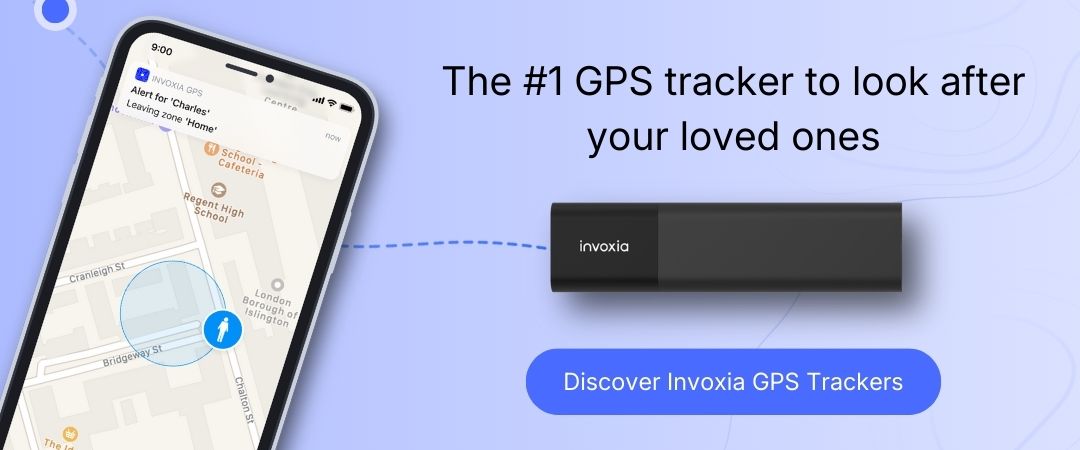
The Role of the GPS Tracker: Securing Without Monitoring #
A GPS tracker for seniors is not meant to control every movement of an elderly parent. It serves to maintain a margin of freedom when certain outings start to worry loved ones.
Used well, it can even avoid stronger restrictions. Instead of forbidding walks, a discreet safety net is set up.
When Does a GPS Tracker Become Relevant? #
A GPS tracker can be considered when:
- the elderly parent sometimes gets lost;
- they forget their phone;
- they regularly go out alone;
- they live at home despite a loss of autonomy;
- the family is increasingly worried;
- repeated calls become intrusive;
- usual trips sometimes take longer;
- an exit zone alert would be useful.
The GPS tracker is especially interesting when it integrates into an existing routine: bag, pocket, keychain, coat.
Why Autonomy Is Important #
For senior use, battery autonomy is a central criterion. A device that needs frequent recharging risks being forgotten or uncharged precisely when needed.
An autonomy of several weeks to several months reduces mental load. Recharging can be managed by a loved one during a regular visit.
Why Discretion Favors Acceptance #
A visible, medical, or stigmatizing device can be poorly received. Some seniors refuse GPS watches or bracelets because they feel watched or weakened.
A discreet tracker, slipped into an everyday object, may be better accepted. It doesn’t change appearance, requires no handling, and doesn’t alter habits.
How to Talk About Safety with an Elderly Parent Without Alienating Them? #
The topic can be sensitive. Many elderly parents fear losing their freedom, being watched, or becoming a burden to their loved ones. The way the discussion is approached matters as much as the solution proposed.
Avoiding Anxious Discourse #
Phrases like “you’re no longer capable,” “we can’t let you go out alone anymore,” or “we want to know where you are” risk immediate rejection.
It’s better to start with a positive goal:
- continue going out;
- reassure everyone;
- avoid repeated calls;
- keep habits;
- be able to react quickly in case of a problem.
Presenting Tools as an Aid to Autonomy #
A safety device is more easily accepted if presented as a way to preserve freedom.
For example:
“It’s not to watch you. It’s so you can continue going out peacefully, and we know what to do if you ever need help.”
The important message is simple: the tool protects autonomy, it doesn’t replace it.
Defining Usage Rules Together #
When possible, it’s preferable to set clear guidelines:
- who receives alerts;
- in what cases location is checked;
- where the device is placed;
- who manages recharging;
- what to do in case of unusual outing;
- how to respect privacy.
This discussion avoids the impression of continuous surveillance.
Example of a Simple Organization for an Elderly Parent Living Alone #
Here is a possible organization, to be adapted according to the situation.
Every Day #
- A call or short message at a usual time.
- The phone remains charged and accessible.
- Keys, papers, and useful contacts remain in the same place.
Every Week #
- A visit from a loved one or caregiver.
- Check medications, refrigerator, and mail.
- Check the battery of useful devices.
- Update appointments if necessary.
In Case of Concern #
- Call once.
- Contact a neighbor or relay loved one.
- Check usual places.
- Consult location if a GPS tracker is used.
- Alert emergency services if the situation warrants.
This organization avoids improvisation and distributes responsibilities.
When to Strengthen Security? #
It’s not always easy to know when to implement new measures. Some signals may indicate it’s time to act:
- a first episode of disorientation;
- a recent fall;
- more frequent forgetfulness;
- a phone often off;
- difficulty managing trips;
- concern expressed by the parent themselves;
- neighbors or loved ones noticing a change;
- loss of bearings in known places.
It’s not about waiting for a serious incident. It’s better to implement simple solutions in advance, while they can be discussed calmly.
In Summary: Protecting Without Restricting #
Protecting an elderly parent living alone is not about constantly watching them. It’s about creating a safer environment while respecting their habits, dignity, and need for autonomy.
The most useful measures are often the simplest:
- secure risk areas in the home;
- organize emergency contacts;
- maintain routines;
- preserve outings;
- involve several loved ones;
- use suitable tools without imposing them;
- plan a location solution if trips become a source of concern.
A GPS tracker can have its place in this organization, provided it is used with respect. It should not replace trust. It should allow for living more freely, with a safety net in case of an unforeseen event.
FAQ — Protecting an Elderly Parent Living Alone #
How to protect an elderly parent living alone? #
To protect an elderly parent living alone, start by securing their home, organizing emergency contacts, maintaining regular contact, and identifying relay people. If outings become a source of concern, a simplified phone, teleassistance, or a discreet GPS tracker can complement this organization.
How to secure the home of an elderly person? #
First, reduce the most common risks: slippery rugs, poor lighting, floor cables, difficult access to everyday objects, non-adapted bathroom. Grab bars, nightlights, clear storage, and a visible emergency sheet can improve safety without turning the home into a medical space.
How to reassure an elderly loved one without monitoring them? #
The most important thing is to prioritize dialogue. Explain that the proposed measures are meant to preserve their autonomy, not control their life. Set clear rules: when to call, who to notify, in what cases to check location or contact a neighbor.
What tools to use to watch over an elderly person remotely? #
Several tools can help: simplified phone, teleassistance, shared calendar, favorite contacts, relay neighbors, emergency sheet, and discreet GPS tracker. The choice depends on the level of autonomy, outing habits, and the person’s acceptance.
When to consider a GPS tracker for a senior? #
A GPS tracker can be considered if the elderly person goes out alone, forgets their phone, has already been disoriented, or regularly worries their loved ones during outings. It is especially useful when it allows preserving outings rather than forbidding them.
How to talk about a GPS tracker to a parent? #
It’s better to present the GPS tracker as a safety net, not a surveillance tool. The most accurate argument is often: “it’s so you can continue going out freely, and we can help you quickly if you ever need it.”
What to do if an elderly parent starts getting lost? #
If an elderly parent starts getting lost, talk to them if possible, consult their primary care physician, inform involved loved ones, and set up more secure routines. Safety zones, relay contacts, and a GPS tracker can help react faster in case of a new episode.
How to preserve the autonomy of a frail elderly person? #
Preserving autonomy involves adapting the environment rather than forbidding everything. Maintain useful habits, encourage secure outings, simplify daily tasks, and set up discreet aids when certain risks appear.
Can an elderly person live alone safely? #
Yes, an elderly person can live alone safely if their home is adapted, risks are anticipated, and a network of loved ones or professionals can intervene if needed. Safety relies mainly on organization, prevention, and respecting their pace of life.
What is the difference between teleassistance and a GPS tracker? #
Teleassistance generally allows calling for help from home or via an emergency button. The GPS tracker allows locating a person during outings. Both solutions can be complementary depending on the situation.