

Café terrace, public transport, parking lot… Certain places consistently appear in daily theft reports. Not by chance, but because they combine ideal conditions: distraction, proximity, and quick escape.
Understanding where thefts occur and in what situations they happen can significantly reduce the risks.
Everyday Thefts, Far from Uncommon #
Every year, property crimes represent a major part of delinquency in France. They notably include pickpocketing, vehicle thefts, and thefts from cars.
These data are supplemented by victimization surveys, which show that many thefts occur in very ordinary everyday situations — often without violence, but with great efficiency.
1. Theft on the Terrace: The Trap of “Off” Moments #
It only takes a few seconds. You place your phone on the table. Your bag remains hooked to the chair. An innocuous interaction diverts your attention — and the item disappears.
Terraces combine several risk factors:
- open environment
- high pedestrian traffic
- relaxed vigilance
According to the Police Prefecture, tourist areas and dining places are among the environments most exposed to pickpocketing.
Beyond theft on the terraces themselves, many thefts occur when you are there… and your means of transport is not. This is why bicycles are always among the most stolen items daily, with nearly half a million thefts each year in France alone - and 3 million across Europe.

How to Reduce Risks: #
- avoid placing your phone on the table
- secure your bag (table leg, shoulder strap)
- stay alert to unusual interactions
2. Theft in Transport: The Mechanics of the Crowd #
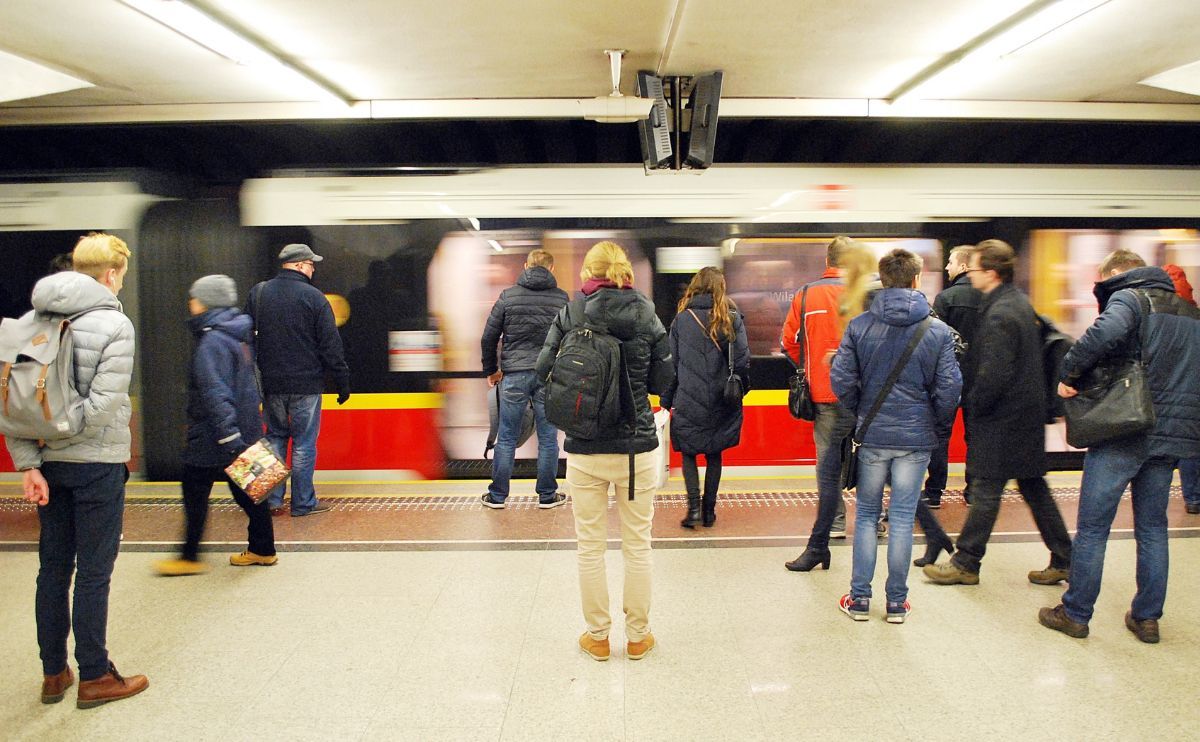
Public transport is one of the places most conducive to opportunistic thefts. And the reasons are quite simple: there is a high physical proximity imposed, especially during rush hour, crowd movements, and attention divided by the number of people present - and by our smartphones.
Pickpockets exploit very specific moments:
- boarding or alighting from a train
- jostling
- checking the phone
How to Reduce Risks: #
- wear your bag in front of you
- avoid back pockets
- stay vigilant during crowd flows
3. Theft in Parking Lots: The Moment of Maximum Vulnerability #
Theft does not occur when you are stationary. It occurs when you are busy.
Classic example:
- you load your trunk
- you search for your keys
- your hands are full
For instance, thefts from vehicles — known as “thefts from cars” — are among the most frequent property crimes in France. According to the latest INSEE data in 2019, nearly 5% of French households have been affected.
Risk Factors: #
- low lighting
- visible objects in the vehicle
- lack of surveillance
How to Reduce Risks: #
- leave nothing visible
- anticipate vehicle opening
- favor well-lit areas
The Moments When Thefts Most Often Occur #
Beyond places, certain moments consistently recur:
- rush hours
- early evenings
- tourist weekends
- transition moments (arrival, departure, loading)
These situations have one thing in common: reduced attention.
Researchers talk about “ routine activity theory”. This theory indicates that crimes, and notably thefts, occur when three elements are combined:
- an accessible target
- a motivated thief
- lack of vigilance - which is one of the most fatal mistakes in the face of theft
Can We Really Avoid Theft? #
Not completely. But we can:
- drastically reduce the risks
- and especially increase the chances of recovery
Today, more and more stolen items are recovered thanks to geolocation. Experience feedback shows that:
- thefts are often quick
- but items remain locatable for several hours, even days
This is where the logic changes.
Anticipate Rather Than Suffer #
A discreet GPS tracker can already alert you to any movement of your property, especially if you avoid these 12 mistakes.
If you didn’t get the chance to scare thieves away before they left with your property, the GPS tracker can still help you:
- locate an item after a theft
- share its position with law enforcement
- speed up recovery
Without changing your habits, it simply fits:
- in a bag
- under a saddle
- in a suitcase
- inside a vehicle
❓ FAQ – Everyday Thefts: Where and How Do They Happen Most Often? #
Where Do Thefts Occur Most Often in Everyday Life? #
Thefts mainly occur in public and frequented spaces: café terraces, public transport, parking lots, or shopping areas. These environments facilitate discreet approach and quick escape, making them prime targets for opportunistic thefts.
Why Do Thefts Often Happen on Terraces? #
Theft on terraces is frequent because attention is relaxed there. Phone placed on the table, bag hooked to a chair, interactions with strangers: these elements create ideal opportunities for thieves.
What Are the Most Stolen Items in Transport? #
In public transport, the most targeted items are:
- smartphones
- wallets
- backpacks and handbags
These items are often quickly accessible in moments of crowding or jostling.
Why Are There So Many Thefts in the Subway and RER? #
Transport concentrates several risk factors:
- high density of people
- physical proximity
- divided attention
Pickpockets exploit these conditions to act quickly without being detected.
What Is a “Theft from Car”? #
“Theft from car” refers to the theft of items inside a vehicle, usually without violence. It often occurs in parking lots, when items are visible from the outside or during a moment of inattention by the owner.
What Are the Most Risky Places for Car or Item Theft? #
The most risky places are:
- shopping center parking lots
- underground parking lots
- poorly lit areas
- tourist spots
These spaces combine accessibility, discretion, and low surveillance.
When Are Thefts Most Frequent? #
Thefts most often occur:
- during rush hours (transport)
- early in the evening
- on weekends in tourist areas
- during transition moments (arrival, departure, loading)
These periods correspond to times when attention is reduced.
How to Avoid Getting Robbed in a Public Place? #
To reduce risks:
- keep valuables out of sight
- wear your bag in front of you in transport
- avoid placing phone or wallet in plain view
- stay alert to unusual interactions
Vigilance remains the primary protection factor.
Can a Stolen Item Be Recovered? #
Yes, in some cases. If the item is locatable (via a GPS tracker, for example), it is possible to track its position and facilitate its identification by law enforcement.
Why Use a GPS Tracker Against Theft? #
A GPS tracker allows you to:
- locate an item after a theft
- track its movements
- increase the chances of recovery
It is particularly useful for mobile items like bicycles, vehicles, bags, or suitcases.
Where to Hide a GPS Tracker for It to Be Effective? #
A GPS tracker should be discreet and difficult to access. It can be placed:
- in the lining of a bag
- under a bicycle or scooter saddle
- in a vehicle
- in a suitcase
The goal is for it to remain invisible while being functional.
Key Takeaways on Everyday Thefts #
- Thefts occur in predictable situations
- The most risky places are public and frequented
- The key factor remains distraction
- Anticipation is today the best protection