

Article updated on August 25, 2025.
Choosing a GPS tracker can quickly feel like a maze: obscure acronyms (LTE-M, LoRa, UWB…), promises of “unlimited” autonomy, very different needs (securing a bicycle, reassuring a vulnerable parent, tracking a runaway dog, or managing a fleet of professional equipment). This guide has a simple goal: to help you decide quickly, without making mistakes, and become your hub page to which more specialized articles will refer.
Why (and for whom) is a GPS tracker essential? #
Three main intentions motivate the purchase of a GPS tracker:
- Secure: react quickly in case of theft (bicycle, motorcycle, scooter, luggage, professional equipment).
- Reassure / protect: locate a vulnerable loved one or an animal to intervene in case of danger (runaway, fall, disorientation).
- Optimize / manage: track equipment or vehicles to improve logistics, maintenance, billing.
Each intention involves a specific level of precision, autonomy, reactivity, and connectivity. Therefore, there is no “one” universal tracker, but the right tracker for your use.
The main families of technologies: GPS + network, LoRa, Bluetooth, UWB #
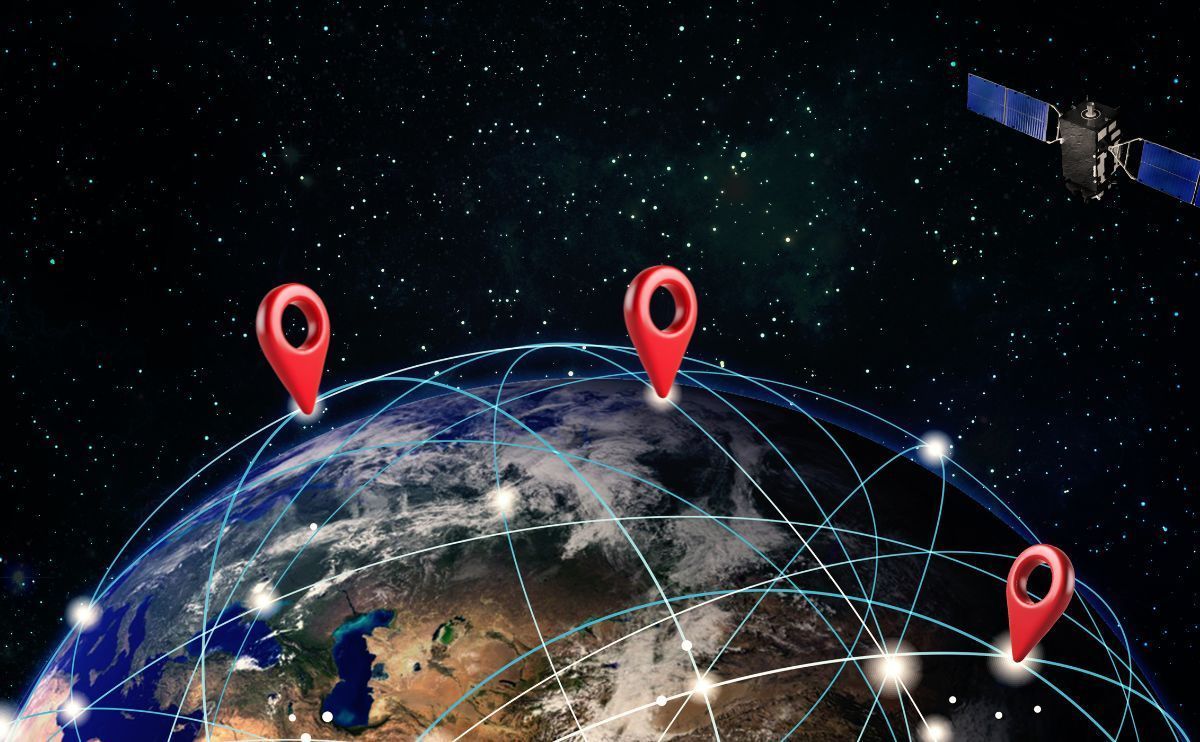
A “GPS” tracker does two things: capture its position (via GPS/GNSS) and transmit the information. It is this transmission that differentiates the technologies.
LTE-M / NB-IoT (4G IoT): balanced coverage & autonomy #
Operates on cellular networks dedicated to IoT (low consumption, better indoor penetration than classic 4G).
Advantages: international coverage, low latency, decent autonomy.
Limitations: subscription (low), dependency on operators.
LoRa / Sigfox: very low consumption, proprietary network #
LPWAN (Low Power Wide Area Network) protocols: short messages, ultra-low energy.
Advantages: record autonomy (months/years), very low transmission costs.
Limitations: limited bandwidth, less fine real-time, uneven coverage depending on areas.
Bluetooth / BLE: ultra-low consumption, limited range #
Proximity localization via smartphones/beacons (a few dozen feet).
Advantages: low cost and consumption, minimal size.
Limitations: no long-distance autonomous tracking, depends on a “network” of users (e.g., AirTag via iPhones).
UWB: ultra-precision at short distance #
Ultra-wideband radio, precision of 4–12 inches indoors/near outdoors.
Advantages: perfect for finding an object in a room.
Limitations: short range, requires compatible equipment (UWB smartphone), complementary use.
9 key criteria for choosing your GPS tracker #
- Coverage & precision: international, indoor/outdoor, real-time or delayed.
- Autonomy & smart modes: duration between charges, advanced features (motion detection, geofencing).
- Size / discretion / robustness: crucial for bicycles, motorcycles, animals…
- Waterproofing & resistance: IP65/67, shocks, dust.
- Smart alerts: suspicious movement, zone exit, fall, low battery.
- History & reports: number of stored positions, CSV/API export for professionals.
- Total cost of ownership: purchase + subscription + accessories (collars, mounts, cables).
- Ease of installation: plug & play, invisible mounting, possible battery connection.
- Ecosystem & support: application, secure sharing, quality of customer service, firmware updates.
Synthetic comparison of technologies #
| Technology | Range / Coverage | Precision | Typical Autonomy | Recurring Cost | Latency | Ideal for | Limitations |
|---|---|---|---|---|---|---|---|
| LTE-M / NB-IoT | Country / international (mobile operators) | 16–65 feet (GPS) | Weeks to months | about €10/month | Low | Bicycle, motorcycle, mobile objects, professional use | Operator network dependency |
| LoRa / Sigfox | Variable depending on covered areas | 33–164 feet (GPS) | Months to years | < €5/month | Average | Static or low-mobility objects | Limited bandwidth, no fine “real-time” |
| Bluetooth / BLE | 33–328 feet (smartphone relays) | 3–16 feet | Months to years | None | Variable | Personal indoor objects, keys, small objects | No long autonomous range |
| UWB | 3–98 feet | < 12 inches | Hours to days | None | Very low | Precisely finding an object (indoor) | UWB compatibility required, very short range |
Which tracker for my need? (mini-guides by use) #
Before comparing for hours, start from your reality: what you want to protect, the frequency of use, the level of urgency when a problem occurs. Here is a quick guide by case.
Vehicles: long distance & vibrations #
- Priority: robustness and GPS tracking on varied routes.
- Technology: LTE-M + high-sensitivity GPS.
- Don’t forget: minimum IP67, possibility to connect to the battery with an adapter.
- Read next: Motorcycle anti-theft: better equip yourself to better protect your two-wheeler
Bicycle / E-bike: securing a prized possession for thieves #
- Priority: motion alert + reliable location in the city.
- Target technology: Low consumption networks (good coverage/autonomy compromise).
- Check: discretion (saddle/frame integration), autonomy ≥ 1 month, silent alerts.
- Read next: Bicycle anti-theft: we help you choose the best model for your use!
Vulnerable loved one (child, senior, Alzheimer) #
- Priority: reassure and intervene quickly.
- Technology: LTE-M + Wi-Fi for indoor, SOS button, multi-caregiver sharing.
- Focus: comfort (light, discreet), autonomy 3–7 days, safe zones.
- Read next: GPS tracker for elderly: The importance of tracking for the safety of your loved ones
Animal (dog, cat) #
- Priority: runaway alert & quick retrieval, even in the woods.
- Technology: LTE-M (outdoor) + Bluetooth/UWB for the “last meter” at home.
- Attention: IP67 waterproofing, comfortable and secure collar.
- Read next: AirTag for dog vs Minitailz Biotracker GPS: the ultimate comparison of dog trackers
Professional equipment / fleet #
- Priority: global visibility, reporting & maintenance.
- Technology: LTE-M if high mobility and frequency; LoRa if occasional sending and extreme autonomy.
- Checklist: web/API dashboard, multi-tracker management, construction site zone alerts, exports.
- Read next: GPS tracker for professionals: protect your equipment with Invoxia
Why choose an Invoxia GPS tracker? #
Protect, reassure, optimize… In ten years, Invoxia has established itself as a reference player in smart localization in Europe. The trackers combine cutting-edge technologies (LTE-M/LoRa/SigFox, Wi-Fi, Bluetooth), intelligent algorithms, and a simple application, so you only have one thing to do: act at the right time.
5 key strengths of Invoxia trackers:
- Extended coverage & precision: LTE-M multi-operator for the GPS Tracker Pro and the Minitailz Biotracker GPS, LoRa/SigFox for other models, GPS/Wi-Fi/Bluetooth.
- Optimized autonomy: from several weeks to several months thanks to smart modes (motion detection, standby, artificial intelligence).
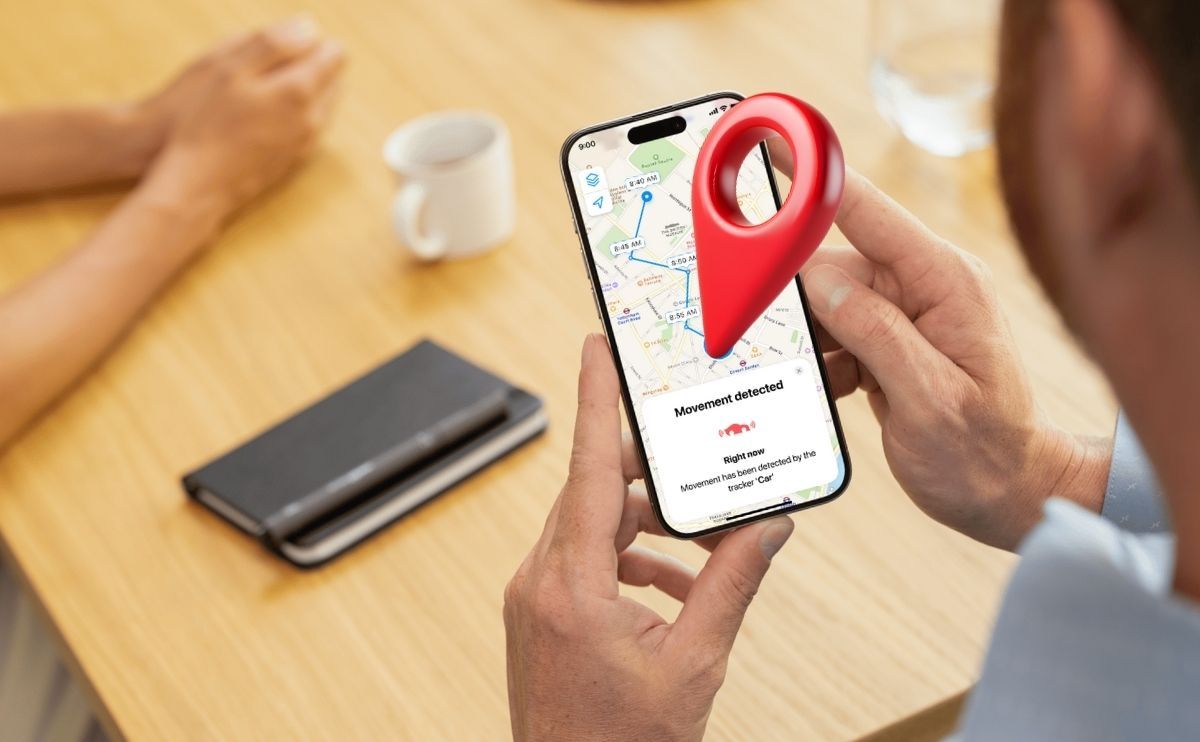
- Customizable alerts: safe zones, suspicious movement, low battery, movements.
- Intuitive mobile web application: detailed history, support based in France.
- Discreet & robust design: IP67, compact formats.
Which Invoxia model for your use? #
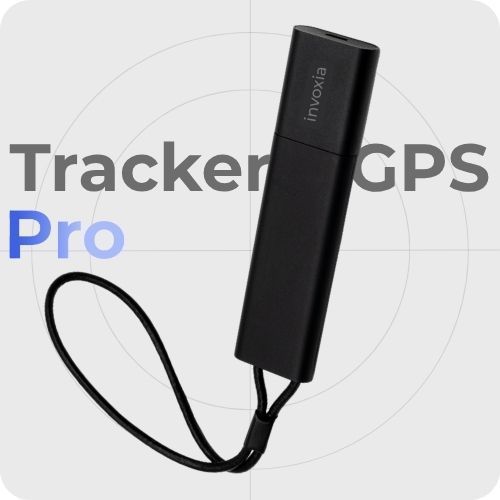
The GPS Tracker Pro for your international trips
- LTE-M + Bluetooth for connectivity in over 40 countries.
- Autonomy: up to 3 months.
- Strengths: almost instant motion alert, reliable urban location and effective in low coverage areas, Theft Report.
The GPS Tracker Classic for your daily protection
- LoRa/SigFox + Bluetooth and motion sensors.
- Autonomy: up to 6 months.
- Strengths: versatility (luggage, professional equipment), history, record autonomy, Theft Report.
The Bike Tracker for your bicycle
- LoRa/SigFox + Bluetooth and motion sensors, discreet integration in an included reflector.
- Autonomy: up to 3 months depending on your use.
- Strengths: almost instant motion alert, reliable urban location, invisible design, Theft Report.
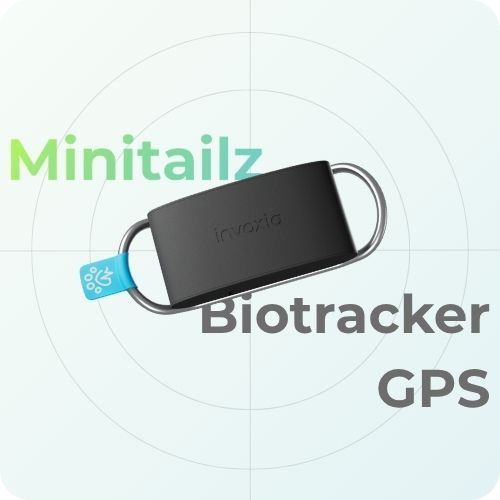
The Minitailz Biotracker GPS for your dog
- LTE-M + Bluetooth to refine the search nearby.
- Autonomy: up to 2 weeks.
- Strengths: ultra-advanced health and activity tracking, anti-runaway alert, IP67 waterproofing.
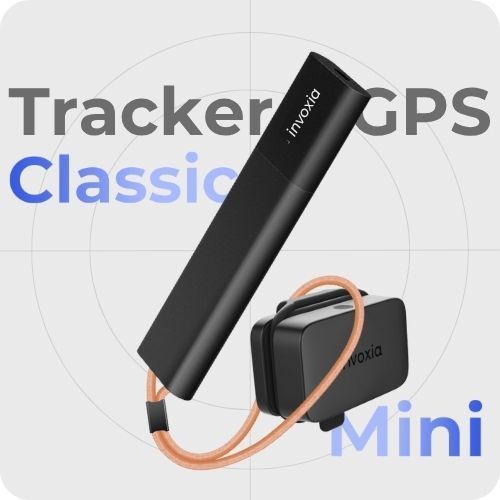
The Mini Tracker for your everyday small objects or bags
- LoRa/SigFox + Bluetooth and motion sensors.
- Autonomy: up to X months in smart mode.
- Strengths: versatility (luggage, professional equipment), history, ultra-compact, Theft Report.
The GPS Tracker for professionals
- Web/API dashboard, multi-unit integration, personalized quote according to your needs.
- Autonomy: up to 5 years on battery.
- Strengths: advanced reporting, grouped alerts, easy integration.
How much does it cost? (purchase, subscription, maintenance) #
- Purchase: Between €79 and €149 depending on the technology and type of tracker.
- Subscription: Between €30 and €60 per year for network use and access to all GPS and anti-theft features.
Installation & best practices #
- Choose the location: invisible but effective. Avoid total metal shielding or even the presence of metal around the tracker, at the risk of creating a Faraday cage.
- Set the zones: geofencing around home, parking, school, construction site…
- Optimize sending frequency: the more frequent, the more it consumes. Adapt to your localization needs.
- Secure app access: ensure you have a strong password to prevent anyone from accessing your location.
- Respect GDPR: inform tracked persons (children, employees), define the purpose of tracking.
- Test regularly: alerts, battery, positioning after update.
Frequently Asked Questions #
What is the difference between a GPS tracker and an AirTag (Bluetooth)? A GPS tracker sends its position autonomously via a network (LTE-M, LoRa…). An AirTag depends on nearby Apple devices: ideal indoors, but not reliable for long-distance tracking.
> Read the full comparison here.
Is a subscription required for a GPS tracker? Yes for most cellular trackers. LPWAN or Bluetooth technologies can do without, but they are not suitable for all uses.
What autonomy can be expected? From a few days (intensive real-time) to several months (LPWAN, occasional sending). It all depends on the protocol and emission frequency.
Is it legal to track a loved one or an employee? Yes, if the person is informed and the purpose is legitimate (safety, logistics). GDPR requires transparency and proportionality.
Can I find an object indoors? GPS is less accurate indoors. Trackers combining Wi-Fi, Bluetooth, or UWB compensate for this limitation.
How to prevent the thief from detecting the tracker? Choose a discreet format, place it in an unexpected area, and activate silent alerts. Avoid visible LEDs.
Will my tracker work abroad? With LTE-M multi-operators, yes in most covered countries. Check the coverage list. LoRa depends on local networks.
Can I share the location with multiple people? Yes, most applications allow secure sharing (family, colleagues) with rights management.