







Mitral valve disease in dogs
Mitral valve disease (MVD) in dogs is a common heart condition that primarily affects older dogs. This progressive condition involves the deterioration of the mitral valve, which is crucial for proper blood flow between the heart's left atrium and ventricle. As the disease advances, it can lead to congestive heart failure and other serious health complications.
Causes and Risk Factors
Age and Breed
MVD is most prevalent in small to medium-sized dog breeds, such as Cavalier King Charles Spaniels, Dachshunds, and Poodles. While age is a significant risk factor, genetic predispositions also influence the likelihood of developing this condition. Dogs typically show symptoms as they reach senior age, often around 10 years or older.
Other Contributing Factors
Chronic conditions such as obesity, hypertension, or other heart problems may exacerbate MVD. Regular veterinary check-ups and monitoring are essential, especially for at-risk breeds, as early detection can significantly improve management outcomes.
Symptoms and Diagnosis
Common Symptoms
Pet owners should be vigilant for signs of mitral valve disease, which may include coughing, difficulty breathing, lethargy, and decreased exercise tolerance. Weight loss and abdominal swelling are other potential indicators of heart disease. Recognizing these symptoms early is critical for effective treatment.
Diagnostic Procedures
Veterinarians typically rely on a combination of physical examinations, blood tests, and imaging techniques, such as echocardiograms, to diagnose MVD. Advanced tools and IoT-enabled pet health monitors can assist in tracking heart rate and other vital signs, providing pet owners with valuable information for their veterinarian.
Managing Mitral Valve Disease
Treatment Options
Although there is no cure for MVD, treatment options aim to improve the quality of life for affected dogs. Medications may include diuretics to remove excess fluid, ACE inhibitors to reduce blood pressure, or other heart medications. Adopting a heart-healthy diet and a controlled exercise routine is also essential.
Role of Technology
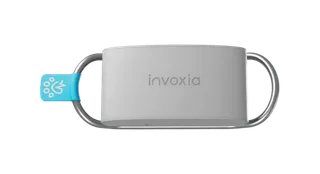
GPS trackers and IoT devices can play a significant role in managing a dog’s health by allowing pet owners to monitor their activity levels and alerting them to any significant changes. These technologies can provide insights into a dog’s overall health and ensure that pet owners remain attentive to their furry companions’ needs, particularly as they live with conditions like mitral valve disease.