






Anti-theft GPS tracking
Definition
Anti-theft GPS tracking refers to the use of Global Positioning System technology to monitor and locate items that are at risk of being stolen. This innovative solution is commonly implemented in various sectors, including personal property protection, vehicle security, and even in the tracking of pets. By providing real-time location data, anti-theft GPS trackers enhance the chances of recovering stolen items and deter theft by their mere presence.
How It Works
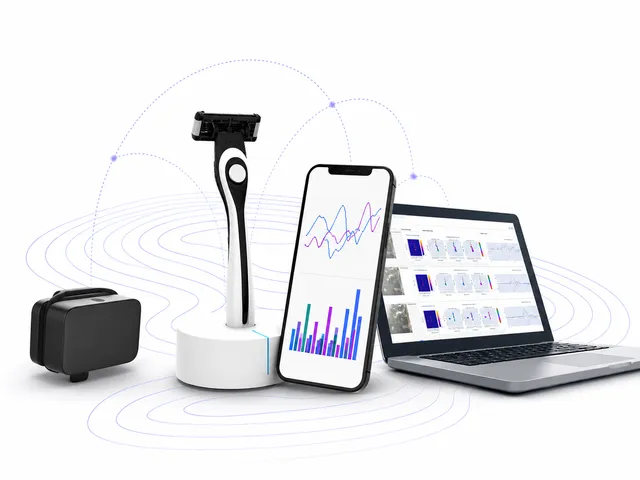
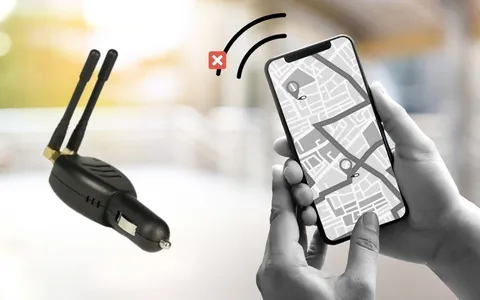
Anti-theft GPS trackers operate by using satellite signals to determine the geographical position of an object. These trackers are typically connected to a mobile app or web platform, allowing users to view the real-time location of their belongings. When a theft is detected, such as a vehicle being moved without authorization, users can receive instant alerts and follow the live tracking feed to aid recovery efforts.
Key Features
- Real-time Tracking: Users can monitor their assets continuously, receiving live updates every few seconds for high-stakes situations.
- Geo-fencing: This feature allows users to set predefined boundaries. If an item leaves the designated area, the system sends an instant alert, enabling quick action.
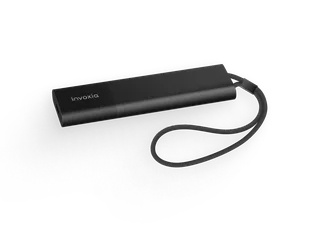
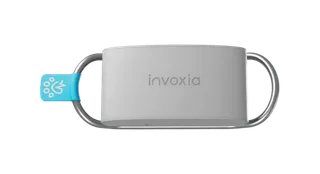
- Compact Design: Many anti-theft GPS devices are small and easily concealable, making them suitable for various applications, including hiding in bags, vehicles, or attaching to collars for pets.
Practical Applications
Anti-theft GPS tracking is increasingly popular among pet owners, who can secure their furry friends with GPS collars that allow for quick location identification if a pet goes missing. For vehicles, these trackers help owners safeguard against theft by providing precise location data to law enforcement agencies. Additionally, businesses utilize anti-theft GPS tracking for asset-management, ensuring valuable assets are monitored and secured around the clock.
In an era where theft remains a common concern, investing in reliable anti-theft GPS tracking systems can significantly reduce risks, enhance peace of mind, and provide a proactive approach to security. This is especially relevant in the context of asset-lifecycle-management, where monitoring and managing the use of physical assets is crucial.