




Activity tracking
Definition
Activity tracking refers to the process of monitoring and recording an individual or animal's physical movements and behaviors over a specific period. This technology is commonly integrated into various devices, particularly in the fields of fitness, health monitoring, and pet care. Activity trackers utilize sensors and GPS data to provide insights into activity levels, patterns, and progress, allowing users to better understand their or their pets’ daily activities.
Practical Applications
Fitness and Health
In the realm of fitness and health, activity tracking devices, such as smartwatches and fitness bands, monitor metrics such as steps taken, distance traveled, heart rate, and calories burned. This information is crucial for individuals looking to maintain or improve their health by setting and achieving fitness goals. By providing real-time feedback, these devices empower users to make informed decisions about their exercise routines.
Pet Monitoring
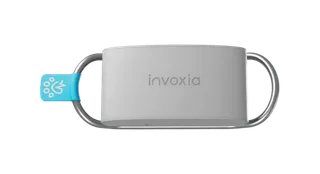
In the context of pet care, activity tracking is invaluable for pet owners seeking to ensure their furry companions are healthy and active. Devices designed for pets often include GPS tracking capabilities along with activity monitoring features. These trackers analyze a pet's movement patterns, helping owners determine whether their pets are getting enough exercise, engaging in playful behavior, or exhibiting any changes in activity that may indicate health issues.
Benefits of Activity Tracking
Activity tracking offers numerous benefits across different domains. For individuals, it promotes awareness of lifestyle habits, encouraging healthier choices and accountability. For pet owners, it not only aids in maintaining their pets' health but also provides peace of mind by enabling location tracking to prevent loss.
Ultimately, activity tracking integrates technology with daily life, whether through GPS-enabled fitness trackers for humans or IoT devices designed for pet health monitoring, enhancing overall wellness and safety. The use of connected devices and positioning systems is essential in making these monitoring processes accurate and effective, ensuring users receive pertinent data on their activities.