

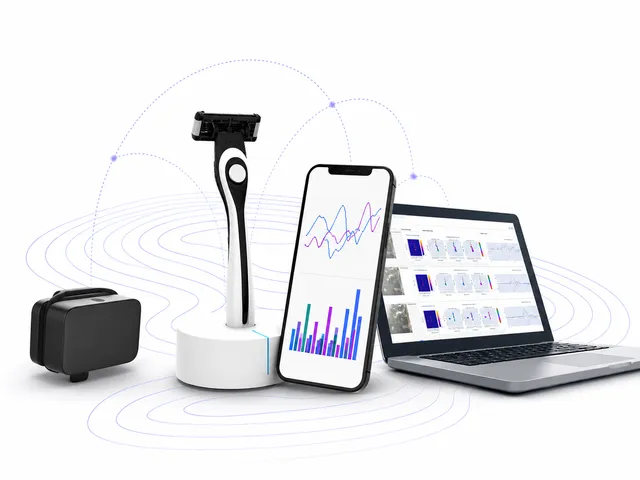




Asset tracking
Asset tracking refers to the systematic monitoring and management of physical items or resources throughout their lifecycle. This process is vital for businesses, individuals, and organizations looking to optimize the usage, location, and status of their valuable assets. With advancements in technology, particularly in GPS tracking and IoT (Internet of Things), asset tracking has become more efficient, accurate, and accessible.
What is Asset Tracking?
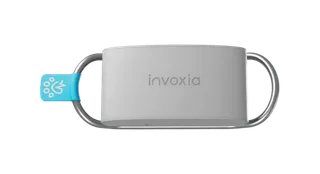
Asset tracking involves the use of various technologies—such as GPS trackers, RFID (Radio Frequency Identification), and barcodes—to gather and analyze data about physical items. This data can include an asset's location, condition, usage patterns, and operational status. Asset tracking can be applied to various sectors, including logistics, manufacturing, healthcare, and even personal applications like pet monitoring.
Key Features of Asset Tracking
- Real-Time Location Tracking: GPS-enabled devices can provide real-time data on the location of assets, which is crucial for businesses that rely on timely deliveries and inventory management.
- Condition Monitoring: IoT devices can monitor environmental factors such as temperature and humidity, ensuring that sensitive items, such as medications or valuable equipment, remain in optimal conditions.
- Data Analytics: Asset tracking systems can analyze data over time to identify trends, inefficiencies, and opportunities for improvement in asset utilization.
Benefits of Asset Tracking
Implementing an asset tracking system brings several benefits to organizations and individuals alike:
- Enhanced Efficiency: By knowing the exact location and status of assets, organizations can reduce search time and optimize workflows, leading to improved overall efficiency.
- Cost Savings: Detailed visibility into asset usage and maintenance can help minimize costs associated with theft, loss, or underutilization of resources.
- Improved Accountability: Asset tracking can improve accountability by providing a clear record of asset movements and usage. This is particularly beneficial in sectors like healthcare, where monitoring the location of medical equipment can enhance patient safety.
In summary, asset tracking is a crucial component in the management of resources across various fields, leveraging GPS, IoT technology, and data analytics to provide value-added benefits for efficiency and cost savings. Whether for businesses managing heavy equipment or pet owners seeking to keep tabs on their animals, asset tracking technologies offer significant advantages.