

Taking care of your dog’s health is not just about visiting a veterinarian when something goes wrong.
Today, needs are changing. Between prevention, wellbeing, behavior, and chronic conditions, there is a whole range of dog health professionals who can support your pet throughout their life. And yet, one question comes up again and again for most dog owners:
Who should I consult, when, and how can I be sure I’m making the right choice?
This complete guide gives you a clear, practical, and modern overview of the main pet care professionals, and above all helps you build a true healthcare ecosystem adapted to your dog.
Dog health today: much more than a single vet visit #
For a long time, animal healthcare was mostly based on a curative approach: owners would consult a veterinarian once a problem became visible. Today, dogs are increasingly considered full members of the family, and this evolution is driving a more preventive and holistic approach to dog health.
In the US and across Europe, this trend is also reflected in growing attention to pet wellbeing and in an increasingly specialized veterinary sector. In the US, you can find reliable information about veterinary care and the profession through the American Veterinary Medical Association. In Europe, professional veterinary organizations such as the Federation of Veterinarians of Europe also provide useful context on animal health and veterinary standards.
This preventive and holistic approach takes into account:
- physical activity
- behavior
- nutrition
- environment
This often means involving several canine care specialists, rather than relying on a single point of contact.
Dog health professionals: roles and specialties #
Understanding who does what is essential to guide your dog toward the right type of care.
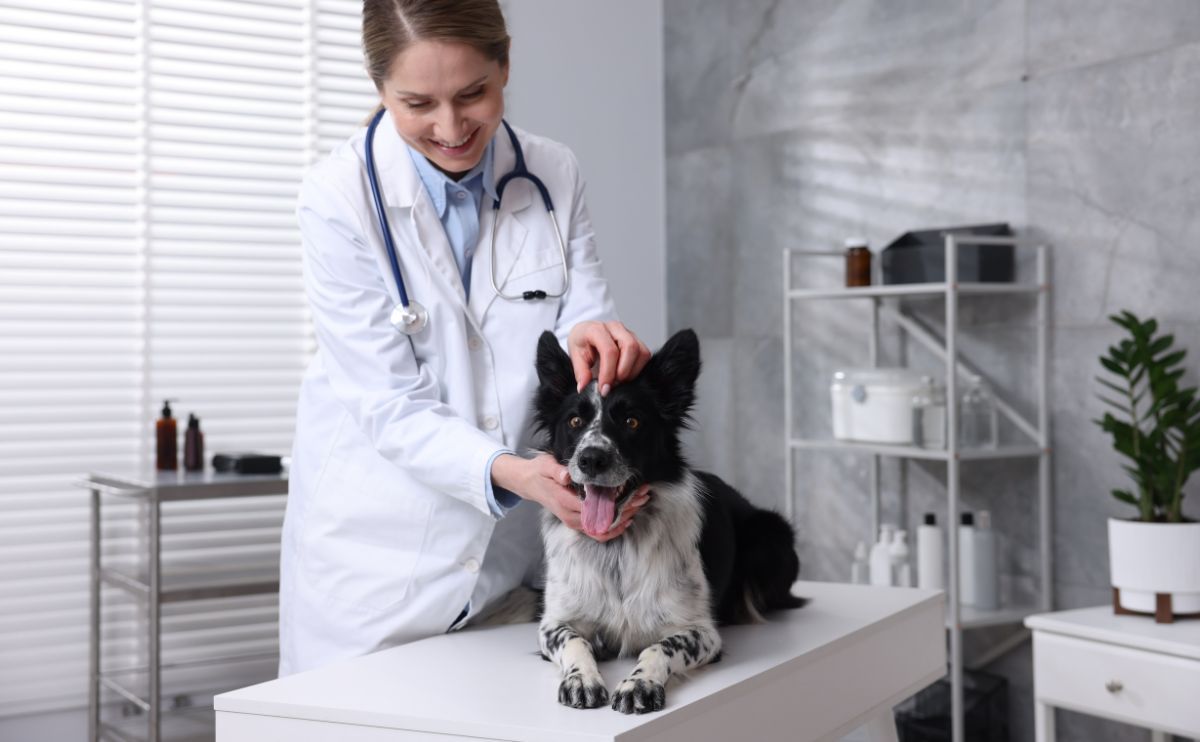
The veterinarian: the essential first point of contact #
The veterinarian is the cornerstone of the healthcare system. In the US and Europe, veterinarians are regulated medical professionals and remain the reference point for:
- making a medical diagnosis
- prescribing treatments
- performing procedures and surgeries
They should always be your first reflex.
Some veterinarians are also specialized — cardiology, dermatology, internal medicine, surgery — which can be decisive in specific cases. Certain tools can also be very useful to help refine a diagnosis, such as the Invoxia Biotracker. Thanks to its advanced health sensors, it can complement a consultation by tracking patient data at home, in everyday life, without the stress of the clinic.
The Invoxia Biotracker is already used in several studies, especially in veterinary cardiology. With 99% accuracy for heart and respiratory rates, it allows researchers to collect previously unavailable data and deepen our understanding of veterinary medicine.
Find one of the studies here 👉 AI-collar study using a biometric device for Longitudinal non-invasive cardiorespiratory monitoring
The animal osteopath: mobility and invisible pain #
An animal osteopath can help with:
- joint pain
- mobility issues
- recovery after an injury
A study published in Frontiers in Veterinary Science shows that manual therapies can improve mobility in some dogs. If your dog is moving less than usual, without an obvious reason, an animal osteopath may help.
The Biotracker can also provide clues about pain. Dogs tend to hide when they are hurting, which makes it harder to notice that something may be wrong at a joint or muscle level. Thanks to heart rate variability, you get an additional way to understand whether your dog may be experiencing pain or recovering well after a walk. A real advantage when the signs are almost impossible to spot.
The canine behaviorist: interpreting the signals #
A behavioral issue is never trivial. Changes in activity or routine are often among the first signs of an underlying problem.
A canine behaviorist analyzes the deeper causes of these changes and observes the dog’s environment. If the cause is behavioral or environmental, they suggest an adapted plan to help your companion return to a better state of wellbeing. They may also recommend consulting another specialist if they suspect a medical cause.
The veterinary behaviorist #
Unlike a standard behaviorist, this is a veterinarian specialized in behavior. They can:
- diagnose behavioral disorders linked to a medical cause
- prescribe treatments when needed
- work alongside a dog trainer or behavior specialist
They are often the right choice for complex cases such as severe aggression, deep anxiety or separation anxiety, or obsessive behaviors.
The pet nutritionist: an often underestimated lever #
Nutrition directly influences your dog’s energy, diseases, and of course weight. It should therefore be adapted to your dog, especially to reduce the risk of canine obesity or cardiovascular disease.
In general, dog owners tend to ask their veterinarian directly for advice. And that is already a great reflex. But did you know there are veterinarians and specialists focused on pet nutrition?
Sometimes recommended directly by your veterinarian, canine nutritionists help you understand your dog’s needs and propose a highly personalized plan to keep them healthy and fit.
Here too, tools such as the Invoxia Biotracker, which estimates calories burned each day, can be very helpful to adjust nutrition even more precisely.
The physiotherapist: rehabilitation and recovery #
Still not as well known as other specialists, the physiotherapist intervenes after surgery, injury, or loss of mobility. Much like a physical therapist for humans, their role can be key in functional recovery.
💡 Unlike the animal osteopath, who often has a more global and sometimes preventive approach, the physiotherapist works specifically on rehabilitation through targeted exercises. Their goal is to help the animal regain mobility, especially through muscle strengthening.
The veterinary dermatologist #
Skin problems are fairly common in dogs. A veterinary dermatologist helps manage itching, allergies, and skin infections.
The veterinary cardiologist #
A veterinary cardiologist manages diseases of the heart and circulatory system. They are especially involved in cases of:
- heart murmur detected during a consultation
- unusual fatigue or shortness of breath
- exercise intolerance
- fainting episodes
They have access to specific equipment such as echocardiography or electrocardiograms.
This is important, especially because early care can significantly improve your dog’s life expectancy and quality of life.
To support long-term follow-up, the Invoxia Biotracker can be a valuable ally. By measuring resting heart and respiratory rates, it helps establish a “normal” baseline rhythm and monitor upward or downward trends, which are truly essential for early diagnosis.
The values collected by the Biotracker are especially interesting because they are recorded directly at home, in a calm environment for the dog. In the clinic, these values can be affected by the stress of the visit.
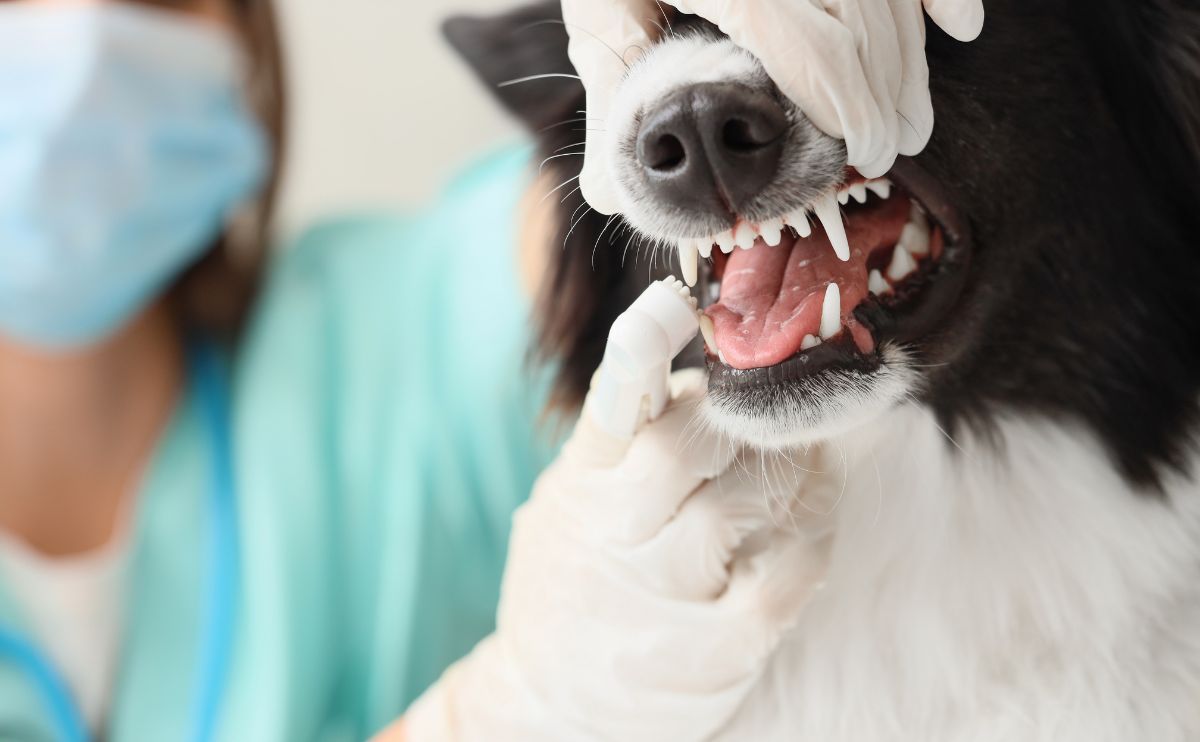
The veterinary dentist #
Dental health is often neglected, even though it has a direct impact on overall health. A veterinary dentist can help with:
- dental cleanings
- gum infections
- dental abscesses
- tooth-related pain
Untreated dental problems can lead to more serious infections, especially affecting the heart or kidneys.
The veterinary imaging specialist #
This professional works closely with veterinarians to refine diagnoses. They use tools similar to those used in human medicine:
- X-rays
- ultrasound
- CT scans
- MRI
They are especially useful when symptoms are difficult to interpret or when a condition requires deeper investigation.
The canine reproduction specialist #
Mainly consulted in breeding contexts, this specialist supports breeders on topics such as fertility, pregnancy monitoring, birth, and reproductive disorders.
They can also intervene in case of complications or help optimize puppy health.
Complementary veterinary medicine practitioners #
Some alternative approaches can complement traditional veterinary medicine. These include:
- acupuncture
- herbal medicine
- aromatherapy
These practices can help relieve certain types of pain or improve wellbeing, but they should always be used as a complement to veterinary follow-up.
The groomer: an often underestimated actor #
Even though they are not healthcare professionals in the strict sense, groomers play an important role in prevention. During regular grooming sessions, they may notice:
- skin abnormalities
- parasites
- lumps or irritations
They can often act as a first warning level, even before a veterinary consultation. Their role should not be underestimated in monitoring your dog’s health.
How to choose the right professional for your dog #
Choosing a professional for your dog is not a trivial decision. Unlike us, your pet cannot clearly express what they feel, or tell you whether a treatment is appropriate.
That means you need to play an active role in this decision. But how can you tell if you are dealing with the right person?
Beyond diplomas: what to really look for when choosing a dog health professional #
Qualifications are, of course, a starting point. A serious professional should be able to show solid training and, when relevant, membership in an official body or professional organization.
But in practice, that is not always enough. Two professionals with the same qualification can have very different approaches. What often makes the difference is how they work, their experience, and their ability to adapt to each dog.
The first consultation: a revealing moment #
The first few minutes of an appointment often say a lot. A good professional does not rush. They take the time to talk with you, understand the context, and observe your dog before intervening.
They do not just “do”; they explain. Why they act in a certain way, what they observe, what they recommend. If you feel everything is moving too fast or the explanations are unclear, it is legitimate to ask questions.
Your dog often gives the answer #
We tend to forget it, but your dog is an excellent indicator. Observe them during the consultation:
- are they tense or relaxed?
- do they avoid contact or calm down?
- do they accept handling?
An experienced professional knows how to adapt to these signals. They adjust their approach, take their time, and avoid abrupt gestures. Your dog’s trust is essential for care to be effective.
A collaborative approach is a sign of quality #
Today, dog health rarely depends on a single expert. A quality professional does not hesitate to:
- recognize the limits of their field
- refer you to another specialist
- work alongside a veterinarian
In fact, this is often a very good sign. On the other hand, an approach that claims to solve everything alone should raise concerns.
Reviews: useful, but read them critically #
Online reviews can help, as long as they are not taken at face value. A very positive or very negative comment is not enough to form an opinion. What matters are detailed reviews, concrete experiences, and clear explanations.
In the US and Europe, you can also rely on local recommendations, trusted veterinary clinics, and specialized platforms that help compare professional profiles.
This is a good starting point, which should then be completed by your own impression.
Take the time to ask the right questions #
Before committing, a few simple questions can make all the difference:
- What experience do you have with similar cases?
- What does follow-up look like?
- Do you work with other professionals?
A good professional will answer clearly and take the time to explain.
Warning signs you should not ignore #
Finally, some elements should immediately make you cautious. Promises of fast results, poorly explained methods, or rough handling of your dog are never good signs.
When in doubt, it is always better to seek a second opinion.
Which dog health professional should I consult? (quick guide) #
Here is a simple table to help you orient yourself:
| Symptom / situation | Recommended professional |
|---|---|
| Fatigue, loss of appetite | Veterinarian |
| Difficulty moving | Osteopath / veterinarian |
| Aggression, anxiety | Behaviorist |
| Overweight, allergies | Nutritionist |
| Itching, redness | Dermatologist |
| Post-surgery recovery | Physiotherapist |
When in doubt: always start with your veterinarian.
Why daily monitoring changes everything #
A dog can hide pain for a long time.
According to several studies, changes in activity are often among the first more or less visible signals. Other signals, completely invisible, such as heart rate or recovery level, are also essential indicators to consider.
The problem: they are difficult to notice in everyday life.
The Invoxia Biotracker: an ally for your dog’s health #
This is where modern tools make all the difference.
The Invoxia Biotracker continuously tracks:
- activity
- sleep
- unusual behaviors
- GPS location
A useful tool for you and for professionals #
With this data, you can:
- detect an anomaly earlier
- track changes over time
- bring concrete information to a consultation
💡 Result: faster and more precise diagnoses.
Building a healthcare ecosystem around your dog #
The best approach today is holistic. Good follow-up is based on:
- a primary veterinarian
- specialists depending on your dog’s needs
- regular data monitoring
By combining trusted professionals with the Invoxia Biotracker to monitor your dog, you create a true dog healthcare ecosystem.
Common mistakes to avoid #
- waiting until the problem is visible
- changing professionals too often
- ignoring weak signals
- not tracking changes over time
Prevention remains your best ally.
FAQ about dog health professionals #
What are the main dog health professionals? #
The main professionals are the veterinarian, animal osteopath, canine behaviorist, pet nutritionist, and physiotherapist.
How do I know when to consult? #
As soon as a change appears: activity, behavior, sleep, or appetite.
A tool like the Invoxia Biotracker can help detect these variations earlier.
How do I find a reliable professional? #
Check qualifications or training, read reviews, and rely on local recommendations or trusted veterinary clinics.
Should I consult several professionals? #
Yes, a multidisciplinary approach often allows for better care.
How often should my dog see a veterinarian? #
At least once a year, and every 6 months for senior dogs.