






Canine arrhythmia
Definition
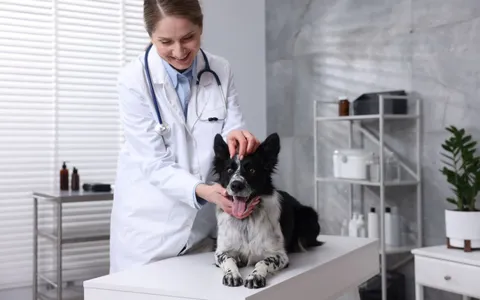
Canine arrhythmia refers to any abnormality in the heart's rhythm in dogs, which can manifest as irregular heartbeat patterns. This condition may result from various underlying issues such as heart disease, stress, electrolyte imbalances, or congenital heart defects. Arrhythmias can range from benign to life-threatening and often require veterinary assessment and treatment.
Types of Canine Arrhythmia
Canine arrhythmias can be classified into several types, each with distinct characteristics:
Atrial Fibrillation
This is one of the most common types of arrhythmia in dogs. It occurs when the atria (the heart's upper chambers) contract irregularly, leading to a rapid and uncoordinated heartbeat. Dogs with atrial fibrillation may show signs such as lethargy, weakness, and exercise intolerance.
Ventricular Tachycardia
Ventricular tachycardia is a more serious condition where the ventricles (the heart's lower chambers) beat too quickly, potentially leading to fainting or sudden cardiac death. This type is often associated with underlying heart disease and requires immediate medical intervention.
Sinus Arrhythmia
Sinus arrhythmia is characterized by a fluctuating heart rate that commonly occurs with breathing. It is generally considered normal in dogs and typically does not require treatment. However, monitoring is essential to rule out other more serious conditions.
Practical Context and Monitoring
For pet owners, understanding canine arrhythmia is crucial, especially for breeds predisposed to heart conditions. Advanced pet health monitors and GPS trackers can play a significant role in managing a dog’s health. These devices can provide real-time data on a dog's activity levels, heart rate, and behavior patterns, alerting owners to any anomalies that may indicate a developing heart issue.
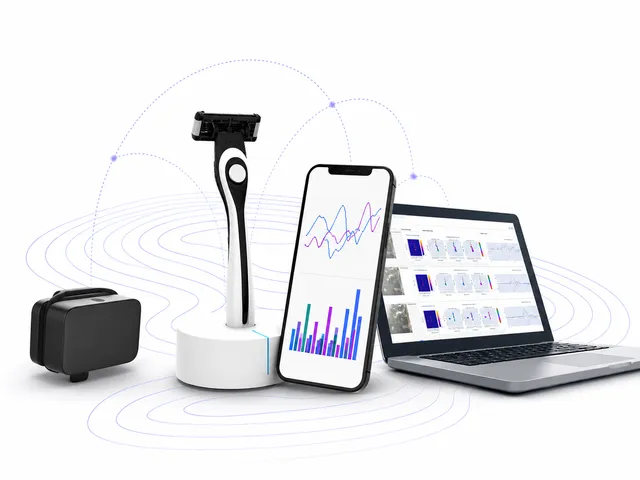
Incorporating IoT devices into pet care regimens not only supports early detection of canine arrhythmias but also enhances overall well-being. Regular monitoring paired with veterinary check-ups ensures any irregularities are addressed promptly, leading to better care and improved outcomes for our furry companions.