





Cardiorespiratory monitoring
Definition
Cardiorespiratory monitoring refers to the continuous assessment of an individual's heart rate and respiratory functions. This monitoring is crucial for evaluating cardiovascular and pulmonary health and is commonly employed in medical settings, fitness analysis, and increasingly in IoT applications. The technology captures real-time data, which can be analyzed for patterns or abnormalities in heart rate and breathing, allowing for timely interventions or health optimizations.
Importance
Cardiorespiratory monitoring plays a vital role in various domains, including:
Medical Care
In healthcare, cardiorespiratory monitoring is essential for diagnosing and managing chronic respiratory diseases, heart conditions, and sleep disorders. Devices equipped with sensors provide healthcare professionals with valuable insights into a patient’s health, enabling tailored treatment plans and quick responses to critical situations.
Fitness and Wellness
In the realm of fitness, cardiorespiratory monitoring enhances workout effectiveness and personal training regimes. Wearable devices, often utilizing GPS tracking technology, enable users to track heart rate and breathing patterns during exercise, optimizing performance and aiding in recovery.
Pet Health Monitoring
The introduction of IoT in pet health has allowed for advanced cardiorespiratory monitoring in animals. Pet owners can utilize wearables to track their pets’ heart rates and respiratory functions, ensuring timely alerts for potential health issues. This technology is especially beneficial for elderly pets or those with known health conditions, providing peace of mind to pet owners.
Technology and Applications
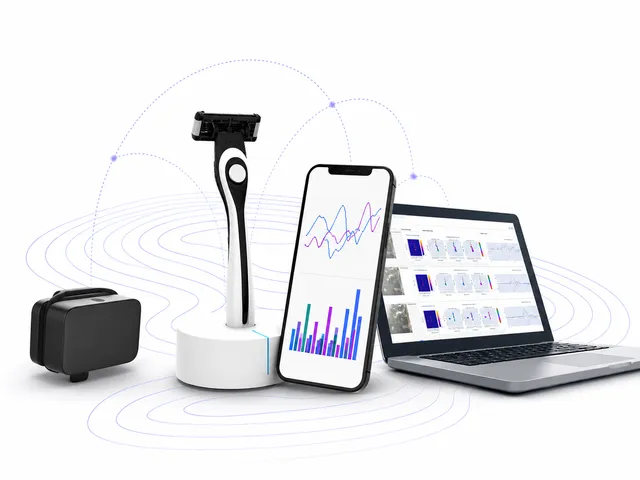
Modern cardiorespiratory monitoring systems employ various technologies, including electrocardiogram (ECG) sensors, pulse oximeters, and wearable devices integrated with GPS tracking. These technologies offer features like:
- Real-Time Data Transmission: Instant feedback helps in making quick decisions regarding health and exercise adaptations.
- Data Analytics: Accumulated data from monitoring devices can be analyzed to detect trends, improving personal health management and training efficiency.
- Remote Monitoring: IoT capabilities allow for remote access to health data, empowering users to share information with healthcare providers easily.
In conclusion, cardiorespiratory monitoring is an evolution in both human and pet health management. With advancements in technology, such as GPS tracking and IoT devices, individuals can take proactive steps toward maintaining optimal health.