




Low-power wide-area network
Definition
A Low-power wide-area network (LPWAN) is a type of wireless telecommunication network designed to connect low-power devices over long distances. This technology is particularly well-suited for Internet of Things (IoT) applications, where devices often need to transmit small amounts of data infrequently, while prioritizing battery life and range.
Characteristics
LPWANs are characterized by several key features:
- Long Range: LPWANs can cover extensive distances, typically ranging from 2 to 10 kilometers in urban areas and up to 50 kilometers in rural settings. This makes them ideal for applications in GPS tracking and pet monitoring, where devices may be deployed far from the user.
- Low Power Consumption: Devices connected via LPWANs have extended battery life, often lasting several years on a single battery. This efficiency is crucial for devices like GPS trackers or pet health monitors that need to operate autonomously over extended periods without the need for frequent battery changes.
- Cost-effective: LPWAN technology enables low-cost connectivity for numerous devices, allowing for scalable IoT deployments that are economically feasible, whether for personal pet monitoring or large-scale tracking of assets.
Applications in GPS Tracking and IoT
Given its defining characteristics, LPWAN is an excellent fit for various applications in the realms of GPS tracking and IoT.
GPS Tracking
Devices utilizing LPWAN technology can provide real-time location data while minimizing power consumption. This is particularly beneficial for tracking assets or vehicles that require long-duration monitoring without the burden of regular maintenance.
Pet Monitoring
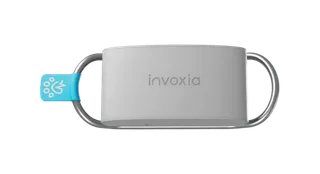
In pet health monitors and trackers, LPWAN allows pet owners to keep tabs on their pets' locations and health metrics effortlessly. The extended battery life ensures that these devices can function throughout long walks, hikes, or even while pets are outdoors, without the constant worry of recharge.
LPWAN has increasingly become the backbone of modern IoT systems, contributing to more efficient and smarter tracking solutions that enhance our everyday lives.