

In 2025, the choice of a GPS tracker largely depends on the network it uses. The gradual phasing out of older technologies like 2G and 3G is pushing manufacturers and users to turn to more recent solutions, such as the LTE network and more specifically LTE-M, or towards low power networks (LPWAN) like Sigfox and LoRa.
But which one to choose for a reliable, autonomous, and sustainable GPS tracker? In this article, we will see what distinguishes the LTE-M network from other low power technologies, their advantages, their limitations, and how Invoxia uses them to offer GPS trackers suitable for all needs.
The LTE-M Network: 4G Designed for Connected Objects #
The LTE-M network (Long Term Evolution for Machines) is a variant of the 4G LTE network designed specifically for connected objects (IoT). Unlike the classic LTE used by smartphones, LTE-M is optimized to transmit small amounts of data while consuming less energy.
Its main strengths are:
- Its extensive coverage in several countries thanks to the use of existing LTE infrastructures.
- Its excellent indoor penetration: effective even in underground parking lots or thick buildings.
- Its low latency, allowing almost instantaneous transmissions.
- Its reduced energy consumption compared to classic 4G.
💡 A few months ago, Invoxia’s LTE-M technology helped Dorian find Charly, his runaway Border Collie, in 15 minutes.
Low Power Networks: Sigfox and LoRa #
Faced with the LTE-M network, low power networks focus primarily on autonomy.
- LoRa: open technology, can operate on public (LoRaWAN) or private networks. Its range is excellent, especially in urban areas, and its consumption is very low.
- Sigfox: network dedicated to connected objects. It sends short messages, which limits speed but offers record autonomy.
These networks are perfect for:
- Keeping an eye on mobile objects or people without the need for close monitoring.
- Monitoring an immobile asset for several months.
- Tracking a winterized boat, a container, a trailer, or construction equipment.
- Applications where the update frequency does not need to be high.
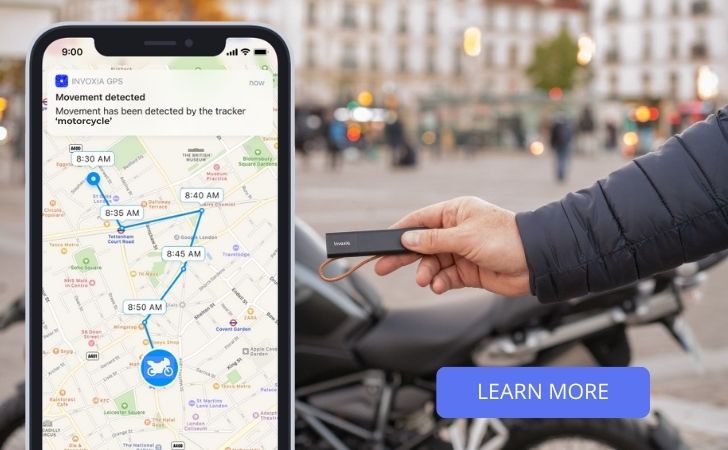
💡 Thanks to his Invoxia GPS tracker operating on the LoRa network, Paul was able to find his motorcycle. In the hangar where it was located, a criminal network was storing many other stolen goods.
LTE-M Network vs Low Power Networks: Comparative Table #
| Criterion | LTE-M (LTE IoT Network) | Sigfox / LoRa (LPWAN) |
|---|---|---|
| Sending Speed | Fast | Medium to slow |
| Autonomy | Long | Very long |
| Indoor Penetration | Excellent | Medium to very good depending on coverage |
| Network Availability | According to local LTE-M operators and the technology used in the GPS tracker | Sigfox: Europe / LoRa: France |
| Latency | Low | Medium to high |
| Data Volume | Higher | Very low |
| Typical Use | Dynamic tracking | Occasional monitoring |
Invoxia GPS Trackers: LTE-M and LPWAN for All Uses #
At Invoxia, we have chosen to use the LTE-M network and low power networks according to the usage profile, in order to offer our users efficient and durable GPS trackers.
> We help you choose the most suitable tracker for your needs in our guide
LTE-M Trackers at Invoxia #
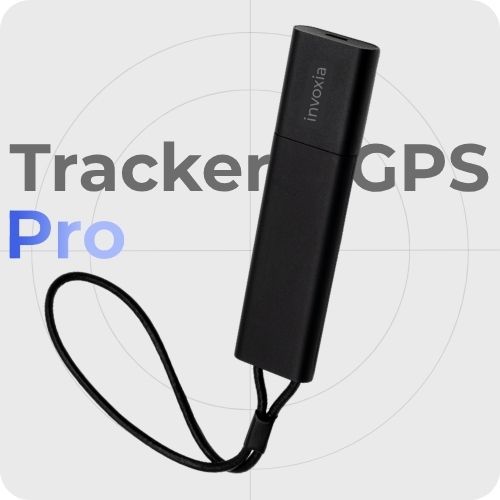
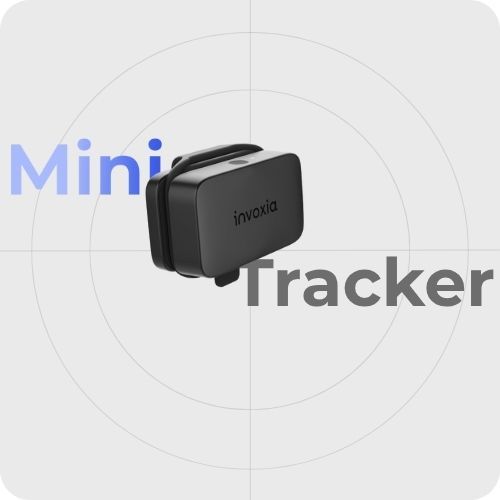
We use the LTE-M network to offer:
- Precise and almost real-time tracking.
- Instant alerts in case of movement or exit from a defined area.
- Optimal coverage, including in underground parking lots or areas with low reception, in more than 40 countries.
- Long autonomy for LTE-M trackers, thanks to intelligent management of sending frequency.
Sigfox/LoRa Trackers at Invoxia #
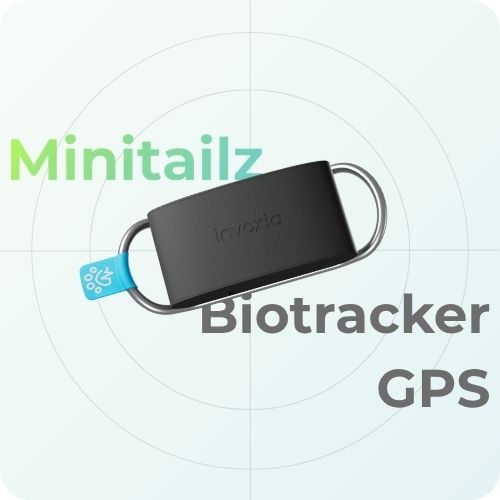
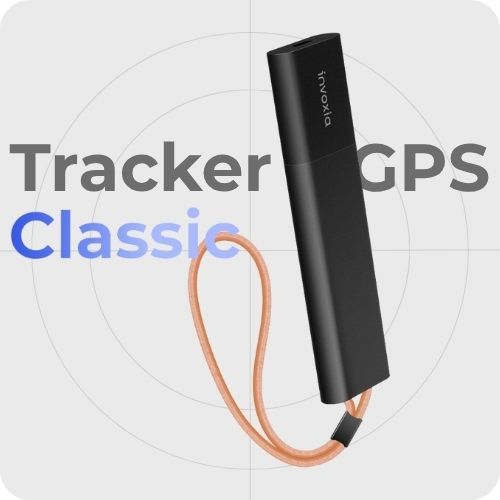
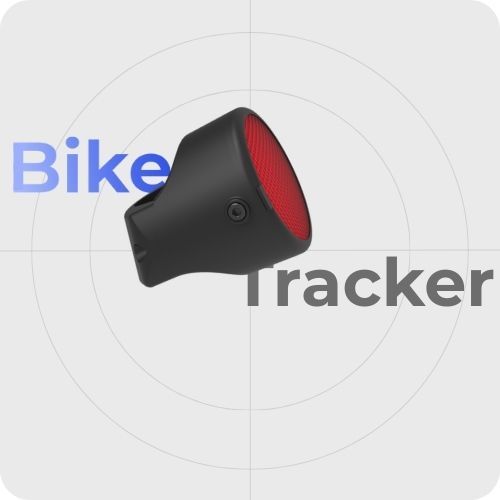
Our low power trackers rely on LoRa technology in France, and SigFox in the 14 other covered countries. These LPWAN networks are designed to maximize autonomy and allow you to enjoy:
- Several months without recharging.
- Extended national coverage in the country of installation.
- Discreet tracking with regular position sending, sufficient to ensure that an asset has not been moved.
- Alerts of suspicious movements.
- Reliable and sustainable technology, suitable for long-term use.
The Future of GPS Trackers and the LTE Network #
With the announced - or even already started - shutdown of 2G/3G networks in several countries, LTE and LPWAN solutions are set to become the norm.
LTE-M is expected to strengthen with the expansion of 4G networks, and Invoxia’s coverage should therefore strengthen internationally. On the other hand, Sigfox and LoRa will continue to serve very low power consumption uses.
By choosing today a GPS tracker based on the LTE network or a low power network, you ensure that your device will remain functional and efficient for many years.
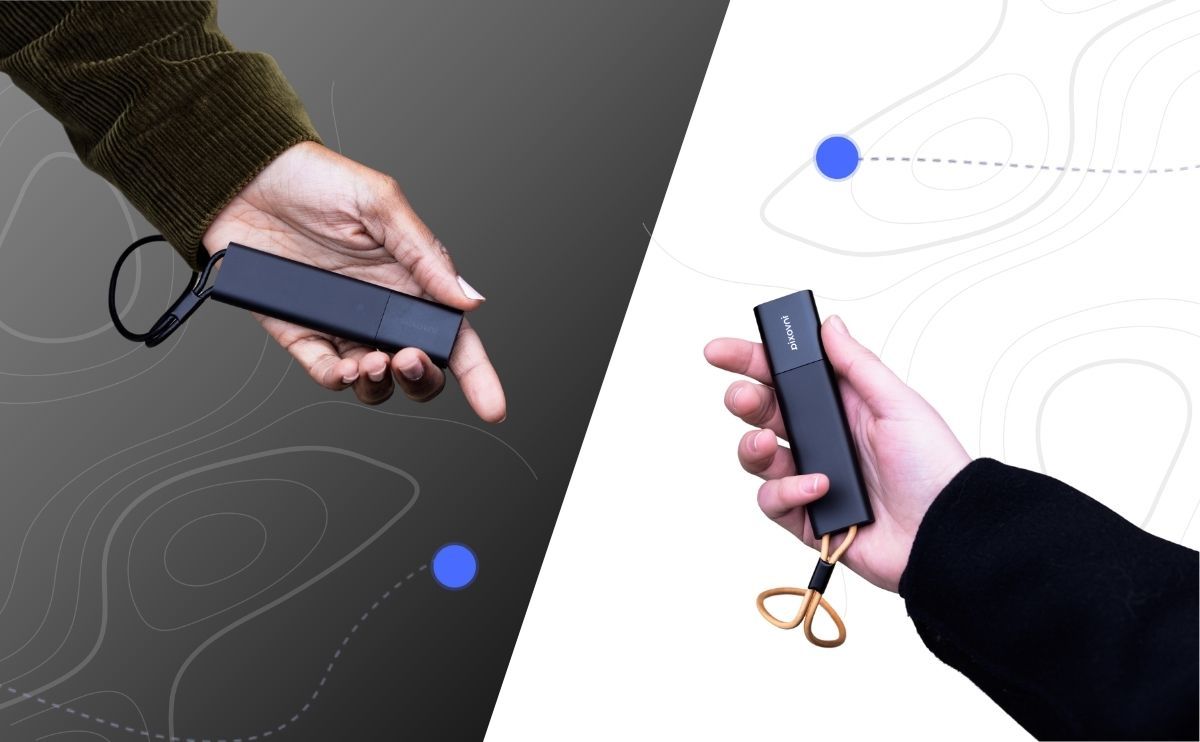
In 2025, the choice between LTE-M network and low power network depends primarily on your priorities: speed and responsiveness or maximum autonomy. LTE-M is perfect for active and frequent tracking, while Sigfox and LoRa excel in long-term monitoring scenarios.
Invoxia GPS trackers intelligently use these technologies to offer each user the most suitable solution, whether it is to protect a mobile asset or to monitor an object stored for several months.