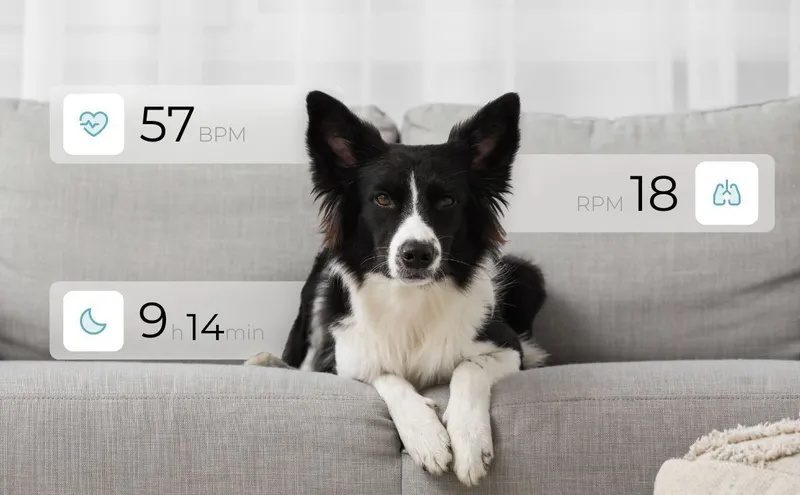
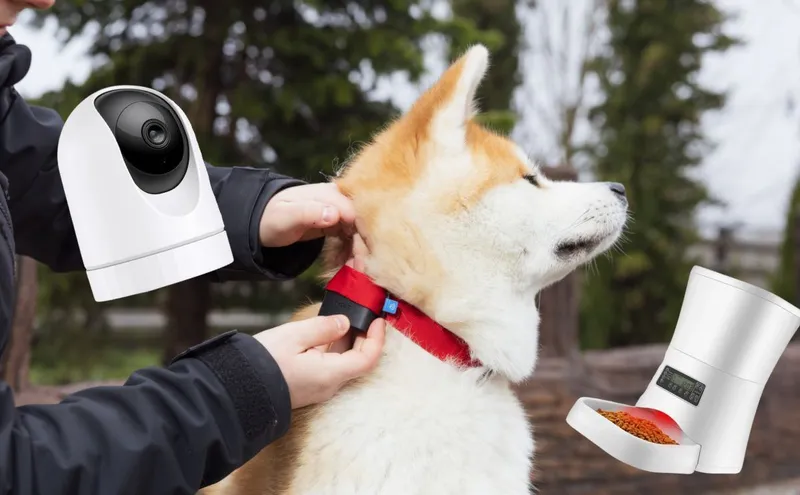
Heart disease is one of the leading causes of death in adult and senior dogs. It often develops silently over several months before the first symptoms alert the owner. Continuous at-home dog heart monitoring changes the situation dramatically.
What is a normal heart rate for a dog?
A normal heart rate for a dog varies depending on size and age. The median resting values are as follows:
- Adult dogs (> 20 kg): median 59.5 bpm at rest
- Adult dogs (≤ 20 kg): median 62.1 bpm at rest
- Small dogs (≤ 10 kg): median 65.0 bpm at rest
- Senior dogs (≥ 10 years): median 68.7 bpm at rest
- Puppies (≤ 12 months): median 78.5 bpm, a higher value that is normal at this age
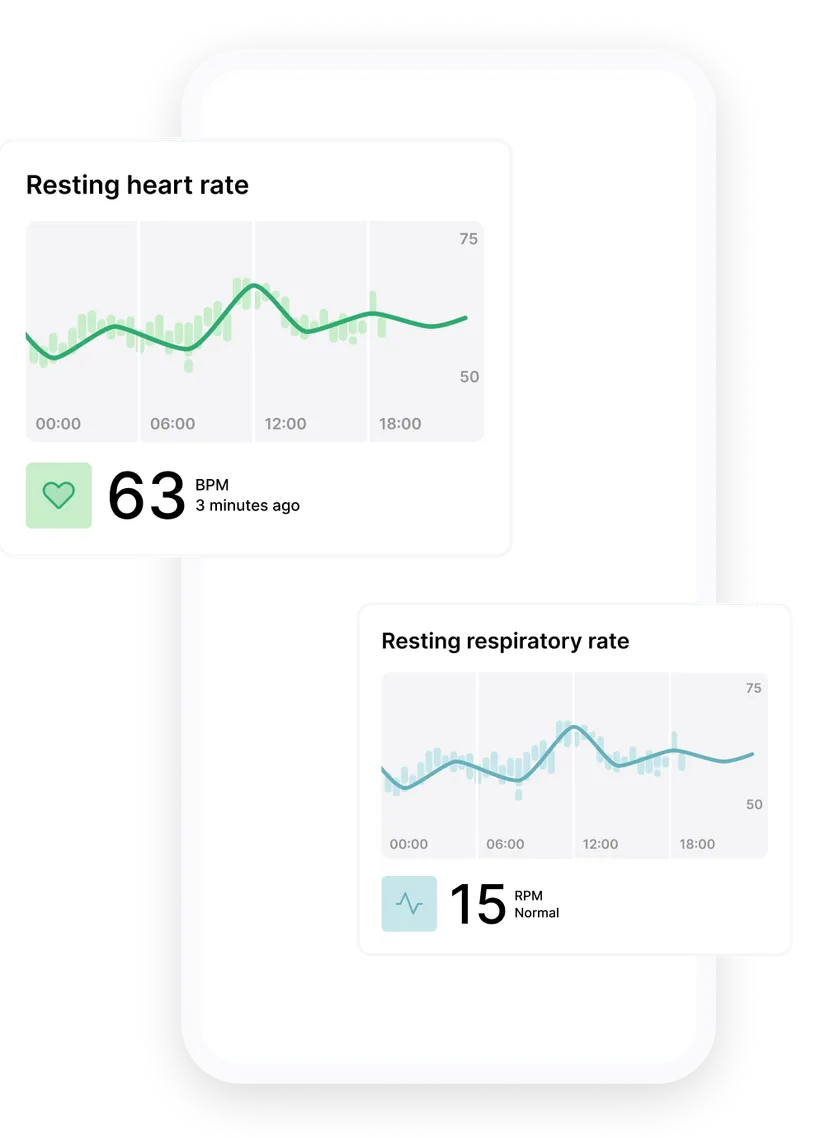
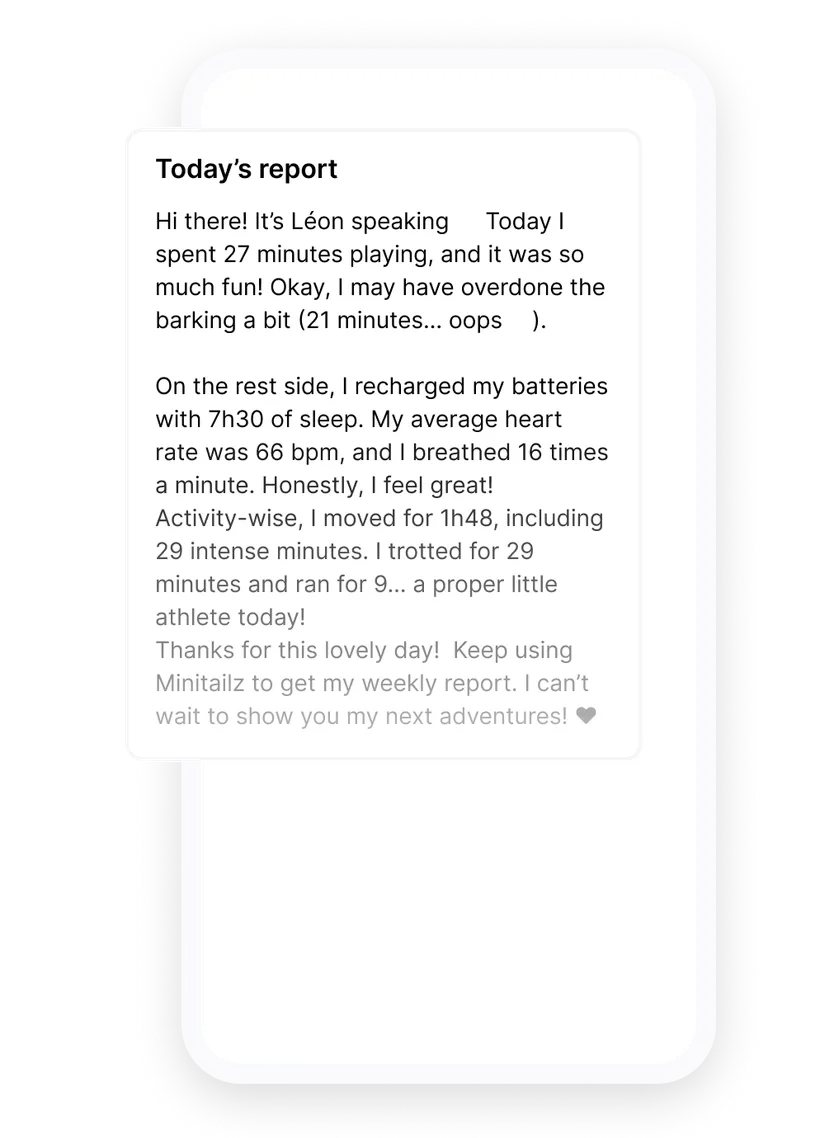
These values are population medians. What matters above all is each dog's individual baseline. The Biotracker builds it week after week, and only alerts you when your dog moves away from their own normal, not from a generic standard.
Data from the AI-collar study, conducted on more than 700 dogs by Prof. Valérie Chetboul, veterinary cardiologist.
Heart rate variability in dogs
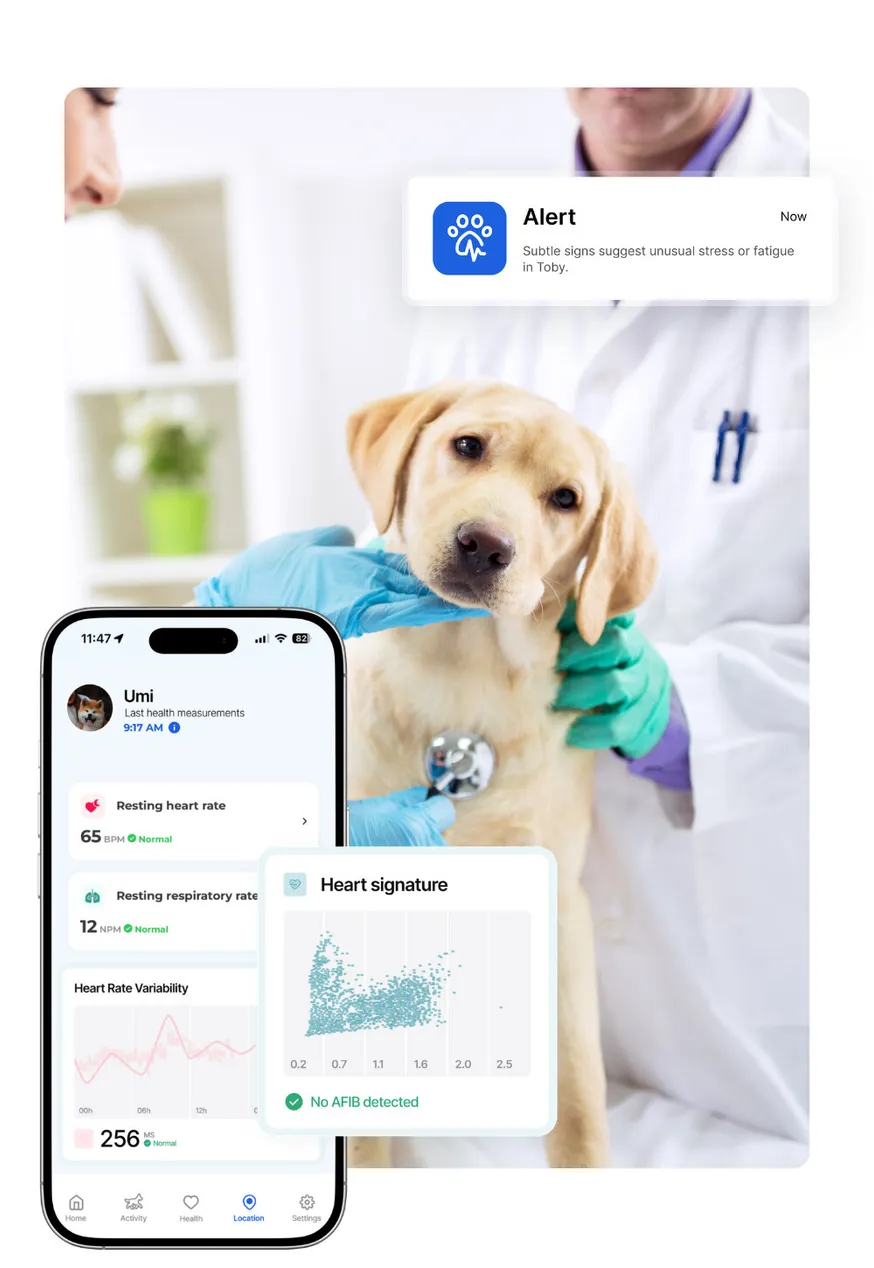
Heart rate variability in dogs (HRV) measures the small time variations between each heartbeat. A gradual decrease in HRV can signal chronic stress, accumulated fatigue, pain, or the early stages of heart disease, well before the first visible symptoms.
The Biotracker measures HRV and tracks its changes over time, an indicator that most veterinary devices only capture during occasional consultations.
Atrial fibrillation in dogs: early detection
Atrial fibrillation in dogs is one of the most common arrhythmias, especially in large breeds (Labrador, Golden Retriever, Great Dane) and dogs with pre-existing heart disease. Its early signs are often subtle:
- slight exercise intolerance,
- unusual shortness of breath after moderate activity,
- temporary episodes of lethargy,
- irregular heart rhythm.
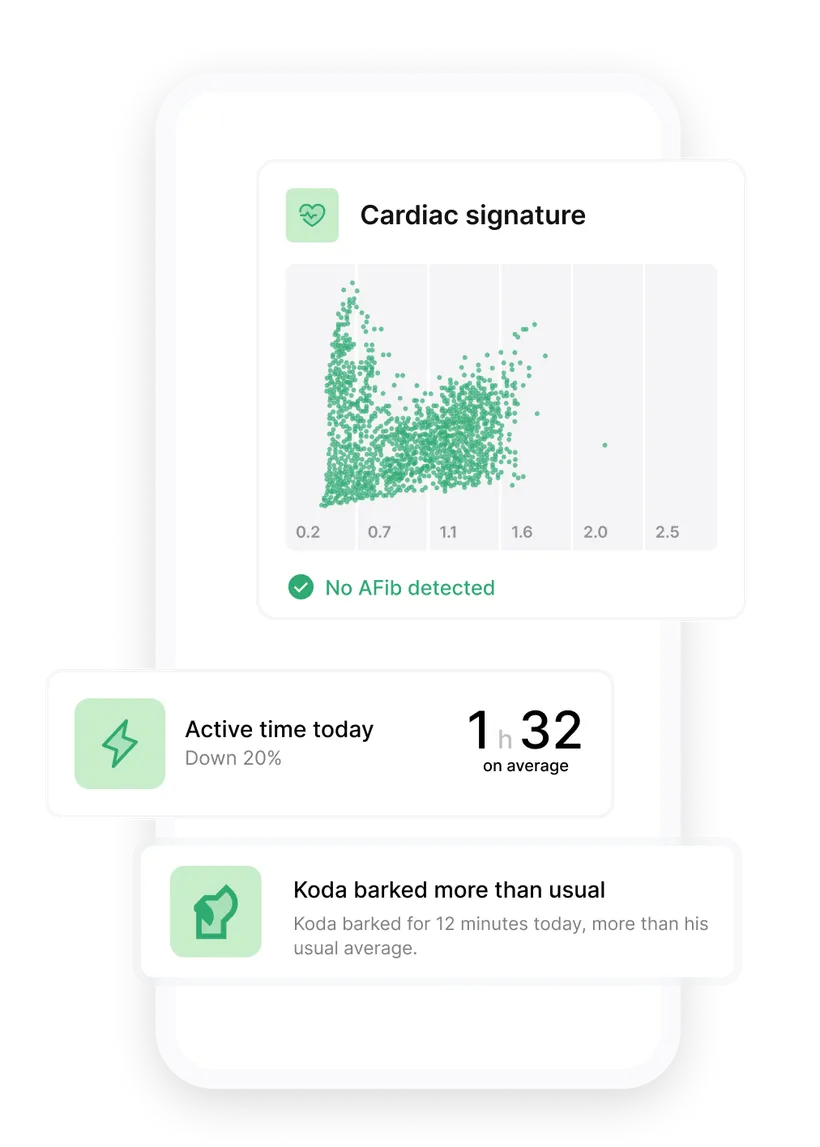
The Biotracker is the first and only dog tracker in the world to detect early signs of atrial fibrillation outside the veterinary clinic, thanks to Heartprint™ technology. It alerts you directly in the app. The earlier it is identified, the more effective the treatment options.
Mitral valve disease and respiratory rate monitoring
Mitral valve disease in dogs (MVD) accounts for more than 75% of acquired canine heart diseases. It particularly affects small breeds (Cavalier King Charles, Chihuahua, Bichon, Poodle) and progresses over several years.
Monitoring a dog's resting respiratory rate is the most reliable indicator for assessing MVD progression and treatment effectiveness. A rate above 30 breaths per minute in a sleeping dog is a warning sign.
The Biotracker measures this rate automatically and alerts you as soon as an unusual threshold is crossed. For dogs on heart medication, this continuous monitoring also makes it possible to adjust dosages, especially diuretics, using objective data collected over several weeks.
At-home heart monitoring: the essential complement to the veterinary consultation
An ECG during a consultation lasts only a few minutes, in a context that is often stressful for the animal. At-home dog heart monitoring offers what the consultation cannot: a continuous view in the dog's natural environment, at rest and during sleep.
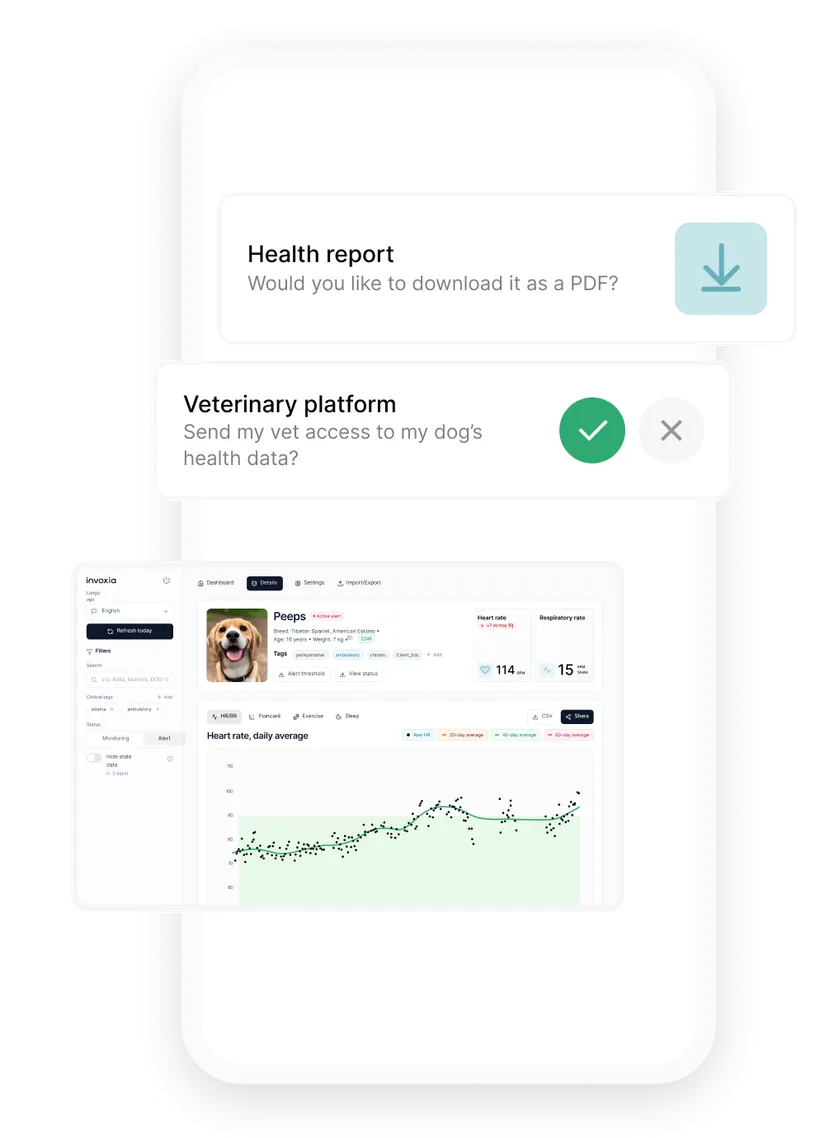
By sharing the heart history directly from the Invoxia app, the owner arrives at the consultation with data spanning several weeks, information that the veterinarian cannot obtain anywhere else, and which enables a more precise diagnosis and truly personalized medical follow-up.