

Your dog is breathing fast while lying on their cushion, or panting without having run. Is it normal, or should you call the vet?
A dog who pants after a walk, in hot weather or when excited is breathing fast for a good reason: it’s how they cool down. On the other hand, fast breathing at rest or during sleep, above 30 breaths per minute, deserves your attention, especially if it lasts or comes with other signs.
Why dogs pant #
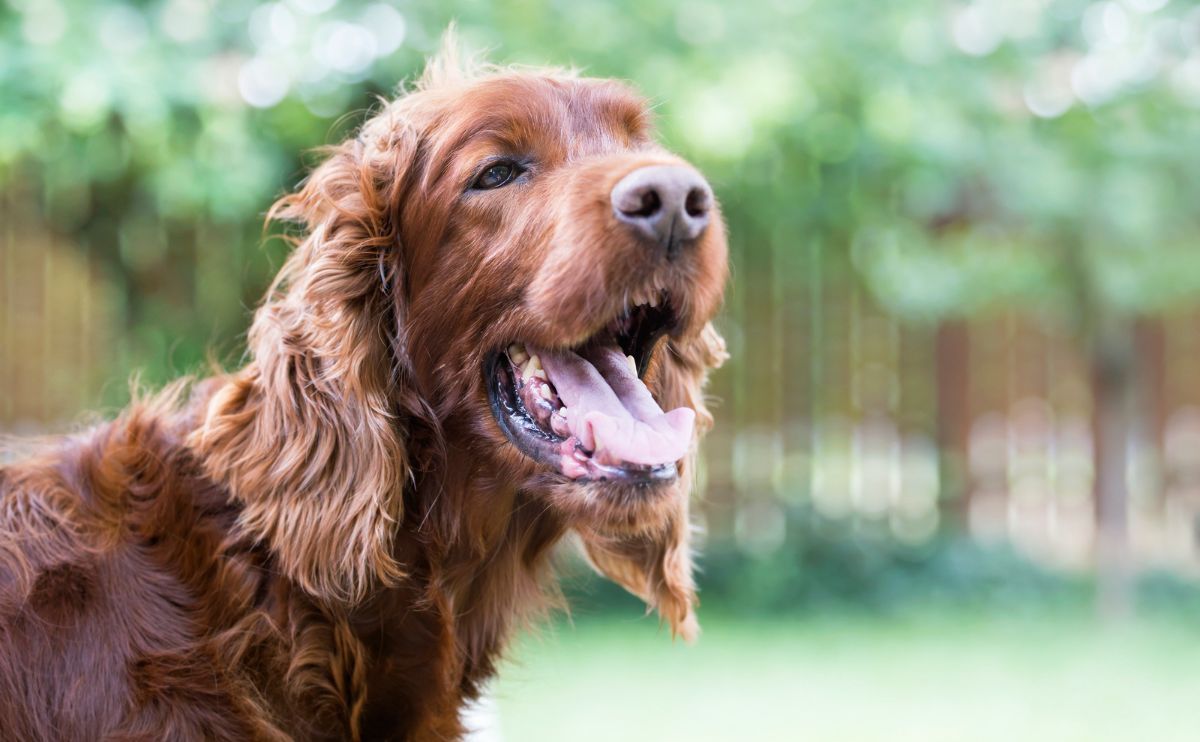
Dogs sweat very little. To release heat, they pant: they breathe fast with their mouth open to cool their body through evaporation. As veterinarian Sophia Catalano explains on PetMD, this panting is normal as long as it matches the situation:
- after exercise, a run or a game;
- when it’s hot, in the car or in an overheated room;
- when they’re excited, when you come home or before a walk;
- when they’re stressed or anxious, at the vet or during a thunderstorm.
In these cases, breathing returns to normal a few minutes after the cause has gone. Short-nosed dogs, such as bulldogs or pugs, pant more easily and cope poorly with heat: keep a closer eye on them.
Normal breathing rate in dogs #
At rest or during sleep, a healthy dog takes between 15 and 30 breaths per minute, according to VCA Animal Hospitals. During sleep, the rate is usually a little lower.
A lower rate is not a concern if your dog is behaving normally. A rate that stays above 30 at rest, however, is considered abnormal. Some vets use a slightly different threshold depending on the dog: ask yours which one applies.
The AI-Collar study, led by Prof. Valérie Chetboul and her teams on more than 700 dogs using the Biotracker, uses the same benchmark: above 30 breaths per minute in a sleeping dog, breathing is a warning sign.
How to count your dog’s breathing rate #
It takes one minute, and the best time is while your dog is asleep.
- Wait until your dog is asleep or resting calmly, away from any heat source.
- Watch their chest: one breath in and one breath out count as one breath.
- Count for 30 seconds, then multiply by two.
To learn your dog’s usual values, VCA Animal Hospitals recommend counting once a day for a week. Write each reading down: the trend over several days matters more than a single value.
If the rate is high, count again several times over the next two hours. If it stays above 30, call your vet.
🐾 The Biotracker counts for you
No more stopwatch or notebook: the Biotracker measures your dog's resting breathing rate, day and night, and compares it to their own usual values. If their resting breathing moves away from their usual pattern, you get an alert in the app. It gives you a concrete benchmark to show your vet, never a replacement for their advice.
Why your dog is breathing fast at rest #
A dog who breathes fast when they’re not hot, haven’t been running and have no reason to be excited is not panting to cool down. According to PetMD, panting at rest or during sleep is often abnormal. Several causes are possible, and only your vet can tell them apart.
Pain or discomfort. A dog in pain, or feeling nauseous, often pants more. Sometimes it’s the only visible sign of pain they’re hiding.
A fever or respiratory infection. An infection such as pneumonia can speed up breathing. If your dog is also coughing, the signs of a cough that needs a vet visit will help you take stock.
A heart problem. According to VCA Animal Hospitals, an increasing resting breathing rate is one of the signs of congestive heart failure, along with coughing at rest, tiredness and reduced stamina. In a dog with heart disease, it’s one of the markers your vet will ask you to monitor at home, and the early signs of heart failure are worth knowing.
A medication. Some treatments, such as corticosteroids, can make a dog pant even without heat or stress. If your dog is taking any, tell your vet.
A hormonal disease. Some conditions, such as Cushing’s disease, come with frequent panting.
Heatstroke. A dog who pants very hard after exercise in hot weather, in a car or in an overheated room, may be overheating. It’s an emergency: move them somewhere cool, wet them with cool water, offer them water to drink and call your vet. The right moves during a heatwave also apply to a car or an overheated home in winter.
When should you call the vet? #
Call your vet the same day if:
- their resting breathing rate stays above 30 per minute after several readings;
- it increases from one day to the next, even while staying below 30;
- they often pant at rest, without heat or exercise;
- they’re coughing, tiring more quickly or eating less.
See a vet immediately if:
- they’re struggling to breathe, breathing with their belly pulled in or their neck stretched out;
- their gums or tongue are gray, blue or bright red;
- they’re very restless or, on the contrary, lethargic and unresponsive;
- they’re trembling, collapse or lose consciousness;
- they’re panting very hard after getting overheated.
Outside your clinic’s opening hours, go to an emergency veterinary hospital.
What daily monitoring helps you notice #
Fast breathing during a single night says little. A resting breathing rate that rises a little more each night, however, is a sign you can’t see with the naked eye, especially while you’re asleep yourself.
The Biotracker continuously measures your dog’s resting breathing rate and resting heart rate, as well as their activity and sleep. It compares each night to their own usual patterns rather than to a general average: a gradual increase over several nights becomes a concrete marker you can show your vet. The Biotracker does not make any diagnosis: it helps you know when to ask for your vet’s advice.
💡 Good to know
If your dog is being treated for heart disease, your vet may ask you to measure their resting breathing rate every day. VCA Animal Hospitals then recommend at least one reading a day. Write them down, or show your vet the history in the app: the trend helps them adjust the treatment.

FAQ — dog breathing fast #
How many breaths per minute is normal for a dog? #
At rest or during sleep, between 15 and 30 breaths per minute. During sleep, the rate is usually a little lower. If it’s repeatedly above 30, talk to your vet.
My dog breathes fast while sleeping. Is it serious? #
Not necessarily: a dog may breathe faster for a few seconds while dreaming. Count their breathing when they’re deeply asleep and calm. If it stays above 30 per minute, or rises over several nights, call your vet.
Why does my dog pant at night? #
A room that’s too warm, a bed next to the radiator or stress can explain it. But frequent panting at rest or at night, with no obvious reason, can also signal pain or a heart or hormonal problem. Talk to your vet.
Is a panting dog always hot? #
No. Panting is mainly a way to cool down, but dogs also pant when they’re excited, stressed, in pain or taking certain medications.
How can I tell if my dog is struggling to breathe? #
Watch their belly and neck: a dog who is working hard to breathe tightens their belly, stretches their neck or breathes with their mouth open at rest. Gray or blue gums are an emergency sign.
In short #
A dog who pants after exercise, in hot weather or when excited is breathing fast to cool down: that’s normal. At rest or during sleep, their breathing rate should stay between 15 and 30 per minute. Count it while they sleep, write your readings down and call your vet if it stays above 30, rises over several days, or other signs appear. Difficulty breathing or gray or blue gums are an emergency.