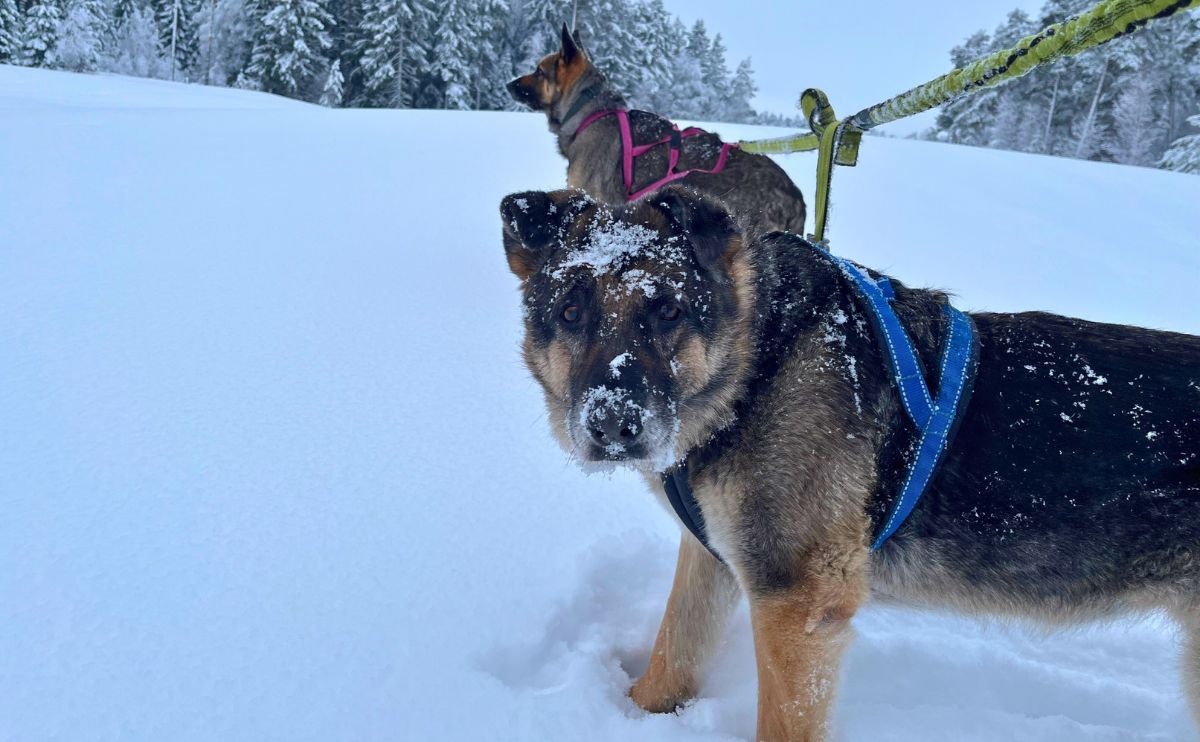

Winter profoundly changes the daily life of our dogs. Cold, snow, humidity, and shorter days directly influence their activity level, comfort, and sometimes even their health. Adapting winter routines for your dog is therefore essential to continue meeting their needs properly.
Many owners then ask the same question: how to take care of your dog in winter? We provide a comprehensive answer, with all the best practices and concrete advice to apply daily!
Why adapt your dog’s routines in winter? #
Even when they seem in great shape, dogs are affected by the cold. Low temperatures can weaken certain areas of the body and alter their usual behaviors. In winter, the most common risks include:
- irritation or lesions on the pads caused by ice and de-icing salt;
- decreased physical activity, sometimes accompanied by weight gain;
- increased joint pain, especially in older dogs;
- more pronounced fatigue or a temporary drop in immunity.
The environment plays a key role in the overall balance of the animal. Adapting their winter routines helps prevent these inconveniences rather than reacting too late.
Adapting outings and physical activity in winter #
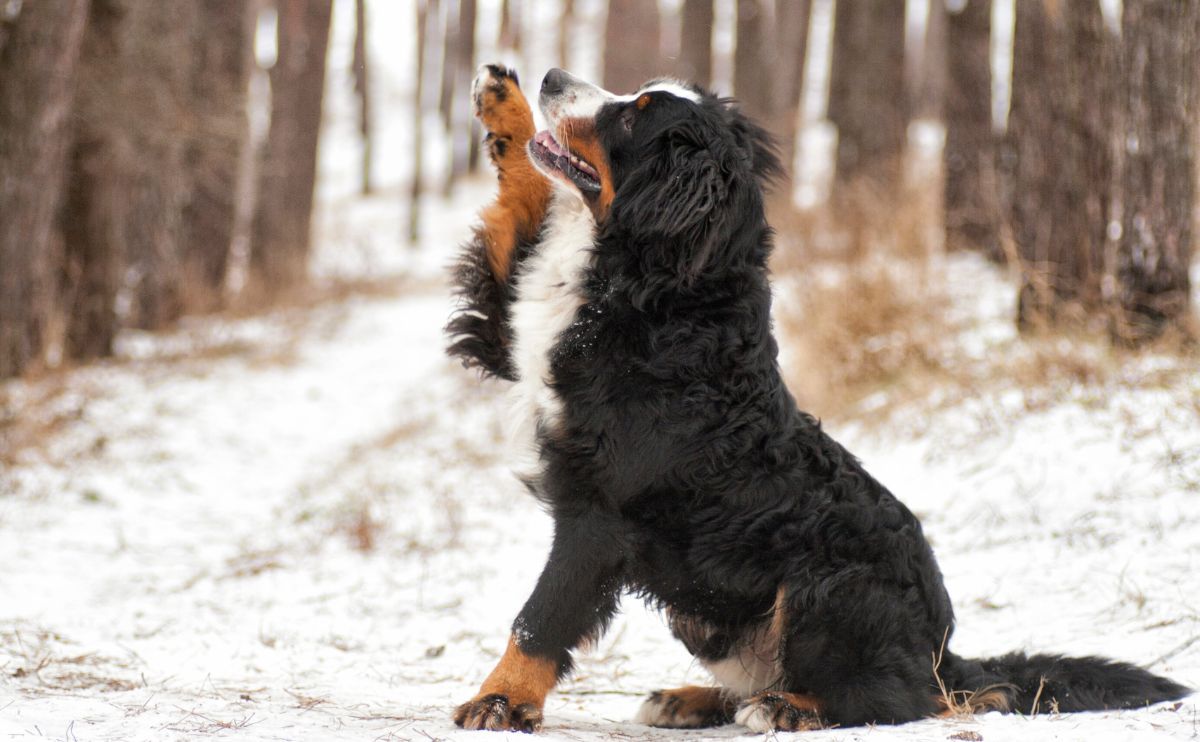
Walks remain essential in winter. They contribute as much to the dog’s physical health as to their mental balance. However, their organization must evolve with the season.
Instead of long outings that expose the dog to the cold for extended periods, it is recommended to opt for shorter walks, but better distributed throughout the day, ideally during the warmest hours.
When the weather becomes too challenging, it is essential to maintain sufficient stimulation at home. This can include:
- occupation or thinking games;
- scent exercises or object searches;
- short training or command reinforcement sessions.
These activities effectively complement outings and limit boredom or frustration related to reduced outdoor activity.
Protecting your dog from the cold: a pillar of winter routines #
Certain areas of the body are particularly exposed in winter, starting with the pads. Repeated contact with snow, ice, or salt can cause irritation, cracks, or even chemical burns.
To limit these risks, several simple actions can be integrated into the routine:
- apply a protective balm before walks;
- rinse the paws upon return to remove salt and irritating residues;
- dry thoroughly between the toes to prevent chapping.
The question of a coat also frequently arises. Not all dogs need one, but some profiles clearly benefit from the added comfort, notably:
- small dogs;
- older dogs;
- short-haired or hairless dogs.
Routines to adopt after a walk #
Returning home is a key moment in the winter routine. Taking a few minutes to check the dog’s general condition can prevent many discomforts.
After each winter outing, perform the wellness checklist:
- dry the coat and paws, focusing on wet areas;
- check for redness, cracks, or small injuries;
- remove any snow clumps caught in the fur.
These simple actions, recommended by many veterinarians and animal protection associations, promote better daily prevention.
Adapting diet and hydration in winter #
Contrary to some misconceptions, winter does not necessarily imply an increase in food rations. It all depends on the dog’s activity level. A less active dog, but fed the same way, can quickly gain weight.
Animal nutrition specialists mainly recommend:
- regularly monitoring weight changes to avoid canine obesity;
- adjusting quantities if activity decreases;
- ensuring sufficient hydration, with always clean and non-icy water.
Even in winter, hydration remains essential for the body’s proper functioning.
Providing a comfortable indoor environment #
With the drop in temperatures, dogs naturally spend more time indoors. Providing them with a suitable environment directly contributes to their well-being.
An ideal resting space should:
- be insulated from the floor and drafts;
- be located in a quiet area;
- offer a stable temperature, without excessive heating.
Older dogs or those sensitive to the cold are particularly receptive to these adjustments, which promote better recovery and quality sleep.
Dogs most sensitive to the cold #
Not all dogs are equal when it comes to winter temperatures. Some profiles require increased vigilance, notably:
- puppies;
- senior dogs;
- dogs with chronic illnesses or in recovery.
While age and health play an important role, certain breeds are known to be more sensitive to the cold due to their morphology or coat type.
This is particularly true for small or short-haired dogs, which have fewer body heat reserves. Think of the Chihuahua, French Bulldog, Pinscher, or Whippet. These dogs can quickly feel discomfort from the cold, especially during prolonged outings or in wet weather.
Senior dogs, regardless of breed, are also more vulnerable. An aging Labrador Retriever or German Shepherd, though known for their robustness, may suffer more from joint stiffness in winter and require adapted routines.
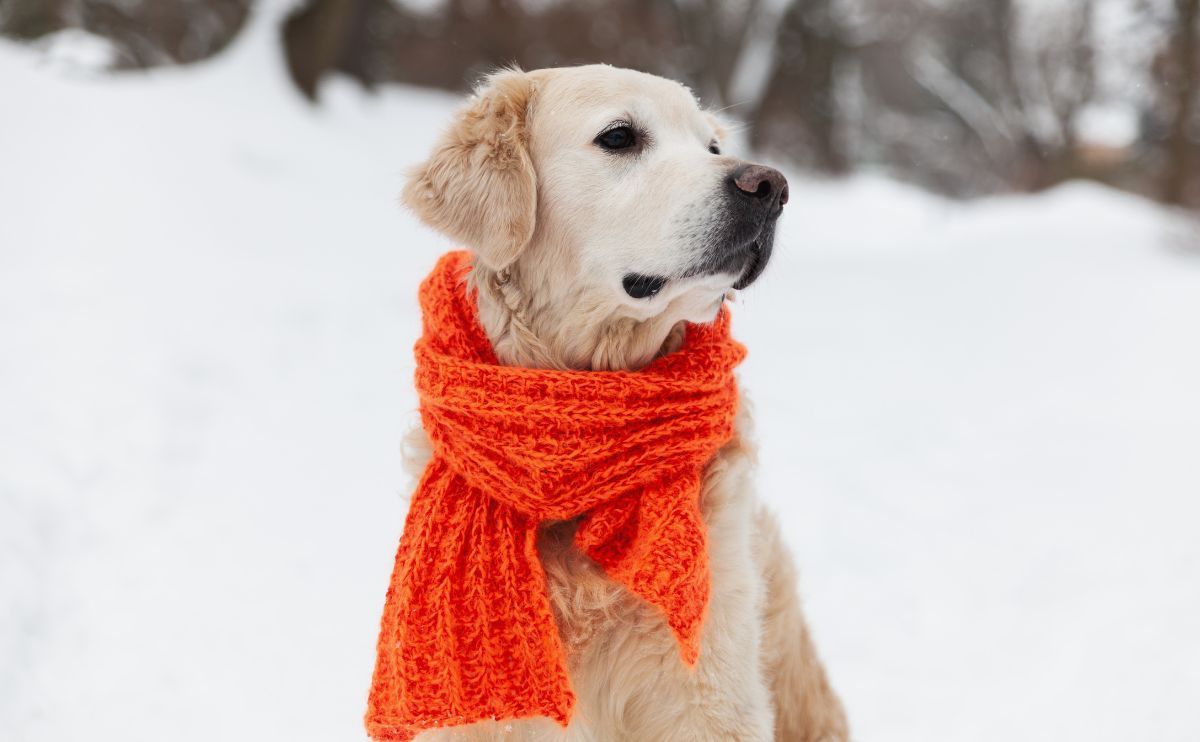
Conversely, some breeds are naturally better equipped to face winter temperatures. Dogs with a dense double coat, historically selected for cold climates, are generally less sensitive to the cold. This is the case for the Siberian Husky, Alaskan Malamute, Samoyed, or Akita Inu.
Winter and well-being: signs to watch for #
Even with well-thought-out routines, some signals should alert owners. In winter, it is important to stay attentive to:
- persistent shivering;
- limping or unusual stiffness;
- marked fatigue;
- sudden behavior changes.
These signs may indicate that the cold is affecting the dog more than it should. In this case, a veterinary consultation is strongly recommended.
Sometimes, these signals may even be invisible. In this case, the technology of the Invoxia Biotracker proves to be a valuable asset for detecting any change: behavior, activity, cardiovascular health… Nothing escapes it!
In summary: finding the right balance in winter #
Taking care of your dog in winter is about balancing adapted outings, protection from the cold, maintaining sufficient stimulation, and indoor comfort.
By combining:
- adapted walking routines;
- special attention to pads and coat;
- adjusted diet;
- and a comfortable indoor environment,
winter becomes a season perfectly compatible with your companion’s well-being. Well-prepared, it can even become a special moment of bonding, even when snow becomes part of daily life ❄️🐾