

Your dog is scratching on the sofa in the evening, nibbling at their lower back, shaking off, then starting all over again. Is it just an itch, or fleas? How can you tell for sure, and above all, how do you get rid of them for good, both on your dog and around the house?
Fleas are parasites that feed on your dog’s blood and cause itching, sometimes even a skin allergy. To check whether your dog has fleas, run a fine-toothed comb through their coat over a damp sheet of white paper: black specks surrounded by a red halo are flea droppings. To get rid of them, treat every pet in the household with a parasite treatment chosen with your vet, and treat your home at the same time, because that is where most of the fleas live.

Why fleas don’t go away when summer ends #
Contrary to popular belief, fleas aren’t just a warm-weather problem. Across Europe, the species most often found on dogs is actually the cat flea, Ctenocephalides felis. According to the ESCCAP guidelines on ectoparasites, flea larvae develop outdoors from spring to autumn, but all year round in heated homes.
In other words, when the heating comes back on in October, the fleas that moved in over the summer find ideal conditions to keep their life cycle going. That’s often when an infestation that went unnoticed suddenly becomes obvious.
The flea life cycle: what’s happening out of sight #
To understand why fleas are so hard to get rid of, you need to look at the whole cycle. Adult fleas live on your dog and feed about once a day. A female lays around twenty eggs a day on average, and up to fifty. These eggs don’t stay stuck to the coat: they fall to the floor, wherever your dog sleeps, walks and lies down.
The eggs hatch into larvae that avoid light and hide deep in carpet fibres, under skirting boards or in the gaps between floorboards. They then spin a cocoon, inside which the future flea can wait more than six months before emerging. Warmth, humidity, the vibration of footsteps and the carbon dioxide of a passing animal are what wake it up.
The same ESCCAP guidelines draw a simple conclusion: in an infested home, eggs, larvae and cocoons make up most of the flea population, and the adults you can see on your pet are only a small part of it. Depending on conditions, it takes 14 to 140 days to go from egg to adult.
How can you tell if your dog has fleas? #
Scratching is usually the first sign, but it isn’t enough on its own: dogs scratch for plenty of other reasons, and some dogs carrying fleas barely scratch at all. Signs that should put you on the trail:
- your dog scratches, nibbles or licks themselves more than usual;
- sudden jumps or yelps, as if they’d been bitten;
- tiny black specks in the coat, especially at the base of the hairs;
- redness, scabs or patches where the hair is thinning;
- at home, bites on your own ankles when you walk into a room that has been closed for a while.
The comb and white paper test #
This is the most reliable method you can use at home. ESCCAP experts consider combing the most sensitive way to detect fleas. Run a fine-toothed flea comb through your dog’s coat over a sheet of white paper. Then moisten the little black specks you’ve collected: if they spread into a red halo, they’re flea droppings, full of digested blood.
The reverse isn’t true, though: finding nothing doesn’t prove there are no fleas, because dogs remove some of them while grooming. If your dog keeps scratching and you can’t find anything, talk to your vet. This test also helps you tell fleas apart from heavy shedding that leaves hair everywhere, two situations that can look alike at first glance.
What are the health risks for your dog? #
For most dogs, fleas are mainly uncomfortable, but that’s not the whole story.
Flea allergy dermatitis (FAD). In some dogs, flea saliva triggers an allergic reaction. ESCCAP describes it as one of the most common skin diseases in dogs and cats: intense itching, hair loss, dandruff, scabs and sores that can become infected. In an allergic dog, just a few bites are enough to set the itching off again.
Tapeworm. Fleas carry a flatworm, Dipylidium caninum. According to the ESCCAP guideline on worm control in dogs and cats, dogs become infected by swallowing fleas while nibbling or grooming themselves. You may spot small white segments in the stools or around the anus, which look like grains of rice once dry, or see your dog scooting their bottom along the floor. A dewormer treats the worm, but only flea control stops it from coming back.
Anaemia. A heavy infestation can lead to anaemia, especially in puppies, very old dogs or dogs that are already unwell. A heavily infested puppy that looks pale or listless should see a vet quickly.
To know which signs mean you should see your vet without waiting, keep this list of dog symptoms you should never ignore close at hand.
How to get rid of fleas, on your dog and in your home #
The golden rule fits in one sentence: treat every pet and the home, at the same time. Treating your dog alone only removes the visible part of the problem, while cocoons keep hatching in the living room.
On your dog: the right treatment, renewed on time #
Flea treatments come as spot-ons, tablets or collars. The right one depends on your dog’s age, weight, lifestyle (swimming, children at home) and any allergies, so it’s a choice to make with your vet. A few rules prevent most failures:
- give the dose intended for your dog’s weight, no more and no less;
- renew the treatment on schedule, as a single application is rarely enough;
- avoid bathing or swimming right after a spot-on, as it makes it less effective;
- treat all the dogs and cats in the household at the same time.
One important warning if you also have a cat: never use a dog flea treatment on your cat without your vet’s advice. ESCCAP points out that some of these products are fatal to cats.
In your home: focus on where your dog rests #
ESCCAP recommends concentrating environmental treatment on the places where your pet spends the most time. In practice:
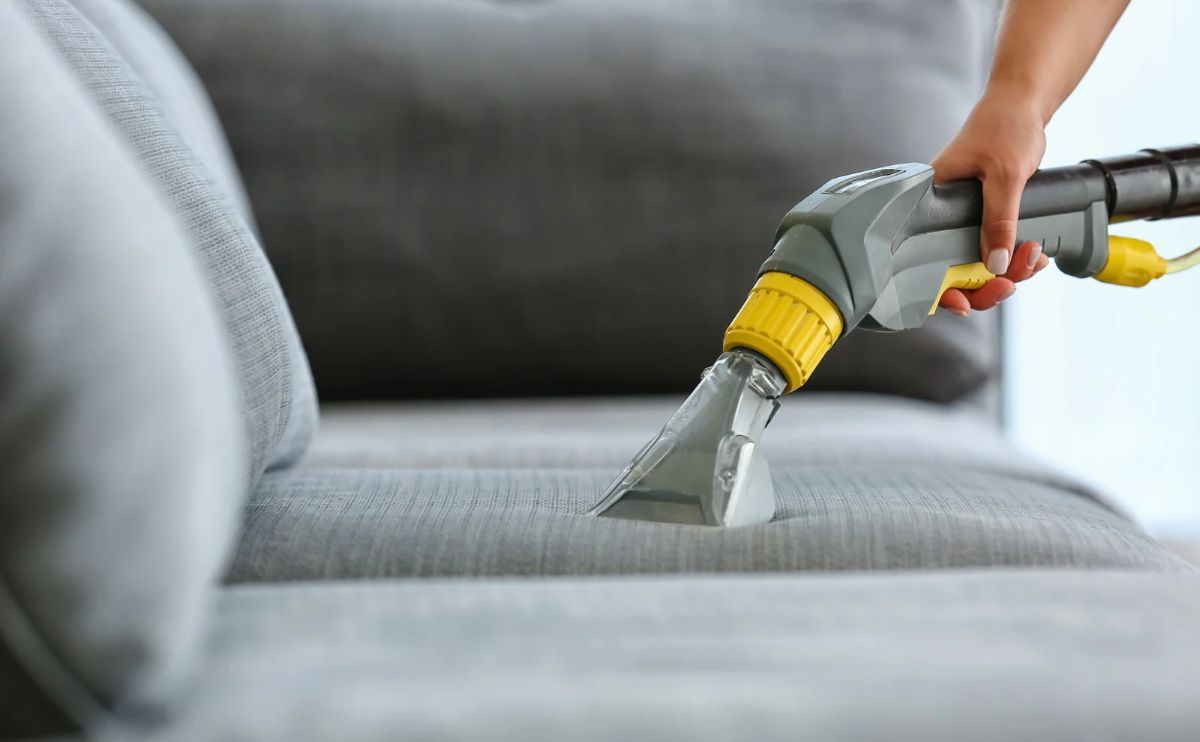
- vacuum rugs, sofas and your dog’s sleeping spots every day, as Health Canada advises;
- regularly wash their bed, cushions and blankets on a hot cycle;
- don’t forget the car, the boot and the kennel, which are easy to overlook;
- ask your vet for a household product, or a treatment that also stops eggs and larvae from developing.
Expect it to take several weeks for the last fleas to disappear: cocoons already in your home keep hatching for a while, which is why it’s important not to stop treatment too soon.
What about essential oils? #
Many owners look for a natural solution. Caution is essential here: some essential oils are toxic to dogs. The American College of Veterinary Pharmacists warns against tea tree oil: applied undiluted, as few as seven to eight drops on the skin can seriously poison a dog or cat, causing weakness, tremors, difficulty walking and a drop in body temperature. Before putting anything on your dog, ask your vet.
Keeping fleas away all year round #
For a dog that goes out a lot, meets other animals or lives with an outdoor cat, ESCCAP experts consider that year-round protection may be needed, especially in a heated home. Your vet will help you build a schedule that also covers ticks: the same uninterrupted protection is what helps prevent babesiosis and other tick-borne diseases, which are particularly common in autumn.
It’s also worth getting into the habit of a quick comb-through when your dog comes back from boarding or from staying with friends who have pets.
Spotting the restless nights of a dog who scratches #
A dog who scratches a lot often sleeps less well. That broken sleep easily goes unnoticed while the rest of the household is asleep.
Because these small changes often happen at night, daily health tracking helps you notice them. Worn all the time, Invoxia’s Biotracker records your dog’s activity and sleep, as well as their heart and breathing rates at rest. Nights that become more restless than usual are a concrete signal to mention to your vet, and to keep an eye on once treatment has started, to see whether sleep settles down again.
The Biotracker doesn’t detect fleas and doesn’t make any diagnosis: it gives you measurable benchmarks of what’s normal for your dog. Light (37 g) and waterproof, it lasts up to 8 days between charges. To go further, find out how to monitor your dog’s health every day.
💡 Good to know
From the app, you can invite your vet to follow your dog's data on Biotrack, which is free for vets. For a dog with flea allergy dermatitis, your vet can then follow changes in sleep and activity between appointments.
With the Health record, you can also keep track of each flea treatment, and send symptoms such as scratching or poorer sleep straight to your vet, so fleas can be spotted as early as possible.
FAQ: fleas in dogs #
Can dog fleas bite humans? #
Yes, occasionally. Fleas prefer to stay on the animal, but when lots of young fleas hatch at once, for example in a room that has been closed for a while, they can bite the people there. Treating your dog and your home solves the problem at the source.
Can my child catch tapeworm from the dog? #
It’s possible but uncommon. According to the MSD Manual, infection happens when a young child swallows an infected flea; it usually causes no symptoms and clears up on its own. Controlling your dog’s fleas is the best way to prevent it.
How long does it take to get rid of fleas? #
Usually several weeks. Treating your dog kills the adult fleas, but cocoons hidden around the house can keep hatching for a while. That’s why you need to keep up the treatment and the vacuuming, rather than stopping as soon as the first fleas disappear.
Should I treat my cat if only my dog has fleas? #
Yes. European guidelines recommend treating all the dogs and cats in the household at the same time, even those that aren’t scratching. Use a product made for cats: some dog flea treatments are dangerous for them.
In short #
Fleas feed on your dog’s blood and cause itching, skin allergies and sometimes tapeworm. They don’t disappear when summer ends: in a heated home, their cycle continues all winter, and most of the population lives in the environment, not on your dog. To spot them, the comb test over damp white paper remains the simplest method. To get rid of them, treat every pet in the household with a product chosen with your vet, treat your home at the same time and stick to the schedule over time. If in doubt, especially with a puppy or a dog scratching until they bleed, see your vet.