

Less known than its cousin Pembroke, the Cardigan Welsh Corgi is gaining popularity. With its elongated body, bushy tail, and lively gaze, this dog from Wales is increasingly winning over families looking for an intelligent and loyal companion.
Often confused with the Pembroke, the Cardigan Welsh Corgi stands out for its older history and calmer temperament. In this comprehensive article, discover its origins, characteristics, behavior, health, education, lifestyle, and the costs to consider for adoption.
Origins of the Cardigan Welsh Corgi #
To understand the Cardigan Welsh Corgi, one must go back to the moors of Wales, where it was selected to drive cattle over rough terrain. This history explains both its morphology and its mentality.
Descended from Celtic shepherd dogs, the Cardigan Welsh Corgi is considered one of the oldest British breeds. Its long and low construction is not an aesthetic whim: it allowed it to slip under hooves to avoid kicks while herding the flock. Standard and historical references are available from recognized canine organizations such as the The Kennel Club (UK) or the AKC.
Physical Characteristics of the Welsh Corgi Cardigan #
Its compact silhouette and solid bone structure betray its past as a working dog. This section presents its measurements, coat, and specific features.
Size and Weight of the Welsh Corgi Cardigan #
The Cardigan Corgi is slightly larger and more robust than the Pembroke. The values below are indicative and may vary depending on the individual and lineage.
| Gender | Height at withers | Average Weight |
|---|---|---|
| Male | 12 to 13 inches | 31 to 37 pounds |
| Female | 11 to 12 inches | 26 to 33 pounds |
Monitoring the ideal weight is crucial: excess weight weakens the back and joints. Practical benchmarks are offered by useful public sources like AKC.
Coat Color of the Cardigan Corgi #
The Cardigan offers a wide range of coats:
- Brindle blue, blue merle, fawn, red, black and tan, or sable;
- Always with or without white markings on the head, chest, and legs.
Its double coat (dense undercoat + medium-length outer coat) protects it from cold and moisture while remaining relatively easy to maintain.
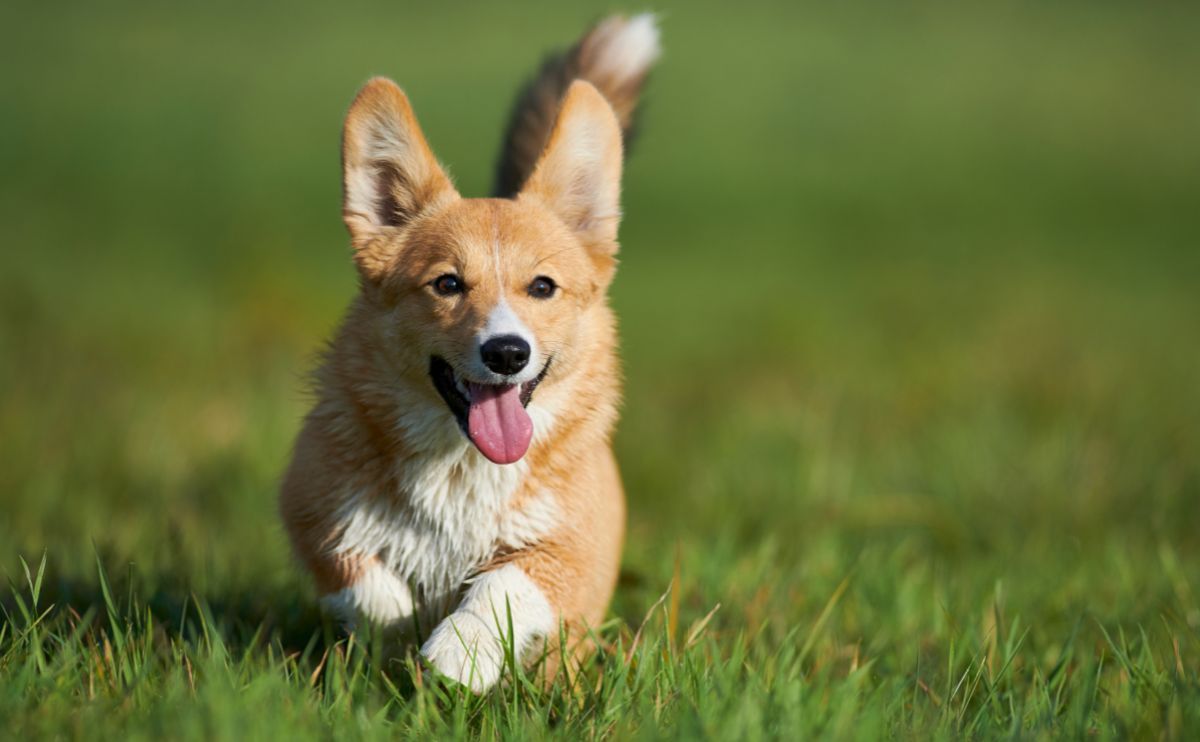
Specific Features of the Welsh Corgi Cardigan #
Beyond its short legs and elongated body, the Cardigan Corgi is recognized by its long and bushy tail, large slightly rounded ears, and robust bone structure. Its biomechanics require vigilance: avoid excessive stairs, repeated jumps, and overweight.
Behavior of the Welsh Corgi Cardigan #
The Cardigan combines great mental availability with true emotional stability. Here’s how this translates into daily life.
Behavior of the Cardigan Corgi with Children #
A calm, protective, and patient dog, the Cardigan Corgi enjoys family life. As with any breed, interactions are supervised (rules of respect for the dog, rest areas) and its exercise and stimulation needs are met.
Behavior of the Cardigan Corgi with Other Animals #
Well-socialized, the Cardigan willingly cohabits with dogs and cats. Its herding instinct may lead it to “gather” (light coursing around ankles): consistent training allows this trait to be channeled without suppressing it.
Health of the Welsh Corgi Cardigan #
A generally robust breed, the Cardigan Corgi does have vulnerabilities related to its long back and structure. Anticipation and prevention make all the difference.
Life Expectancy of the Cardigan Corgi #
Its life expectancy is between 12 and 15 years. Controlled weight, regular exercise, and periodic veterinary check-ups promote longevity.
Common Diseases #
| Disease | Description | Frequency |
|---|---|---|
| Intervertebral Disc Disease (IVDD) | Damage to the vertebral discs causing pain, lameness, or neurological deficit; prevention: ideal weight, avoid jumps (see clinical-practical benchmarks on VCA Hospitals) | High |
| Obesity | Major aggravating factor (back/joints); prevention nutrition + activity (knowledge base MSD Vet Manual) | High |
| Hip Dysplasia | Poor hip congruence, pain/lameness; management: weight control, adapted activity, physiotherapy (health sheet MSD Vet Manual) | Medium |
| Degenerative Myelopathy (DM) | Progressive neurodegenerative condition (hindquarters); genetic screening available depending on lineage (educational reference AKC) | Medium |
| Hereditary Cataract | Lens opacification, vision loss; managed by veterinary ophthalmology | Low |
Training of the Welsh Corgi Cardigan #
The Cardigan excels when training is structured, short, and motivating. Its great receptivity makes it an exemplary student, provided the exercises are varied.
✔️ Positive Training Methods #
Positive reinforcement (food rewards counted in the ration, games, praise) optimizes progress and strengthens the bond. Coercive methods, which are counterproductive and stress-inducing, are avoided.
✔️ Importance of Early Socialization #
Between 2 and 16 weeks, multiply controlled experiences: urban noises, varied surfaces, balanced humans/dogs/cats. This step reduces the emergence of fears and strengthens resilience in adulthood.
✔️ House Training #
Clear routine (outings after sleep/meals/play), active supervision, and immediate reward in the right place are your watchwords. In case of an accident, clean without scolding: the goal is to teach, not to punish.
✔️ Teaching Basic Commands #
With this herding dog, prioritize sit, stay, come, leave it, heel. The secret: progressivity (start with low distractions then increase), generalization (rooms, yard, street), and consistency of signals.
❌ Managing Undesirable Behaviors #
Alert barking, “gathering” of ankles, begging due to greed: anticipate, redirect (mat, target), reinforce alternative behaviors (silence, place).
Training Exercise Examples #
- Recall on a long line in a closed space;
- Targeting (touching a target with the nose) to channel and teach useful chains;
- Agility/Hoopers “low-impact” version;
- Scent games (tracking, treat search).
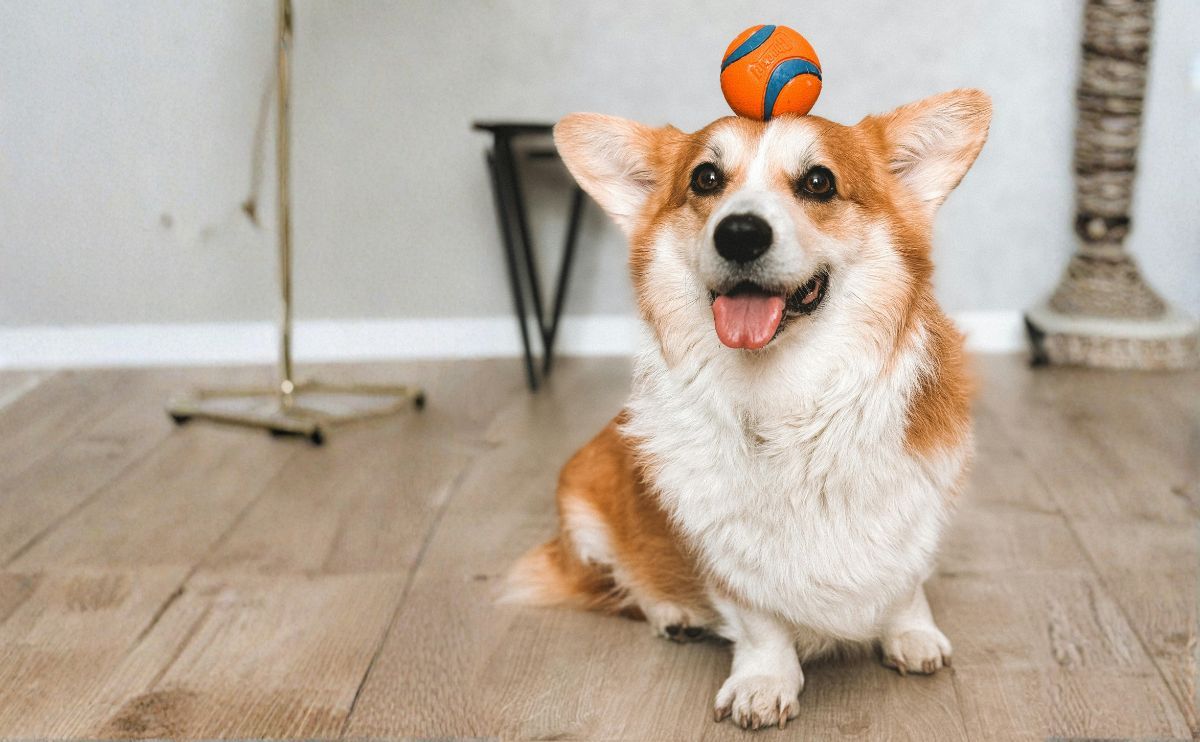
Character and Lifestyle of the Welsh Corgi Cardigan #
Well-framed and stimulated, the Cardigan is a serene companion at home and outdoors. This section specifies the needs for a harmonious daily life.
Physical Activity and Exercise of the Cardigan Corgi #
Aim for 45 to 60 minutes daily spread out (active walks + mental games). Avoid repetitive jumps and instead favor gentle endurance activities, postural strengthening, and cognitive stimulation.
Character of the Welsh Corgi Cardigan Indoors #
After exertion, the Cardigan is calm, close to its social group, and not intrusive. It likes to participate in family life and willingly protects its own… without excess if self-control is worked on.
Welsh Corgi Cardigan: Family and Other Animals #
A loyal and affectionate dog, it is attentive to children and can coexist with other animals if socialization has been well conducted. Gradual introductions remain the golden rule.
Living Environment #
City or countryside, everything suits it if its needs are met: outings, social interactions, games. Apartment living is possible with several quality walks per day. A fenced garden is a plus, but not a condition for happiness.
Grooming and Hygiene of the Welsh Corgi Cardigan #
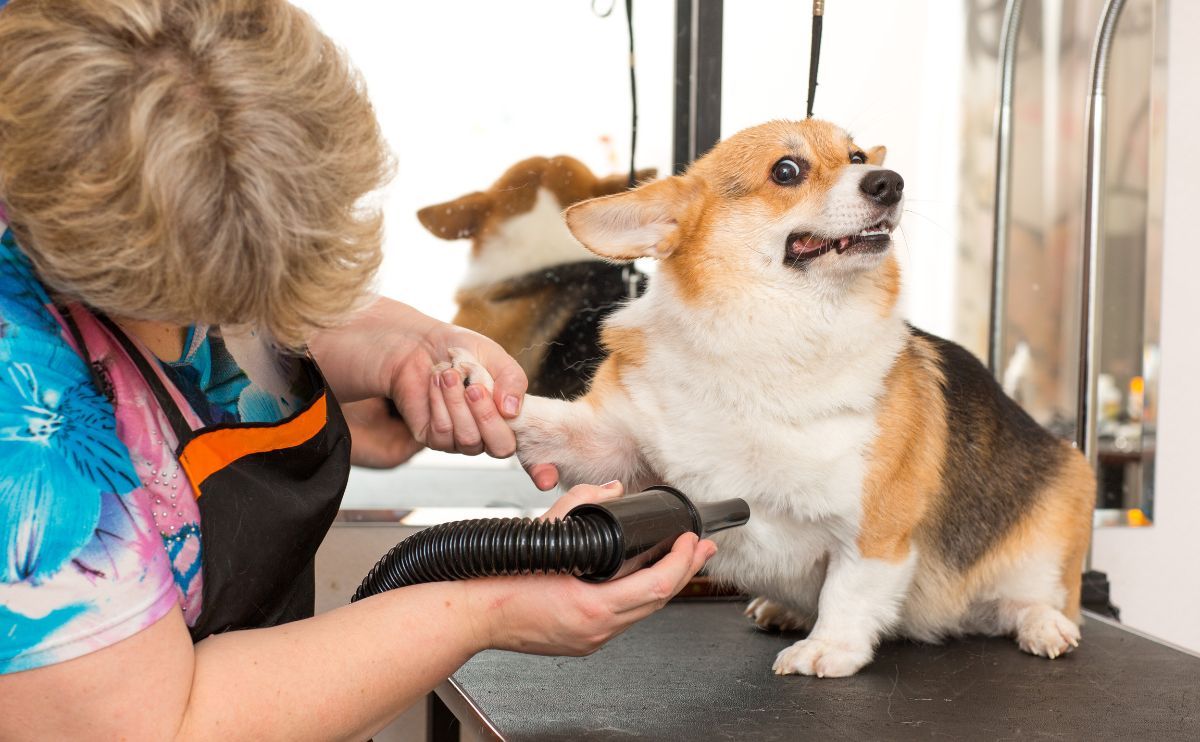
A simple, regular, and preventive protocol is enough to keep a Cardigan in shape. Its two shedding periods per year will require a bit more brushing.
Grooming & Routine Care #
- Brushing: 1–2 times/week (up to 3 times during shedding);
- Ears: regular check and care with a damp tissue or specialized products;
- Teeth: brushing 2–3 times/week, ideally daily;
- Nails: trim if they do not wear down naturally;
Feeding the Welsh Corgi Cardigan #
The goal is twofold: the Cardigan Corgi needs quality nutrition and to maintain its ideal weight. For this:
- Premium kibble adapted (age, activity, sensitivity);
- Two meals/day for satiety;
- Treats counted in the ration;
- Monitoring of the weight curve (BCS). Health-nutrition benchmarks are available in the MSD Veterinary Manual and VCA Hospitals databases.
Adoption and Cost of the Welsh Corgi Cardigan #
Because a dog is a commitment for 12–15 years, this section helps you budget realistically, like your other articles.
Price to Adopt a Welsh Corgi Cardigan #
Depending on lineage, pedigree, breeder reputation, and health tests (hip, DM, eyes), a LOF Cardigan Corgi generally ranges between 1,200 € and 1,800 €, with possible peaks beyond 2,000 € for working/show lines. The rarity of the variety in France may extend the waiting period.
The shelter/association option exists, though rarer: adoption fees 250–400 € and simplified initial veterinary check-up. It’s ethical and offers a second chance.
Annual Cost for Maintenance and Care #
The annual cost of a Cardigan is estimated around 1,200€, which includes:
- Premium food: 400–500 € / year Adapted ration (age/activity), weight control (IVDD/hip prevention).
- Routine veterinary care: 200–300 € / year Vaccines, deworming, antiparasitics, annual check-up.
- Health contingencies (variable): 100–300 €+ / year in provision X-ray/ultrasound, back/joint pain management, physio if needed.
- Pet health insurance (optional): 15–35 € / month (≈ 180–420 € / year) Real interest in costly conditions (back, surgery, hospitalization).
- Maintenance & accessories: 150–250 € / year Grooming, harness, leashes, brushes, nail clippers, hygiene products, occupation toys.
- Education/activities (optional but recommended): 100–300 € / year Group classes, low-impact canine sports, equipment (long line, targets, mat).
The Cardigan Corgi charms with its rare combination: herding intelligence, emotional stability, and family attachment. By meeting its needs (measured activity, ideal weight, positive education), you get a serene, loyal companion in good health for the long term. For active families and committed urbanites alike, the Cardigan Welsh Corgi is a safe choice — provided you anticipate budget, time, and prevention.