

The shepherd dog is one of humanity’s oldest companions. Originally bred to guard and drive herds, shepherd dog breeds are now prized as much for their intelligence and loyalty as for their remarkable working ability.
But they are far from identical: size, energy level, exercise needs… the right choice depends above all on your lifestyle. Discover our top 10 best shepherd dogs, with a quick fact sheet for each breed (size, energy, daily exercise), a comparison table and an FAQ to help you decide.
Characteristics of Shepherd Dogs #
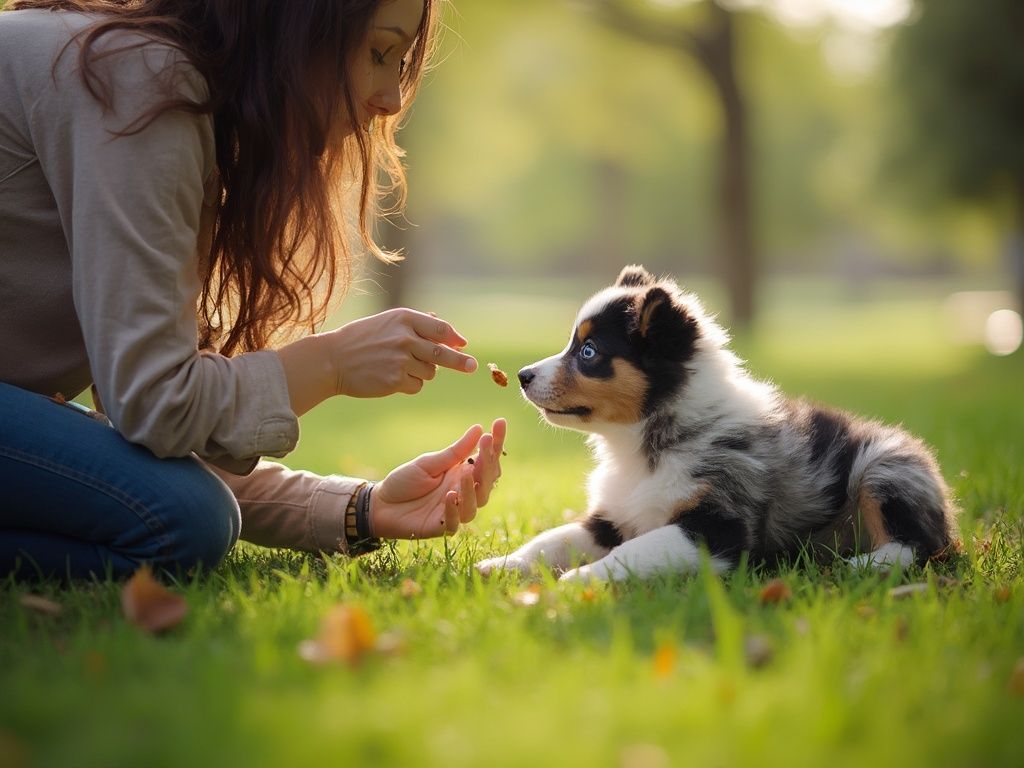
Shepherd dogs are known for their versatility, intelligence, and ability to work in a wide range of environments. Historically bred to protect, drive, and watch over herds, they are now also faithful and reliable companions for families.
Their hardworking nature and great learning ability make them ideal partners for committed owners:
- Exceptional intelligence: shepherd dogs are among the smartest dogs, able to learn quickly and follow complex commands. They excel in obedience, agility and even rescue work.
- Energy and endurance: selected for long working days, they need daily physical activity — often 1 to 2 hours — and regular mental stimulation to stay balanced.
- Loyalty and protection: deeply attached to their family and their herd, they are naturally protective and sometimes wary of strangers, which also makes them good guardians.
- Need for space: some adapt to city life, but all of them thrive with plenty of space to run and exercise their instincts.
- Essential training: their intelligence and energy require consistent training and early socialization, otherwise undesirable behaviors (anxiety, destruction) can appear.
Types of Shepherd Dogs #
| Type of Dog | Description |
|---|---|
| Herding Dogs | These dogs are the leaders of the herds. Thanks to their agility, speed, and ability to understand their owners’ movements, they can effectively lead large groups of animals, such as sheep or cattle. The Border Collie, for example, is known to be one of the smartest dogs, capable of learning hundreds of commands and applying them with remarkable precision. Australian Shepherds are also very popular on farms, with their boundless energy and herding instinct. |
| Guard Dogs | These dogs are often large and bred to protect herds from dangerous predators. Their territorial instinct keeps them always alert, ready to defend their group. The Beauceron is a typical example of a guard dog in France, used to protect herds but also as a personal guard dog. Similarly, the Pyrenean Mastiff is used in the mountains to fend off attacks from large predators. |
| Livestock Guardian Dogs | Rather than actively driving or protecting, these dogs guard the herds by staying with them at all times. Their role is to monitor and ensure safety without being constantly on the move. The Pyrenean Shepherd, for example, is known for its agility on rugged terrain and dedication to its herd. The Cane Corso, on the other hand, is a powerful dog, initially used for farm and animal protection. |
What to Know Before Adopting a Shepherd Dog #
Before adopting a shepherd dog, it is essential to understand its needs and temperament to make sure it fits your lifestyle.
- Activity level: these are very active animals that need daily physical and mental engagement. Without enough exercise, they may develop destructive behaviors.
- Suitable spaces: a large garden or a rural environment is ideal, although some breeds adapt to city life as long as they can burn energy every day.
- Training: training should start early and stay consistent. They learn fast, but need an owner able to stimulate them mentally and give them tasks to accomplish.
- Health and longevity: some breeds are prone to hereditary issues (hip dysplasia in particular). Research the bloodline and plan regular veterinary check-ups.
Top 10 Best Shepherd Dog Breeds #
1. German Shepherd #
The German Shepherd is the most iconic shepherd dog. Versatile, intelligent, and protective, it excels in both guarding missions and herding tasks. Also used by law enforcement, it is a devoted companion with a balanced temperament, suitable for families and professionals alike.
Quick facts — Height: 55–65 cm · Weight: 22–40 kg · Energy: high · Exercise: 1.5 to 2 h/day · Typical daily distance: 8 to 12 km
2. Border Collie #
The Border Collie is recognized as one of the smartest dogs in the world. Energetic and tireless, it shines in agility and remains the king of herding. This dog demands a huge amount of physical and mental activity: it does not suit a sedentary lifestyle, but will delight a sporty owner or a farmer.
Quick facts — Height: 46–56 cm · Weight: 14–20 kg · Energy: very high · Exercise: 2 h+/day · Typical daily distance: 10 to 15 km
3. Australian Shepherd #
The Australian Shepherd charms with its beautiful appearance and playful personality. Affectionate and protective, it is particularly appreciated by families for its friendly temperament. Very energetic, it needs a lot of exercise and daily interaction — it is now one of the most adopted shepherd dog breeds.
Quick facts — Height: 46–58 cm · Weight: 16–32 kg · Energy: very high · Exercise: 1.5 to 2 h/day · Typical daily distance: 8 to 15 km
4. Belgian Malinois #
The Belgian Malinois, famous for its role in the armed forces and police, is an extremely loyal and vigilant shepherd dog. Quick to learn and enduring, it excels at demanding tasks, from protection to herd guarding. Its boundless energy calls for an experienced owner able to channel it.
Quick facts — Height: 56–66 cm · Weight: 20–30 kg · Energy: very high · Exercise: 2 h+/day · Typical daily distance: 10 to 20 km
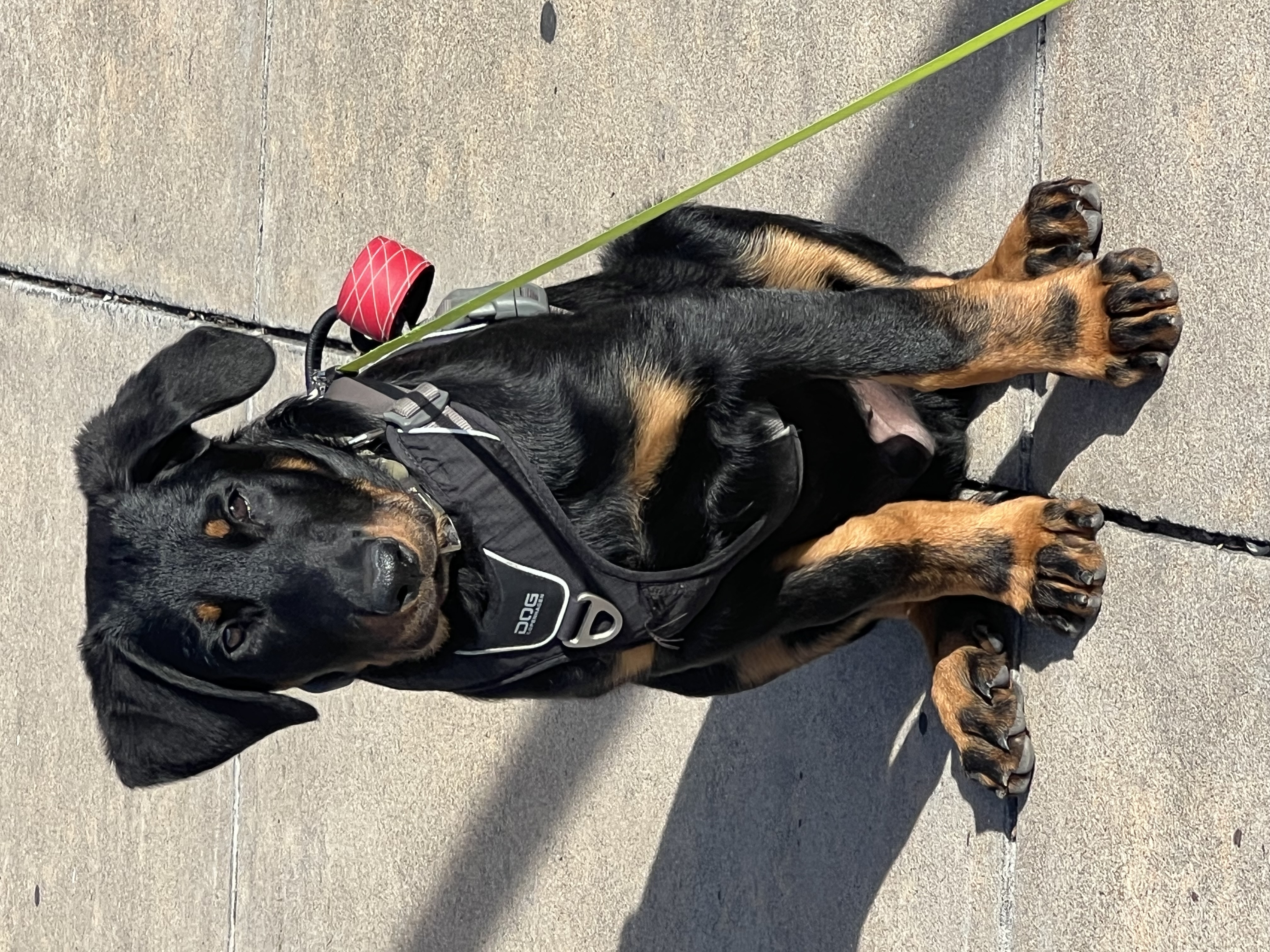
5. Beauceron #
The Beauceron is an impressive French breed known for its size and determination. Historically used for protection and herding, it is also an excellent guard dog for the home. Brave and reliable, it requires a firm and consistent owner able to provide a rigorous framework.
Quick facts — Height: 61–70 cm · Weight: 30–45 kg · Energy: high · Exercise: 1.5 to 2 h/day · Typical daily distance: 8 to 12 km
6. Pyrenean Shepherd #
The Pyrenean Shepherd is a lively, agile dog built for rugged mountain terrain. Small but very energetic, it excels at herding sheep. Intelligent, it requires early socialization and training to avoid becoming overly wary. It is very loyal to its owner and will protect its family at all costs.
Quick facts — Height: 38–48 cm · Weight: 8–15 kg · Energy: very high · Exercise: 1.5 h/day · Typical daily distance: 6 to 10 km
7. Cane Corso #
The Cane Corso is an Italian breed historically used to guard farms and herds. Powerful, with a highly developed protective instinct and dominant by nature, it requires firm training from a young age. Despite its imposing build, it is a very loyal dog, devoted to its owner.
Quick facts — Height: 60–68 cm · Weight: 40–50 kg · Energy: moderate to high · Exercise: 1 to 1.5 h/day · Typical daily distance: 5 to 8 km
8. Australian Kelpie #
The Australian Kelpie is renowned for its boundless energy and independence. Bred to guide sheep in challenging environments, it can work for hours without tiring thanks to its outstanding agility and intelligence. Ideal for farmers or very active owners, it can be difficult to manage without experience.
Quick facts — Height: 43–51 cm · Weight: 11–20 kg · Energy: very high · Exercise: 2 h+/day · Typical daily distance: 10 to 20 km
9. Shetland Sheepdog #
The Shetland Sheepdog, or Sheltie, is a small but energetic and intelligent shepherd dog. Able to guide herds with agility and precision, it is also very popular in agility competitions and with families. Affectionate and loyal, it is an ideal companion for children.
Quick facts — Height: 33–41 cm · Weight: 6–12 kg · Energy: high · Exercise: 1 h/day · Typical daily distance: 5 to 8 km
10. Welsh Corgi (Pembroke) #
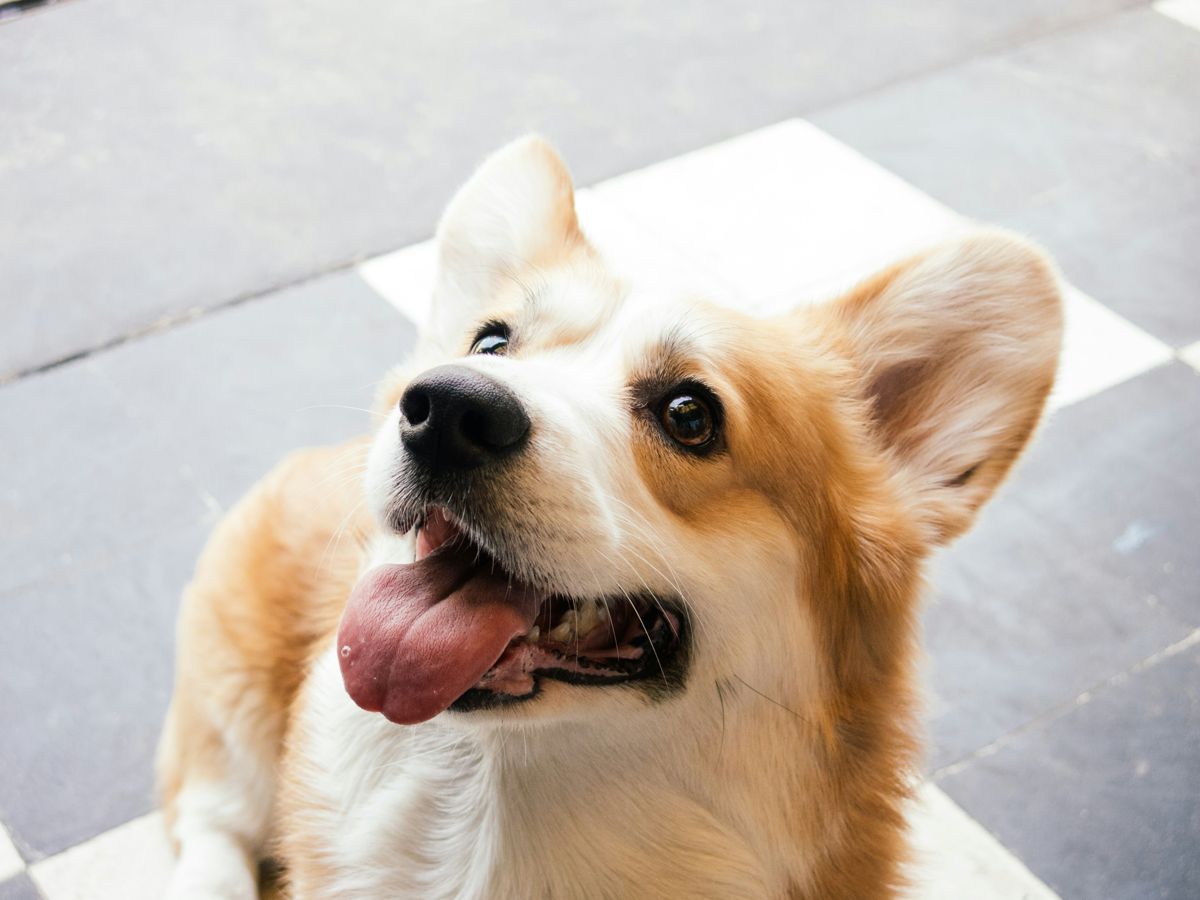
The Welsh Corgi (Pembroke), although smaller than most other shepherd dogs, is an excellent herder: its compact, sturdy body lets it guide livestock with agility. It is also an affectionate and cheerful family dog, highly valued as a companion.
Quick facts — Height: 25–30 cm · Weight: 9–14 kg · Energy: moderate · Exercise: 45 min to 1 h/day · Typical daily distance: 4 to 6 km
Which Shepherd Dog Breed to Choose? The Comparison Table #
To compare the 10 shepherd dog breeds of this ranking at a glance:
| Breed | Size | Energy | Exercise/day | Ideal owner profile |
|---|---|---|---|---|
| German Shepherd | Large | High | 1.5 – 2 h | Active family or professional |
| Border Collie | Medium | Very high | 2 h+ | Athlete, farmer, very available owner |
| Australian Shepherd | Medium | Very high | 1.5 – 2 h | Sporty family |
| Belgian Malinois | Large | Very high | 2 h+ | Experienced owner |
| Beauceron | Large | High | 1.5 – 2 h | Firm and consistent owner |
| Pyrenean Shepherd | Small/medium | Very high | 1.5 h | Hiker, active owner |
| Cane Corso | Large | Moderate to high | 1 – 1.5 h | Experienced owner, guardian |
| Australian Kelpie | Medium | Very high | 2 h+ | Farmer, very active owner |
| Shetland Sheepdog | Small | High | 1 h | Family with children |
| Pembroke Corgi | Small | Moderate | 45 min – 1 h | First dog, city life possible |
Three simple guidelines: for a family with children, favor the Sheltie, the Australian Shepherd or the German Shepherd; for a sporty owner, the Border Collie, the Malinois or the Kelpie will be thrilled; for a first shepherd dog, the Corgi or the Sheltie are the easiest to live with.
Health & Tracking: Follow Your Shepherd Dog’s Real Activity #
The exercise figures above are guidelines: the distance your dog actually covers varies with its age, health, and your daily routine. The best way to know whether a shepherd dog is getting enough exercise is to measure its activity rather than guess it.
That is exactly what the Biotracker, Invoxia’s GPS and activity tracker for dogs offers: it records the distance covered each day, walking, running, and playing phases, and alerts you if your companion wanders too far thanks to its built-in GPS — precious for breeds that are not afraid to run in every direction! It also includes advanced health monitoring: resting heart and breathing rates, to anticipate potential illnesses or detect atrial fibrillation.
Learn MoreFAQ: Your Questions About Shepherd Dogs #
What is the best shepherd dog? #
There is no absolute “best” shepherd dog: the German Shepherd is the most versatile, the Border Collie the smartest, the Australian Shepherd the most family-oriented. The right choice depends on your availability, space, and experience — see the comparison table above.
Which shepherd dog is best for a family with children? #
The Shetland Sheepdog, the Australian Shepherd, and the German Shepherd are known for their patience and attachment to children. Early socialization remains essential, whatever the breed.
Can a shepherd dog live in an apartment? #
It is possible for moderate sizes (Corgi, Sheltie) as long as real daily outings are guaranteed. Very energetic breeds like the Border Collie, the Malinois, or the Kelpie, however, need space and several hours of activity per day.
How far does a shepherd dog walk each day? #
Depending on the breed, count 4 to 6 km per day for a Corgi and up to 10 to 20 km for a Malinois or a Kelpie in full activity. An activity tracker lets you measure the distance your dog actually covers and adjust its outings.
Which shepherd dog breed is the easiest to train? #
The Border Collie and the German Shepherd are among the easiest dogs to train thanks to their intelligence and eagerness to work. Beware though: easy to train does not mean undemanding — these breeds require daily stimulation.
Shepherd dogs are faithful, hardworking companions that require real commitment, but their intelligence and loyalty make them excellent family and working dogs. Before adopting, take the time to analyze your lifestyle and the needs of the breed you like — and once your shepherd is home, give it the activity it deserves.