

With spring finally here, dogs are spending more time outdoors. Walks get longer, parks turn green, grass grows… and with it, some less obvious risks.
Among them, foxtails are one of the most common seasonal dangers for dogs.
These small, dry grass seeds may look harmless at first glance. But every year, they’re responsible for countless veterinary visits across the U.S., especially from late spring through summer.
Like many seasonal hazards, they appear alongside other spring dangers for dogs that pet owners should be aware of.
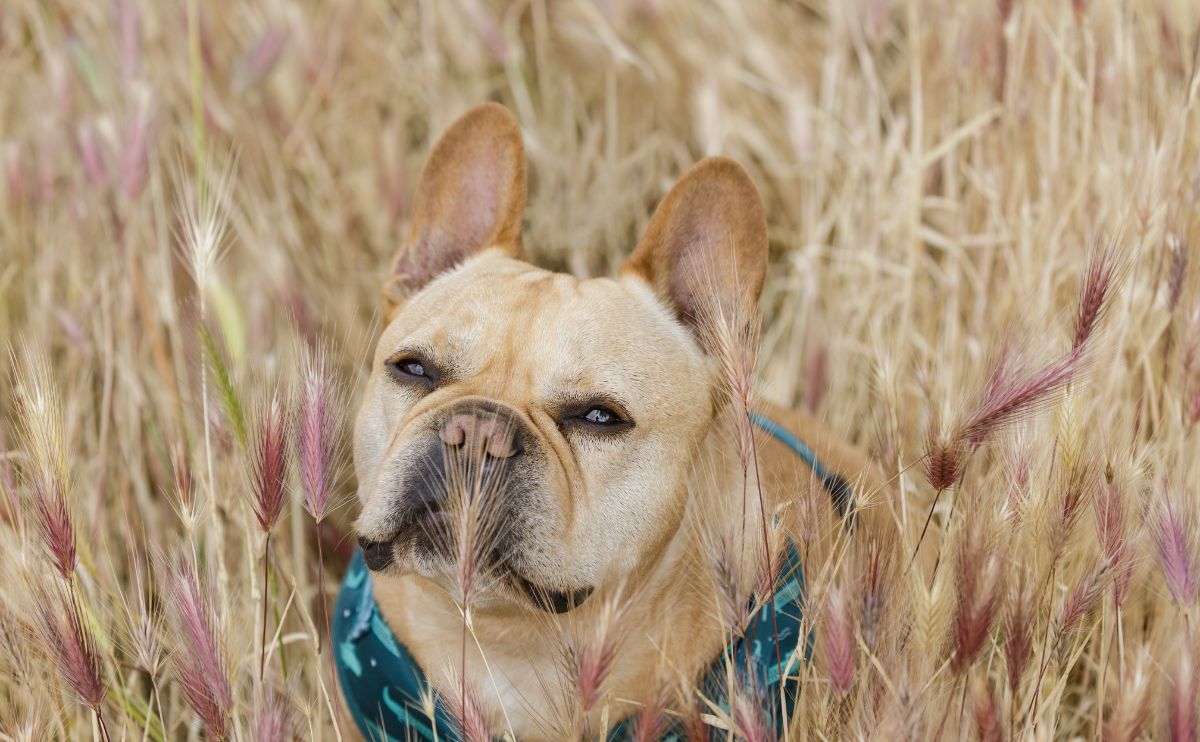
Why are foxtails dangerous for dogs? #
What makes foxtails particularly dangerous is their shape.
They act like tiny barbed arrows: once attached, they move forward… but never backward.
During a walk, they can easily latch onto your dog’s fur. From there, they can work their way into the skin or enter sensitive areas of the body.
👉 This can quickly lead to:
- infections
- abscesses
- significant pain
- complications requiring veterinary care
Veterinarians consistently warn that the longer a foxtail stays embedded, the more serious the issue can become.
Where can foxtails get stuck on a dog? #
Foxtails can lodge themselves in several parts of the body. Where they end up often determines the symptoms you’ll notice.
In the paws #
This is one of the most common scenarios. Foxtails often get trapped between the paw pads, where they can easily penetrate the skin.
Signs to watch for:
- sudden limping
- excessive licking
- swelling in one area
In the ears #
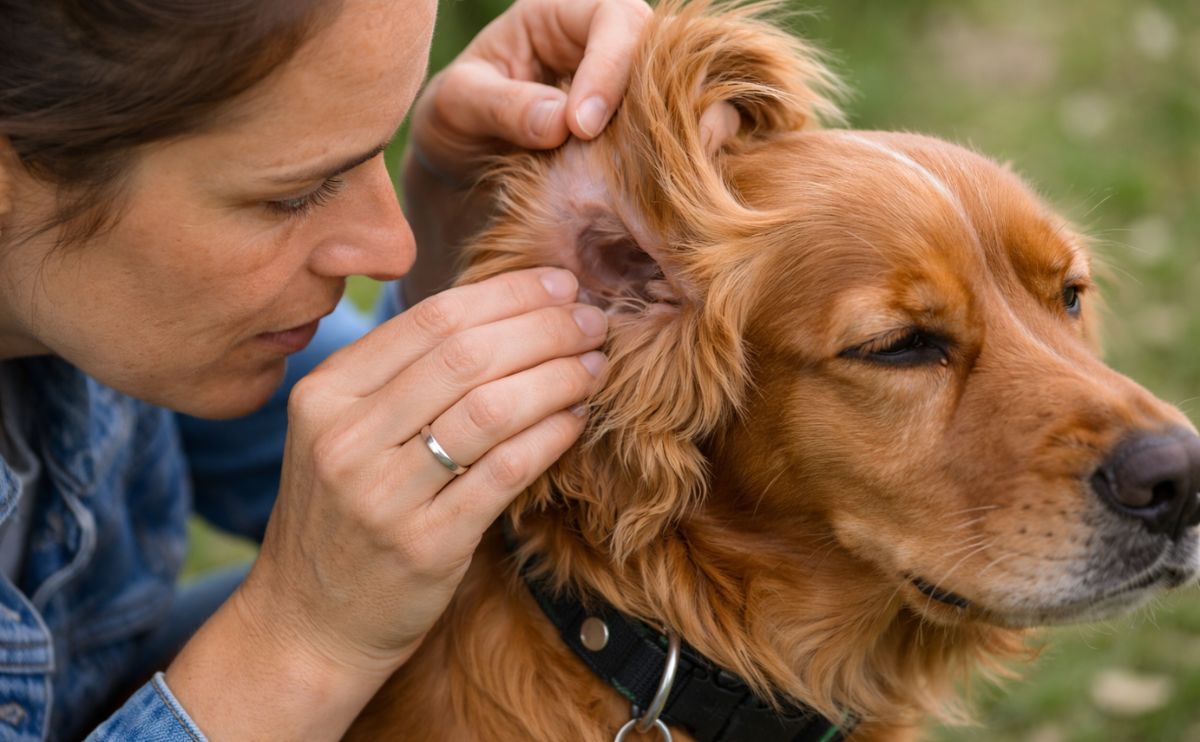
Symptoms here are usually very noticeable. A dog that shakes its head repeatedly or seems uncomfortable on one side may have a foxtail in its ear.
Because of the ear canal’s structure, foxtails can quickly travel deeper and cause damage.
In the nose #
More subtle, but just as serious. Common signs are:
- repeated sneezing
- sometimes nosebleeds
In the eyes #
It only takes a bit of wind for a foxtail to end up in your dog’s eye. You may notice:
- redness
- tearing
- visible discomfort
Foxtail symptoms in dogs: warning signs to watch for #
After spending time outdoors, certain behaviors should raise concern. The most common include:
- excessive licking
- sudden limping
- repeated head shaking
- unusual sneezing
- red or watery eye
These symptoms may seem minor at first, but they often indicate real discomfort.
They’re also part of the broader symptoms you should never ignore in dogs. Recognizing them early can make a big difference.
💡 Sometimes, the changes are even more subtle: a dog that’s slightly less active, sleeping differently, or behaving just a bit off.
That’s where daily monitoring can help. Tools like the Biotracker allow you to track activity, sleep, and key health indicators — making it easier to spot unusual changes early.
What to do if you suspect a foxtail #
If you think your dog may have a foxtail, don’t wait.
If it’s visible on the surface, you may be able to remove it carefully.
However:
❌ don’t try to remove a foxtail that has entered the skin or an orifice
❌ don’t wait for symptoms to go away
The safest option is to see a veterinarian as soon as possible. The longer it stays, the more it can migrate and cause complications.
How to prevent foxtails in dogs #
Prevention is key, especially during spring and summer.
👉 Simple habits can greatly reduce the risk:
- avoid tall, dry grass
- check your dog after every walk
- pay close attention to paws, ears, and eyes
- keep your dog’s coat well groomed
These small routines can make a big difference in preventing issues.
A common spring hazard #
Foxtails are just one of many risks that come with warmer weather.
During this time of year, dogs are also exposed to ticks, allergies, toxic plants, and processionary caterpillars.
Understanding these seasonal dangers helps you keep your dog safe while enjoying the outdoors.
Foxtails in dogs: a small hazard with serious risks #
Because they’re small and often hard to spot, foxtails are easy to underestimate. But their ability to penetrate the body and cause complications makes them a real threat.
👉 Staying attentive after walks and reacting quickly to unusual signs is the best way to protect your dog.
❓ FAQ — Foxtails in dogs #
How do I know if my dog has a foxtail? #
Watch for signs like limping, licking, sneezing, or head shaking after being outdoors.
Are foxtails dangerous for dogs? #
Yes. If they enter the body, they can cause infections and serious complications.
Can a foxtail come out on its own? #
No. Because of its barbed shape, it tends to move forward, not out.
When are foxtails most common? #
From late spring through summer, especially in dry grassy areas.
How can I protect my dog from foxtails? #
Avoid tall grass, inspect your dog after walks, and keep their coat groomed.