

In spring, gardens, balconies, and parks fill with colors… but also with toxic plants for dogs.
Many owners are unaware: some common plant species can cause plant poisoning in dogs, sometimes with just a small ingestion. Of course, toxic plants are just one of the many seasonal dangers for dogs that return with spring. But it remains important to know how to recognize them and how to act in case of ingestion.
Why Are Some Plants Toxic to Dogs? #
Dogs explore their environment with their mouths, which directly exposes them to plant toxins. Some plants contain active substances such as:
- alkaloids (e.g., colchicine in autumn crocus)
- cardiac glycosides (e.g., oleandrin in oleander)
- calcium oxalates (e.g., dieffenbachia)
These compounds can affect different organs:
- digestive system
- nervous system
- cardiovascular system
- liver and kidneys
List of Toxic Plants for Dogs #
🏡 Toxic Plants in the Garden #
Some toxic plants in the garden are particularly dangerous due to their concentration of toxins.
- Oleander (Nerium oleander) → contains cardiac glycosides → causes heart problems, vomiting, arrhythmia
- Yew (Taxus baccata) → contains taxines → can lead to sudden cardiac arrest
- Rhododendron / Azalea (Rhododendron spp.) → contains grayanotoxins → vomiting, hypotension, neurological disorders
- Hydrangea (Hydrangea macrophylla) → contains cyanogenic glycosides → digestive issues, lethargy
- Lily (Lilium spp.) → variable toxicity depending on species → digestive and neurological issues

🪴 Indoor Plants Toxic to Dogs #
- Dieffenbachia (Dieffenbachia seguine) → calcium oxalates → oral irritation, hypersalivation, pain
- Monstera (Monstera deliciosa) → oral and digestive irritation → mouth swelling
- Ficus (Ficus benjamina) → irritating sap → vomiting, diarrhea
- Pothos (Epipremnum aureum) → oral burns, hypersalivation
🌿 Wild Toxic Plants #
- Autumn Crocus (Colchicum autumnale) → contains colchicine → very toxic, severe digestive and multi-organ damage
- Foxglove (Digitalis purpurea) → cardiac glycosides → severe heart problems
- Black Nightshade (Solanum nigrum) → toxic alkaloids → digestive and neurological issues
Symptoms of Plant Poisoning in Dogs #
Plant poisoning in dogs depends on several factors:
- type of plant
- amount ingested
- dog’s weight
- individual sensitivity
The most common symptoms include:
- vomiting and diarrhea
- hypersalivation
- heart rhythm disturbances
- breathing difficulties
- tremors or seizures
- lethargy or agitation
These are part of the symptoms you need to know in dogs, to know how to react.
What to Do in Case of Plant Poisoning in Dogs? #
Quick action is essential to limit complications.
- Remove any source of exposure
- Identify the plant (name or photo)
- Observe the symptoms
- Contact a veterinarian immediately
Your dog insurance, if you are insured, can also help you with these issues, sometimes providing specific emergency numbers.
Common Mistakes in Case of Ingestion #
- making the dog vomit without veterinary advice
- waiting for severe symptoms to appear
- administering inappropriate remedies
- ignoring a suspected ingestion
Some plants cause delayed effects, particularly on the heart or kidneys.

How to Prevent Plant Poisoning in Dogs? #
In the Garden #
- identify the plants present
- remove toxic species
- limit access to certain areas
At Home #
- check the toxicity of indoor plants
- avoid high-risk species
- monitor young dogs (more exposed)
Daily Monitoring #
Poisonings do not always cause immediate symptoms.
Variations may appear:
- change in activity
- change in heart rate
- alteration of sleep
Regular monitoring allows for earlier detection of these anomalies.
| Plant | Image | Scientific Name | Toxicity Level | Main Symptoms | Main Risk |
|---|---|---|---|---|---|
| Oleander | 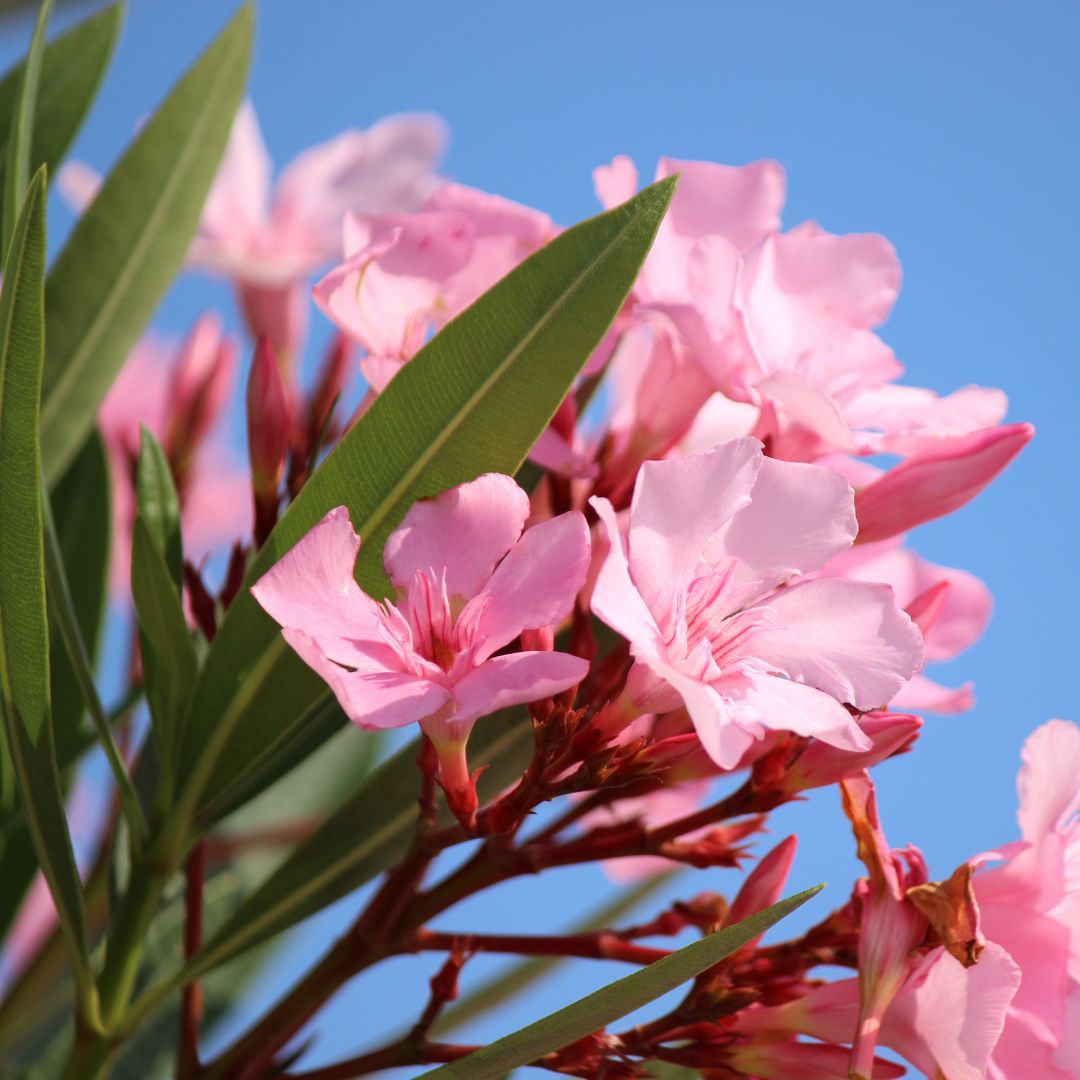 |
Nerium oleander | Very high | Vomiting, arrhythmia | Severe heart problems |
| Yew |  |
Taxus baccata | Very high | Tremors, cardiac arrest | Rapid death |
| Rhododendron / Azalea | 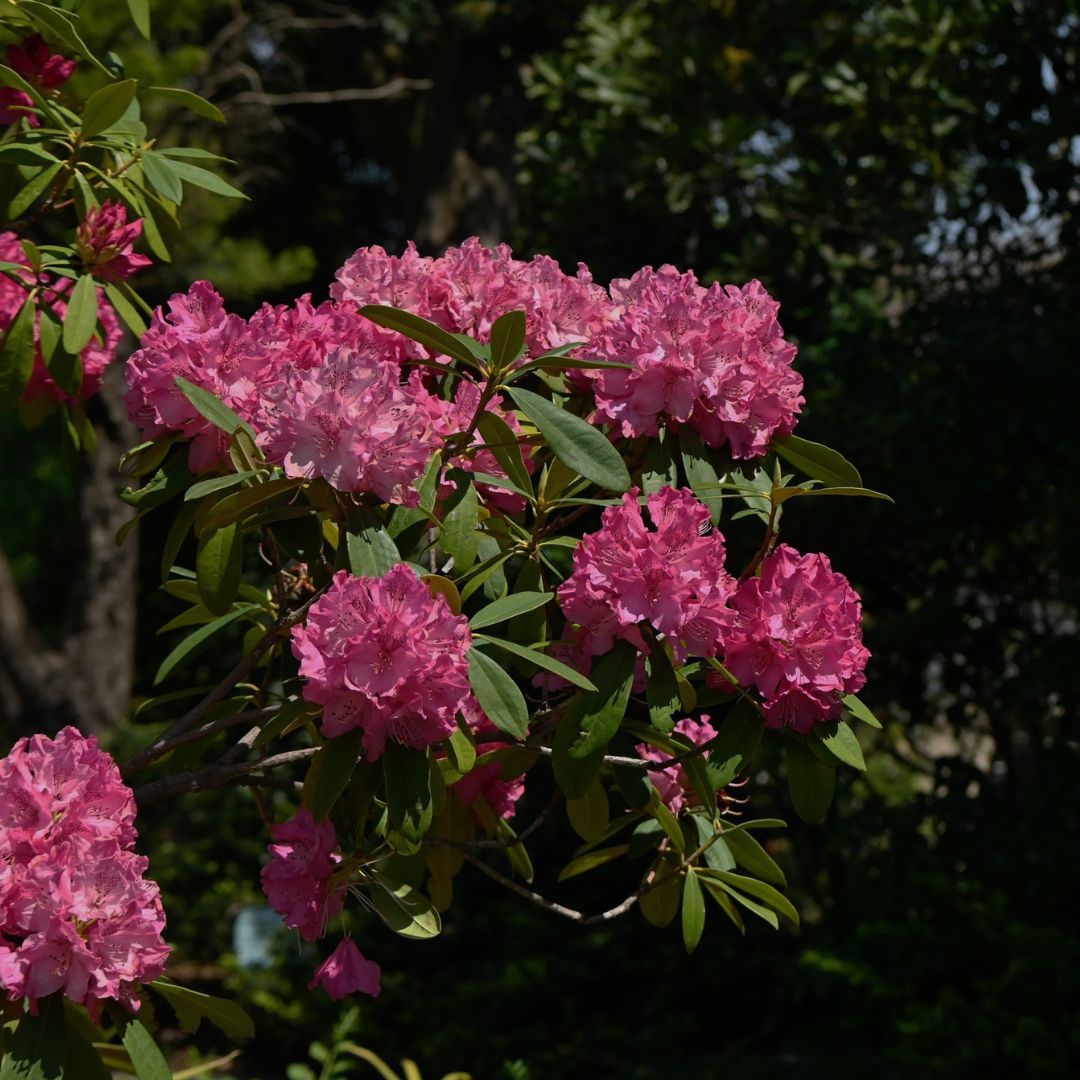 |
Rhododendron spp. | High | Vomiting, hypotension | Neurological disorders |
| Autumn Crocus | 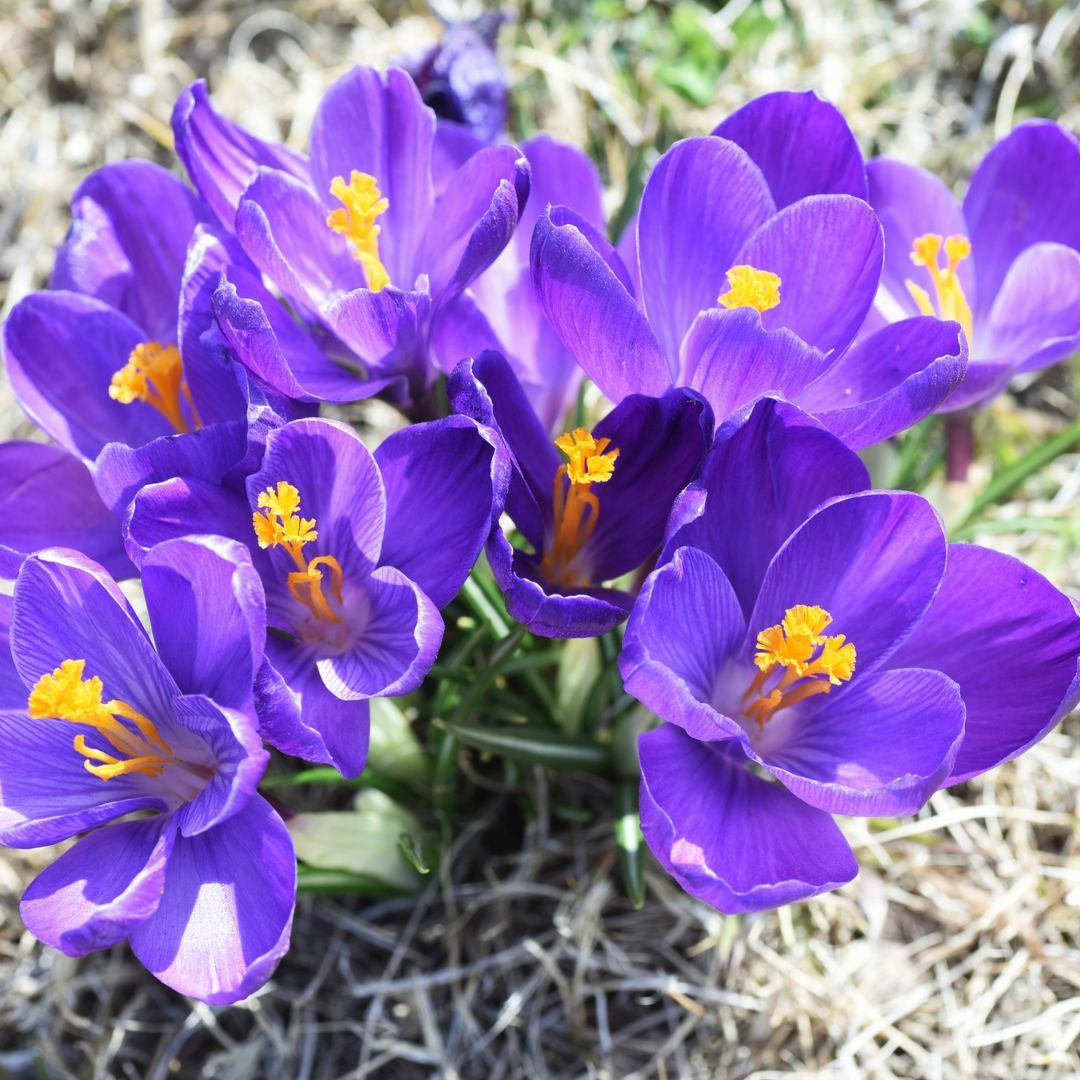 |
Colchicum autumnale | Very high | Severe diarrhea | Multi-organ failure |
| Foxglove |  |
Digitalis purpurea | Very high | Arrhythmia | Cardiac toxicity |
| Hydrangea | 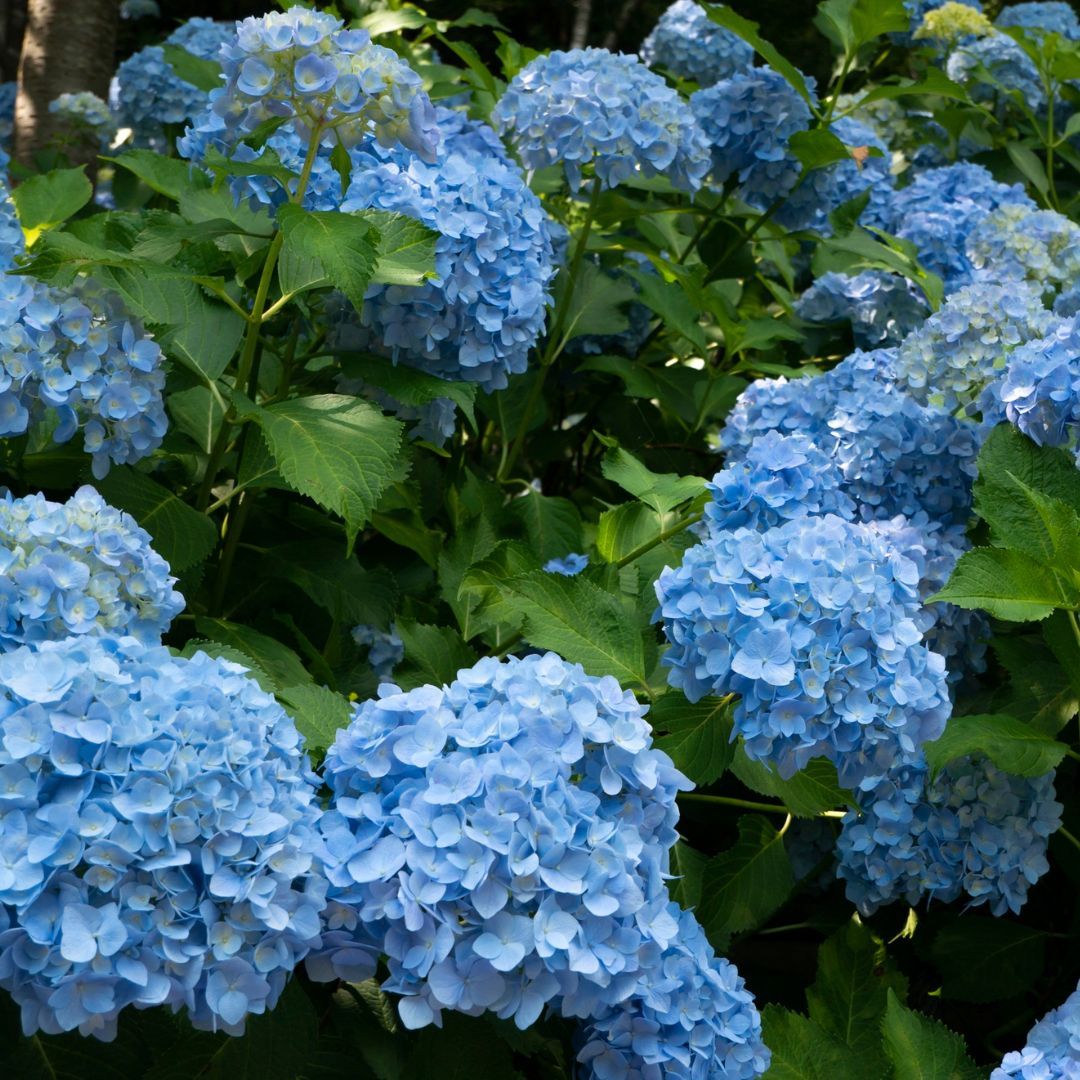 |
Hydrangea macrophylla | Moderate | Vomiting | Digestive issues |
| Lily |  |
Lilium spp. | Moderate to high | Vomiting | Kidney damage |
| Dieffenbachia | 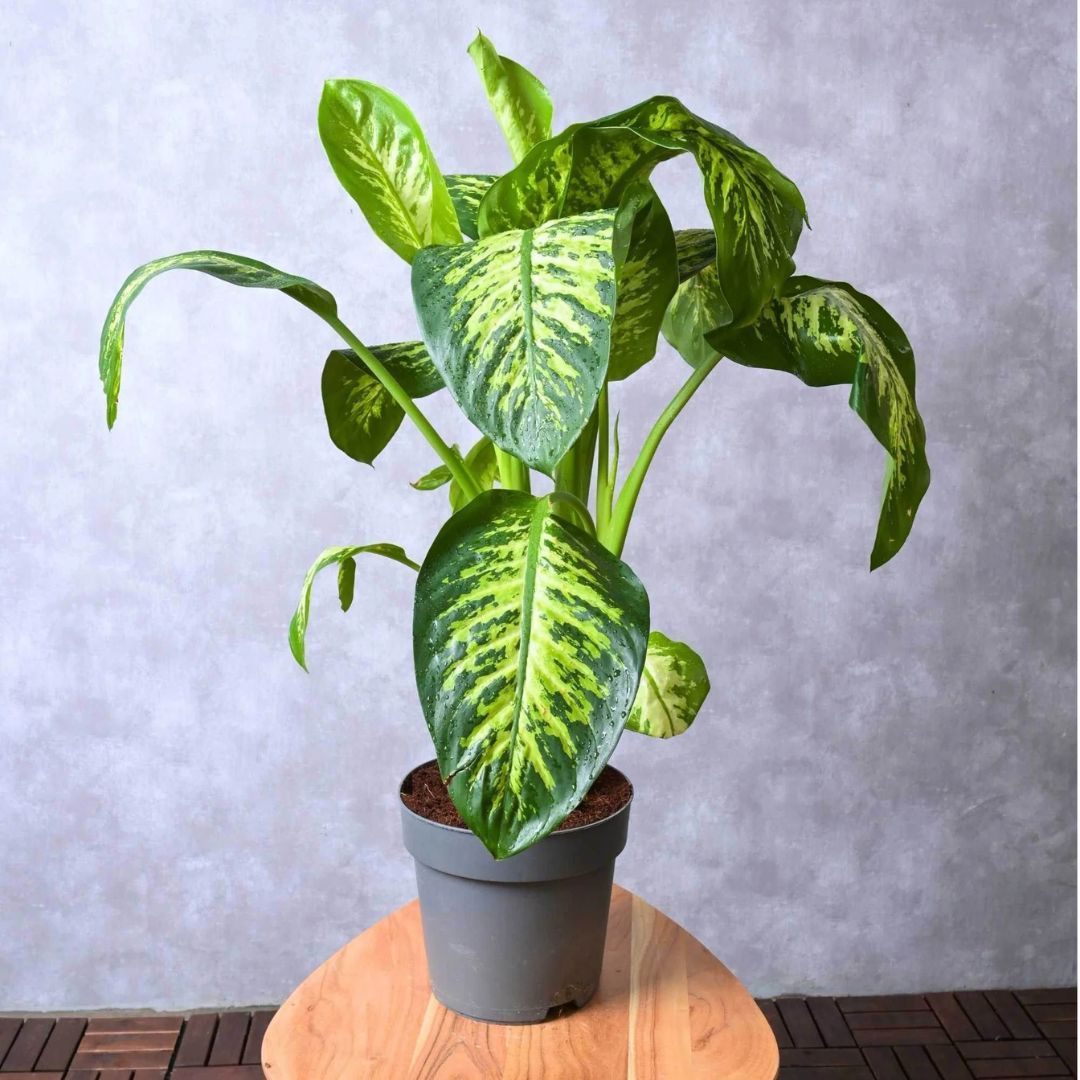 |
Dieffenbachia seguine | Moderate | Salivation | Oral irritation |
| Monstera |  |
Monstera deliciosa | Moderate | Swelling | Oral irritation |
| Ficus | 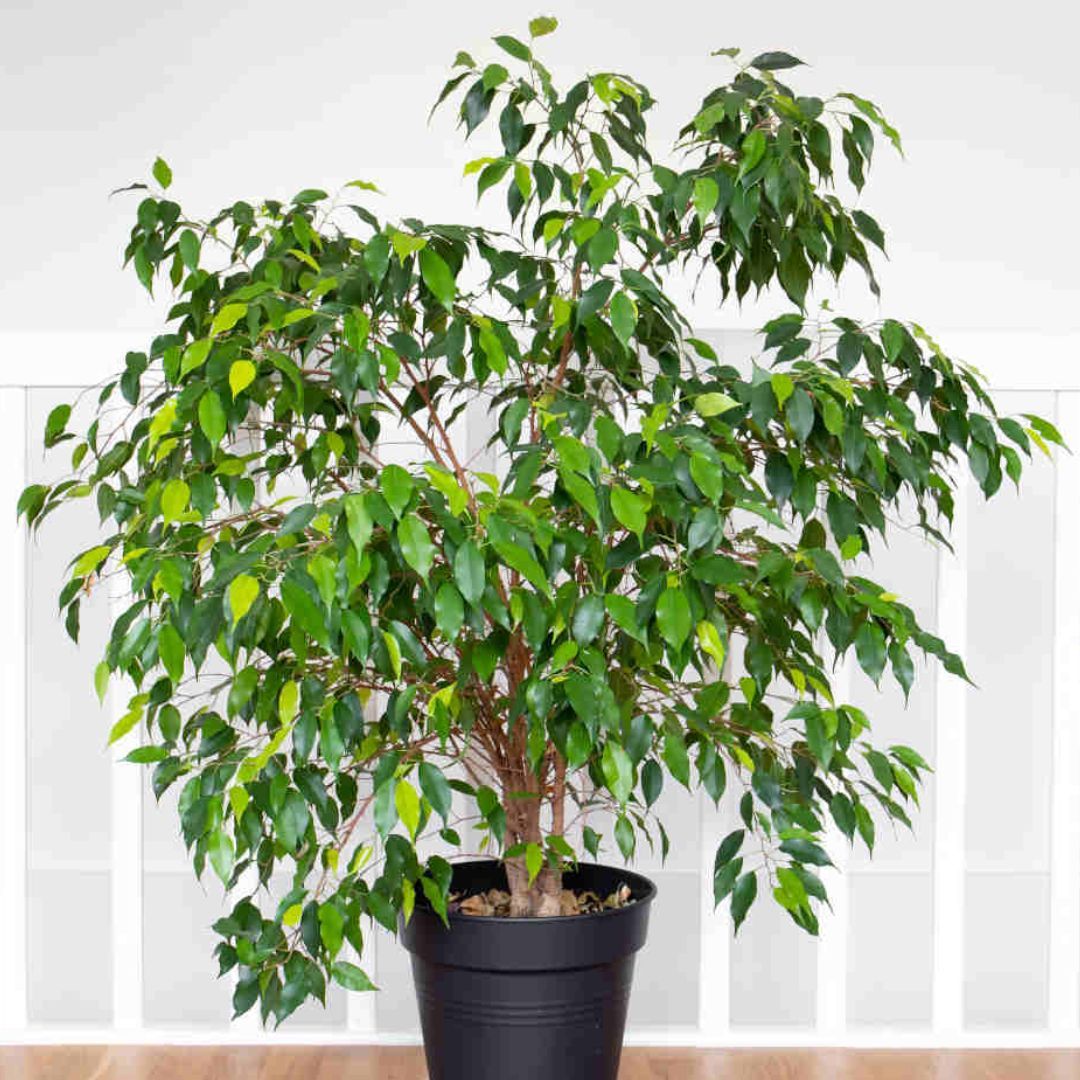 |
Ficus benjamina | Low to moderate | Vomiting | Digestive issues |
| Pothos | 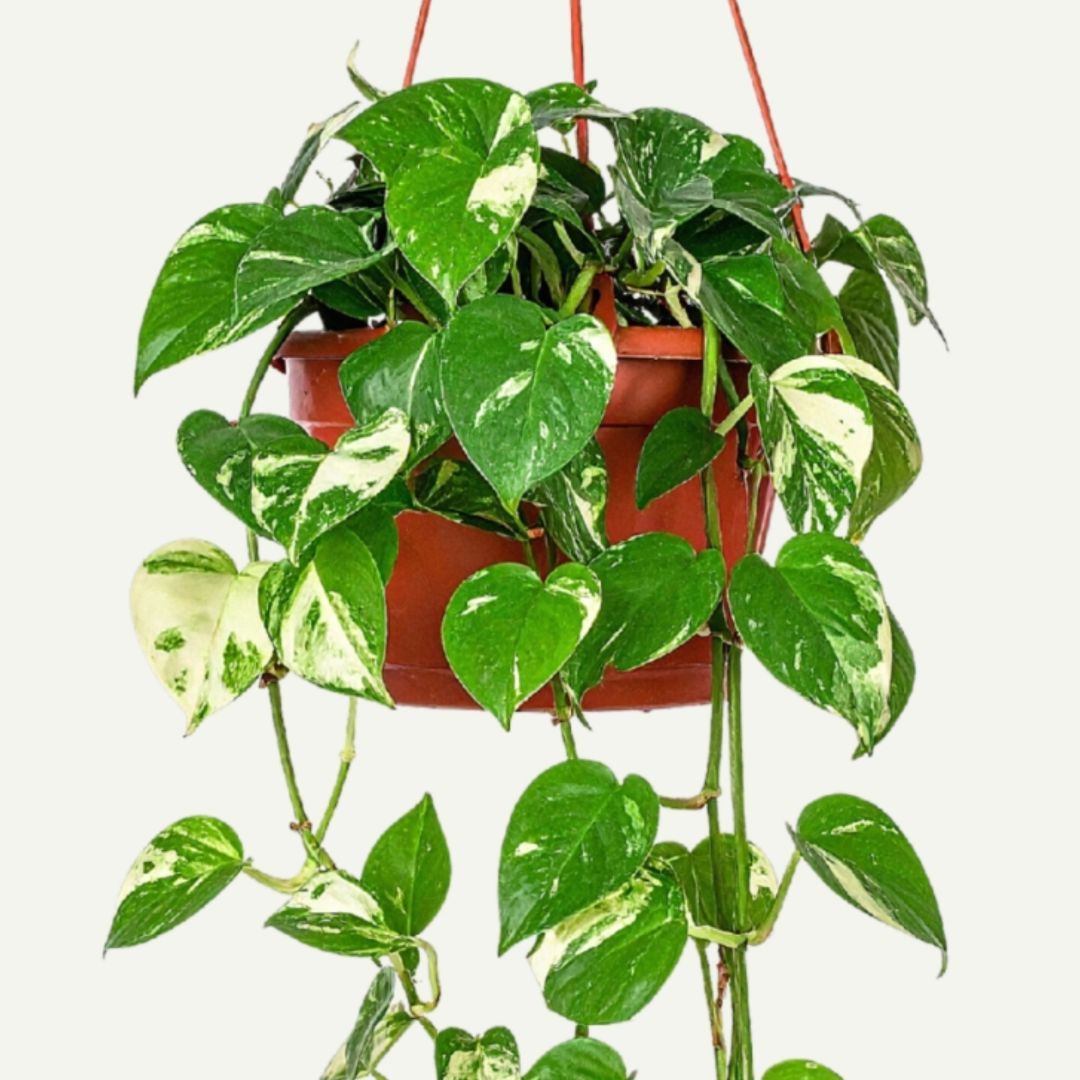 |
Epipremnum aureum | Moderate | Salivation | Oral irritation |
| Black Nightshade | 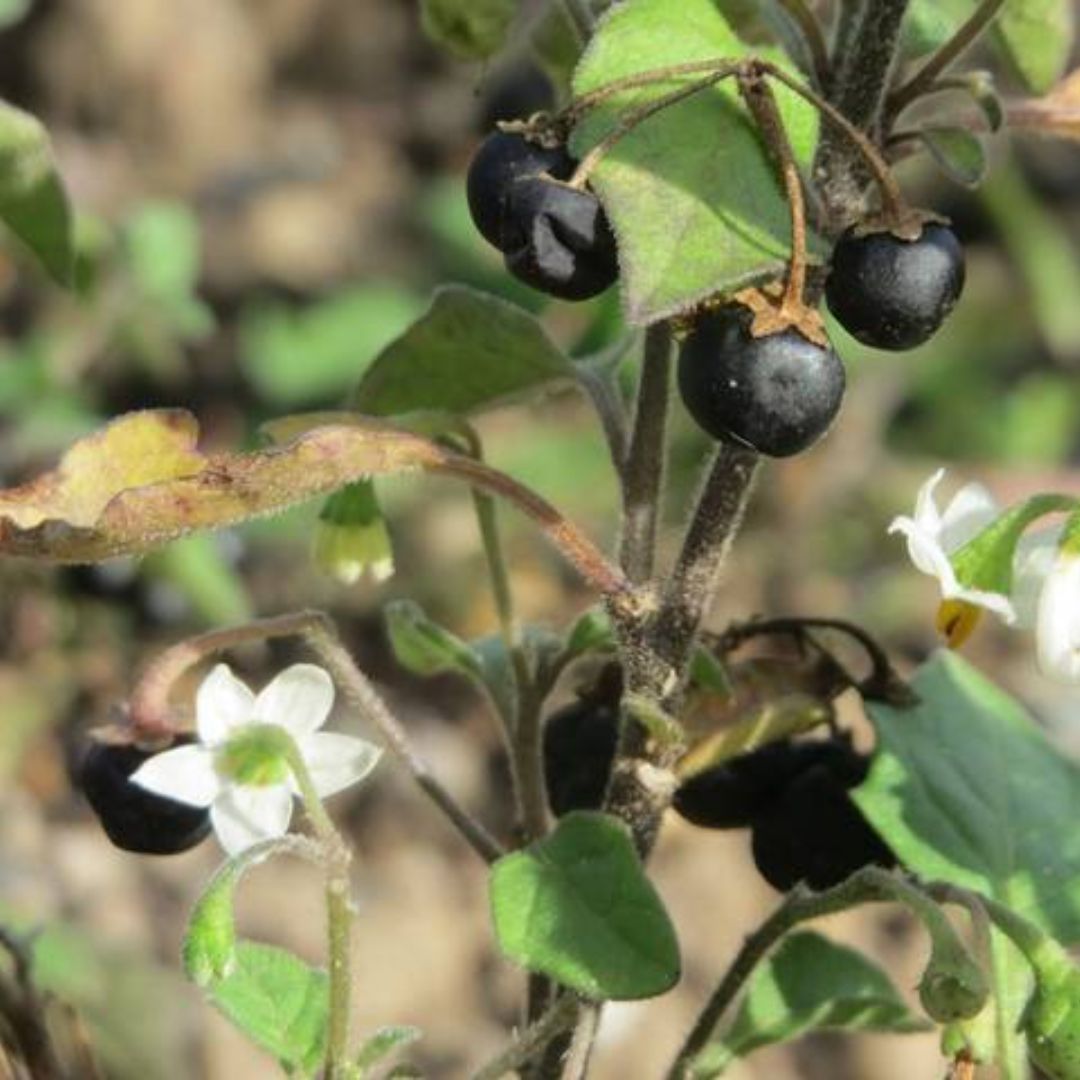 |
Solanum nigrum | High | Vomiting | Neurological toxicity |
#
FAQ – Toxic Plants for Dogs (SEO Optimized) #
Which plant can kill a dog quickly? #
Yew (Taxus baccata) and oleander (Nerium oleander) are among the plants that can cause rapid death in dogs due to their high cardiac toxicity.
What are the first signs of plant poisoning in dogs? #
The first signs often include vomiting, excessive salivation, unusual fatigue, or abnormal behavior. They can appear a few minutes to several hours after ingestion.
My dog ate a leaf, should I be worried? #
Yes, even a small amount can be toxic depending on the plant. It is recommended to contact a veterinarian or poison control center as soon as possible.
How long does it take for poisoning to act? #
The delay varies depending on the plant. Some act within minutes (yew), others in several hours or even days (autumn crocus, foxglove).
How do I know if a plant is toxic to my dog? #
It is advisable to systematically check through reliable databases like the ASPCA or veterinary poison control centers before introducing a plant at home.
Which plants should absolutely be avoided with a dog? #
The main plants to avoid are oleander, yew, rhododendron, foxglove, autumn crocus, and some indoor plants like dieffenbachia.
Is garden grass dangerous for dogs? #
Grass itself is not, but it can be contaminated by toxic plants, pesticides, or parasites, which poses an indirect risk.