








Canine cardiovascular health
Definition
Canine cardiovascular health refers to the overall wellbeing and functioning of a dog's heart and vascular system. This includes the heart's ability to pump blood efficiently, maintaining proper circulation throughout the body while ensuring that vital organs and tissues receive the necessary oxygen and nutrients. Monitoring cardiovascular health is crucial for early detection of potential issues such as heart disease, hypertension, and other conditions that can significantly affect a dog's quality of life.
Importance of Monitoring
Regular Check-ups
Regular veterinary check-ups play a vital role in assessing a dog's cardiovascular health. Vets may perform exams that include listening to the heart, examining blood pressure, and conducting blood tests. Early detection of any problems allows for timely intervention and management.
Role of IoT and Pet Monitors
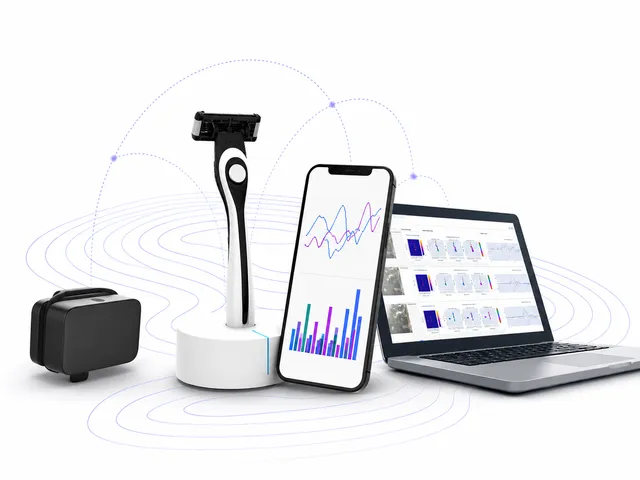
With the advancement of Internet of Things (IoT) technology, pet health monitoring devices have emerged as effective tools for tracking canine cardiovascular health. GPS trackers and health monitors can provide real-time data about a dog’s activity levels, heart rate, and overall fitness. This constant monitoring allows pet owners to notice changes in their dog's behavior or activity, which could indicate underlying cardiovascular issues.
Signs of Cardiovascular Issues
Common signs that may indicate a problem with a dog’s cardiovascular health include excessive panting, lethargy, coughing, and loss of appetite. Pet owners equipped with GPS trackers can easily observe a decrease in their dog’s outdoor activity—an essential indicator of cardiovascular health. By being proactive and using technology to monitor their pets, dog owners can ensure their furry friends stay healthy and active.
In summary, being informed about canine cardiovascular health and utilizing modern technology not only enhances pet care but also contributes to a fulfilling and healthy life for dogs.