








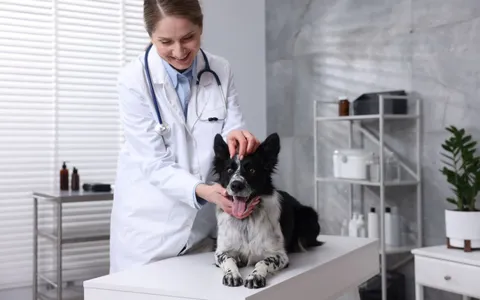

Heart disease in dogs
Heart disease in dogs refers to a range of conditions that affect the structure and function of the heart, leading to inadequate blood flow and potential health complications. Understanding heart disease is crucial for pet owners, as early detection and management can significantly improve a dog’s quality of life.
Types of Heart Disease in Dogs
There are two primary types of heart disease in dogs:
Congenital Heart Disease
This type is present at birth and often results from genetic factors. Breeds such as Cavalier King Charles Spaniels and Boxers are more susceptible. Common congenital defects include patent ductus arteriosus (PDA) and pulmonic stenosis.
Acquired Heart Disease
Acquired heart disease typically develops as dogs age and is influenced by environmental factors and lifestyle. The most common forms include:
- Dilated Cardiomyopathy (DCM): This condition affects the heart muscle, leading to enlargement and decreased contractility.
- Mitral Valve Disease (MVD): Often seen in older dogs, this involves the deterioration of the heart’s mitral valve, resulting in backflow of blood.
Symptoms and Diagnosis
Recognizing the symptoms of heart disease in dogs is vital for early intervention. Common signs include coughing, exercise intolerance, lethargy, and difficulty breathing. Regular veterinary check-ups are essential for diagnosis, typically involving physical examinations, X-rays, and echocardiograms.
Role of Pet Monitoring Devices
Advancements in pet health monitoring offer an innovative way to track your dog’s well-being. IoT devices and GPS trackers can provide real-time data on your pet’s activity levels and location. For instance, a sudden decrease in activity may signal health issues, allowing pet owners to consult a veterinarian promptly. Additionally, some smart collars come equipped with heart rate monitoring, enabling proactive management of your dog's canine cardiovascular health.
In summary, understanding heart disease in dogs is crucial for pet owners. By recognizing the types, symptoms, and utilizing modern pet monitoring technologies, owners can help ensure a longer, healthier life for their furry companions.