





Dog heart rate
Definition
Dog heart rate refers to the number of times a dog's heart beats per minute (bpm), which is an essential indicator of their overall health and well-being. The average heart rate for dogs typically ranges between 60 to 160 bpm, depending on the dog's size and activity level. Small breeds tend to have higher heart rates, while larger breeds have lower rates. Monitoring a dog's heart rate can help pet owners detect stress, illness, or other health issues.
Importance of Monitoring
Health Assessment
Regularly tracking your dog's heart rate is crucial for several reasons. A consistently high heart rate may indicate anxiety, pain, or underlying health conditions, while a low heart rate could signify issues such as shock or hypothermia. Pet health monitors and GPS tracking devices equipped with health features have made it easier for pet owners to precisely measure and keep track of their dog's heart rate, providing valuable data for veterinarians.
Exercise and Activity Levels
Understanding your dog's heart rate can also aid in assessing their exercise needs and fitness levels. A sudden increase in heart rate during play or exercise is normal, but prolonged elevated rates could signal overexertion. Smart collars and wearable devices can help monitor heart rates in real-time, enabling pet owners to manage exercise routines effectively and ensure their pets are engaged but not overstressed. Regular activity tracking can provide insights into a dog's overall activity levels and health status.
Integration with IoT and GPS Technology
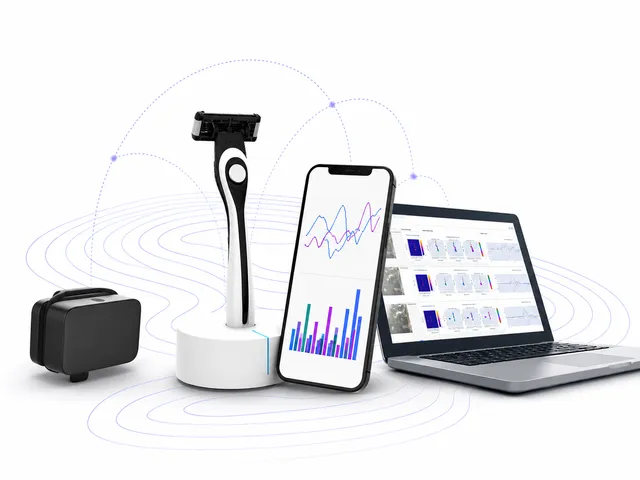
With the rise of Internet of Things (IoT) technology, many pet monitoring devices now offer integrated heart rate tracking alongside GPS capabilities. This combination allows pet owners to not only know their pet's location but also receive insights into their health and activity levels. For example, if a dog's heart rate spikes during an outing, the smart device can send alerts to the owner's smartphone, leading to timely intervention if necessary.
By understanding and utilizing dog heart rate data through these innovative technologies, pet owners can enhance their pets' quality of life, ensure timely veterinary care, and keep track of their health more conveniently.