



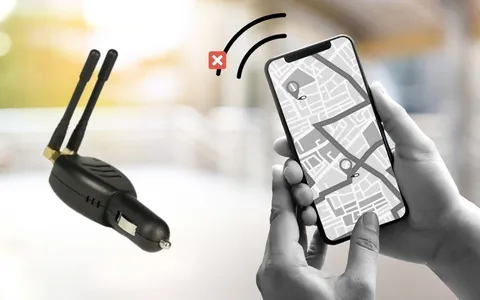


GPS tracking system
Definition
A GPS tracking system is a technology that uses the Global Positioning System (GPS) to determine and monitor the location of a person, vehicle, or object in real-time. This system employs GPS satellites to triangulate the position of GPS receivers, providing precise location data that can be accessed via smartphones, computers, or dedicated tracking devices.
Components
GPS Satellites
GPS tracking systems rely on a constellation of satellites orbiting the Earth. These satellites emit signals that GPS receivers interpret to calculate their geographical coordinates.
GPS Receivers
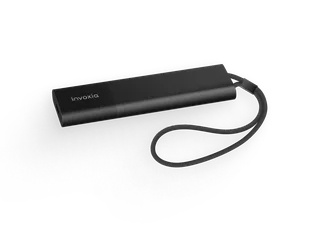
Devices equipped with GPS receivers decode the signals from satellites and can be integrated into smartphones, vehicles, or specialized tracking devices. The data gathered can include not just location but also speed, direction, and altitude.
Software Interfaces
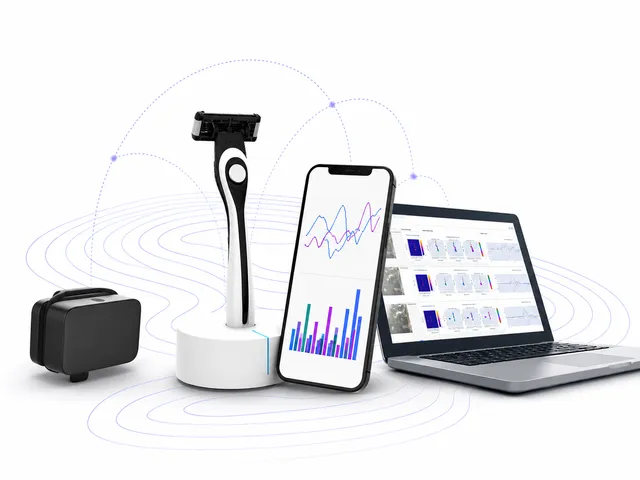
GPS tracking systems typically feature user-friendly software interfaces, allowing users to visualize and manage their tracking data. This can include mapping features, historical tracking logs, and alert systems for significant changes in location.
Applications
Personal Safety
GPS tracking systems are commonly used in personal safety applications, enabling individuals to monitor the locations of family members, especially children or elderly relatives, ensuring their safety.
Vehicle Monitoring
In the automotive industry, GPS tracking is critical for fleet management. Companies utilize GPS systems to track vehicle locations, optimize routes, and enhance fuel efficiency.
Pet Health Monitoring
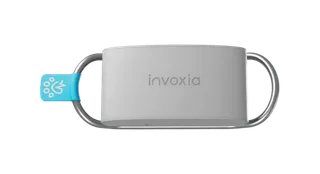
In the realm of IoT, GPS tracking has transformed pet health monitoring. Devices designed for pets often include GPS capabilities, allowing pet owners to keep tabs on their animal's whereabouts and activity levels, promoting better health and safety. This connects closely with pet-health-monitoring technologies that help in tracking various health metrics.
In summary, a GPS tracking system is an essential tool across numerous domains, driven by advancements in technology, that enhances monitoring capabilities, ensures safety, and improves overall efficiency.