





Smart logistics
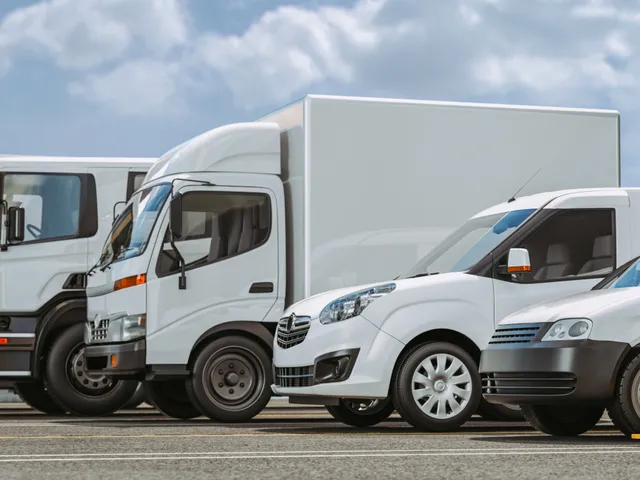
Smart logistics refers to the use of advanced technologies, such as GPS tracking, the Internet of Things (IoT), and data analytics, to enhance the efficiency and effectiveness of supply chain management. This innovative approach transforms traditional logistics operations by integrating real-time data, automating processes, and improving decision-making.
Key Components of Smart Logistics
GPS Tracking
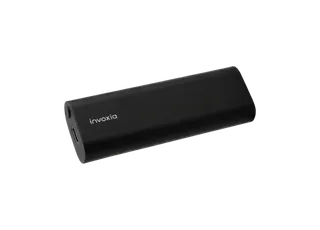
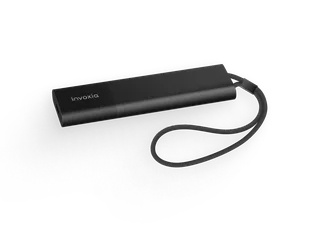
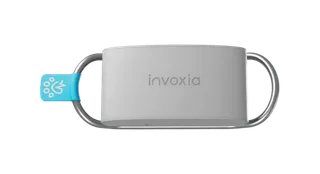
GPS tracking is a fundamental component of smart logistics. It allows businesses to monitor the location of their assets, including vehicles, containers, and even pets, in real time. By implementing GPS tracking systems, companies can optimize delivery routes, reduce fuel costs, and enhance asset utilization. For instance, companies using GPS-enabled pet monitors can ensure the safe transportation of pets during travel, tracking their location and well-being throughout the journey.
Internet of Things (IoT)
The IoT enables the interconnectedness of devices, creating a network that facilitates communication and data sharing. In smart logistics, IoT sensors can monitor various parameters, such as temperature, humidity, and movement, throughout the supply chain. For example, when shipping perishable goods, IoT devices can provide alerts if temperature thresholds are breached, enabling quick interventions that preserve product quality. By incorporating IoT technologies, businesses can gain unprecedented visibility into their operations, leading to better inventory management and improved customer satisfaction.
Benefits of Smart Logistics
The adoption of smart logistics offers several advantages to companies across various industries. Firstly, it enhances operational efficiency by minimizing human error and streamlining processes. Automation of tasks like inventory tracking and order fulfillment reduces the need for manual intervention, leading to quicker turnaround times.
Secondly, smart logistics improves transparency and accountability in the supply chain. With real-time data at their fingertips, businesses can respond promptly to changes in demand, track compliance, and ensure that every shipment arrives on time. This level of oversight is not only beneficial for businesses but also enhances customer experiences as they receive timely updates and accurate delivery information.
In conclusion, smart logistics integrates technology to revolutionize traditional supply chain practices, delivering innovative solutions that are vital for modern businesses. Companies utilizing GPS tracking and IoT technologies can optimize their logistics operations, ensuring a more efficient, responsive, and transparent supply chain.