

We often imagine theft as something dramatic. Someone forcing a lock. Breaking a window. Cutting through a bike lock. Watching a target for days.
In reality, many thefts start in a much more ordinary way.
A bag placed at the foot of a chair. A bike locked up “just for a few minutes.” A car parked in the same spot every night. A phone left on a café table. A suitcase set down for a few seconds while checking a departure board.
Theft does not always happen because an item is exceptionally expensive. It often happens because it is visible, accessible, easy to take, and low-risk to steal.
This also explains why thefts tend to increase when the weather gets warmer: people go out more, travel more, stop more often, and everyday belongings are exposed in more situations.
Understanding why things get stolen is not about living in constant suspicion. It is about recognizing the moments when risk goes up, then building the right habits to reduce that risk significantly.
Why do things get stolen? #
Things usually get stolen when three elements come together: a desirable item, an easy opportunity, and a low perceived risk for the thief. In other words, theft is rarely just bad luck. It depends heavily on the situation.
This logic is closely linked to situational crime prevention, an approach that focuses on reducing the opportunities that make crime easier. The College of Policing explains in its guide to situational crime prevention that this approach aims to make crime more difficult, increase the risk of being caught, or reduce the reward for committing the act.
In everyday terms, the idea is simple: a thief does not always choose the most expensive item. They often choose the easiest one to take.
| Factor | What it means | Everyday example |
|---|---|---|
| A desirable target | The item has real or perceived value | Phone, bag, e-bike, scooter, car, laptop |
| An easy opportunity | The item is accessible at the right moment | Bag placed street-side, poorly locked bike, isolated vehicle |
| Low perceived risk | The thief believes they can act quickly | Little surveillance, crowd cover, easy escape, unidentifiable item |
It is this combination that turns an ordinary moment into a risky one.
Theft is often opportunistic #
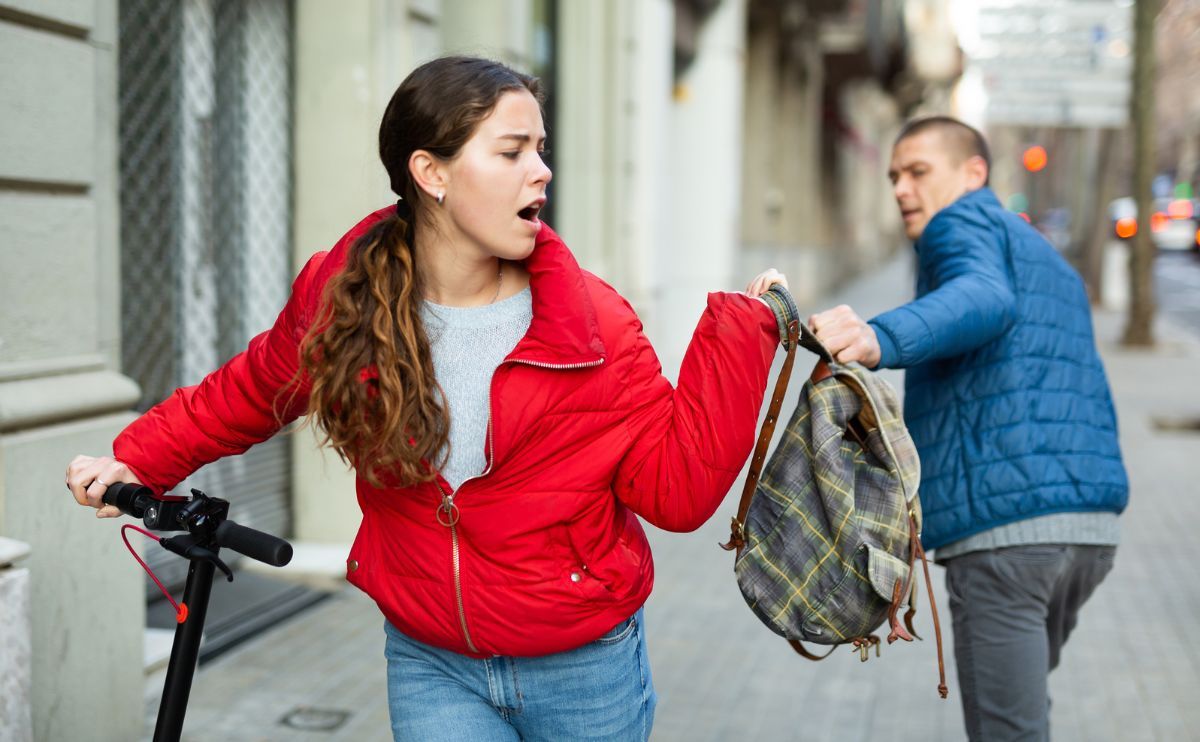
Not every theft is carefully planned in advance. Many thefts rely on a quick opportunity: a visible item, a moment of distraction, weak protection, or an easy escape route.
That is what makes everyday theft so frustrating. You did not necessarily make a major mistake. You simply left a small window of opportunity.
The bag at the café table #
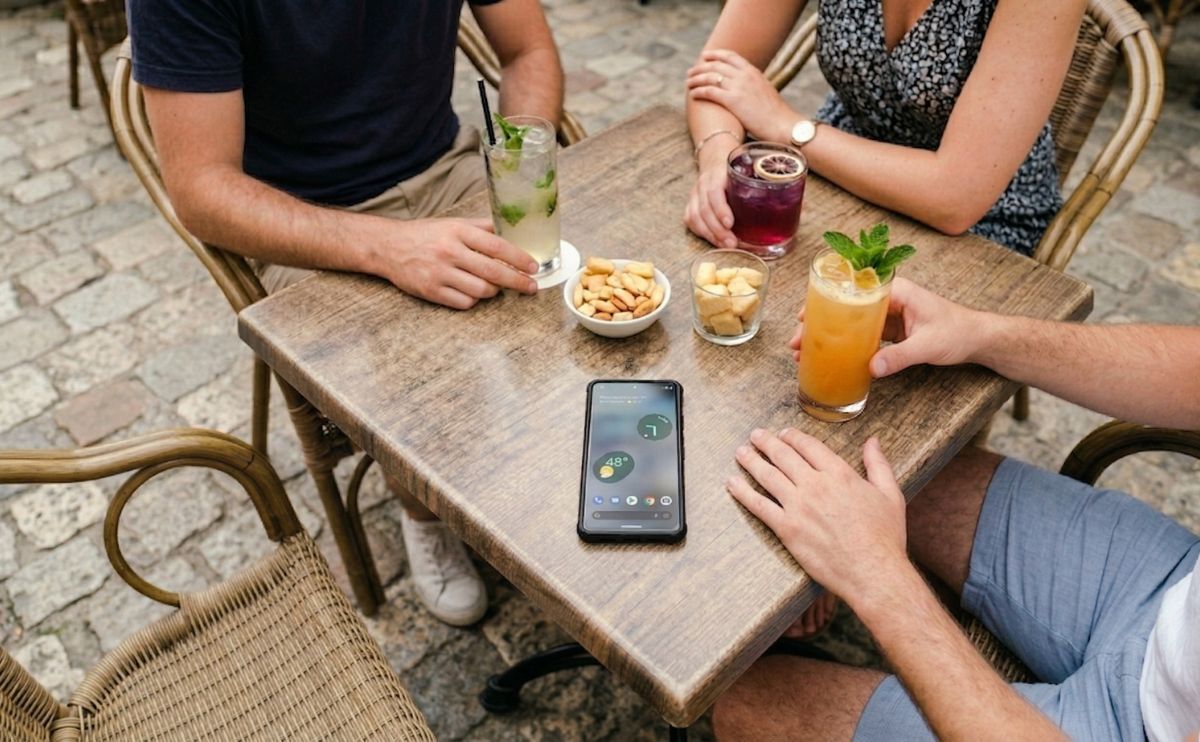
This is one of the most common scenarios. A bag is placed on the ground, hung over the back of a chair, or left on the side facing the street. The owner is talking, reading the menu, paying the bill, or checking their phone. For a few seconds, the item slips out of their attention.
For a thief, that is an ideal setup: the item is visible, easy to grab, and the movement of a busy café, restaurant, or patio can make the theft harder to notice.
That is why official personal safety guidance recommends keeping phones and valuables out of sight. The Metropolitan Police, for example, advises people not to leave a phone, wallet, purse, or device on the table of an outdoor café, pub, or restaurant.
The bike locked up “just for a few minutes” #
A bike locked only by the front wheel. A lightweight lock. A weak fixed point. A quiet side street. The owner thinks they will only be gone for a moment.
But for a quick theft, a few minutes can be enough.
A strong lock does not make bike theft impossible, but it changes the equation. The harder and longer the theft becomes, the less attractive the target is. That is exactly the logic behind situational prevention: increase the effort, increase the risk, and reduce the reward.
The vehicle parked in the same spot every day #
A car, motorcycle, scooter, or e-bike parked in the same place every day can eventually be noticed. The risk increases even more if the vehicle is parked in a poorly lit area, a quiet street, an isolated parking lot, or a place where people rarely pay attention to movement.
Vehicle theft prevention guidance from the NHTSA recommends simple but important habits: take your keys, lock all windows and doors, park in well-lit areas when possible, and never leave valuables visible inside the vehicle. These recommendations are detailed in its page on vehicle theft prevention.
Situations that increase the risk of theft #
Some situations increase theft risk not because they are dangerous by nature, but because they combine several risk factors: distraction, crowding, easy access, fatigue, routine, or low visibility.
| Situation | Why the risk increases | Better habit |
|---|---|---|
| Café / restaurant / patio | Attention is elsewhere, bags are often placed on the ground | Keep your bag between your feet or against your body |
| Public transportation | Crowds, movement, physical proximity | Keep your phone, wallet, and bag in front of you |
| Parking lot | Low visibility, limited surveillance, easy escape | Leave nothing visible and park in well-lit areas |
| Shopping street | Distraction, crowds, open bags | Avoid back pockets and keep valuables zipped away |
| Building lobby / bike room | A false sense of security | Lock the frame to a solid fixed point and add extra protection |
| Train station / airport | Stress, fatigue, multiple bags | Keep valuable luggage in your line of sight |
| Beach / park | Items are left unattended during activities | Limit valuables and avoid leaving items isolated |
The common thread is not fear. It is attention.
The risk tends to rise when we are in transition: getting on a train, paying a bill, loading the car, checking directions, answering a call, or trying to manage several bags at once.
This is the same logic behind the most common theft situations in cities: risk often increases during very ordinary moments, especially when we think, “It’ll only take two minutes.”
Why are some items stolen more often than others? #
An item becomes more attractive to thieves when it checks three boxes: it is visible, easy to take, and easy to resell.
You can remember it with the VER rule.
| Criterion | What it means | Examples |
|---|---|---|
| Visible | The item catches the eye | Phone on a table, open bag, high-end bike |
| Easy to take | It can be taken quickly | Bag, laptop, suitcase, poorly locked bike |
| Resellable | It has immediate value or demand | Smartphone, e-bike, scooter, tools, car parts |
That is why ordinary objects can become obvious targets. They are valuable enough to be interesting, but common enough to disappear quickly.
A phone left on a table is not just a phone. It is compact, visible, resellable, and sometimes accessible in a single second.
A poorly locked e-bike is not just a bike. It is a high-value item, often parked in public, sometimes protected by a lock that does not match its value.
A car with a visible bag on the seat is not just a parked car. It is an invitation to check what might be inside.
And sometimes, even low-value items get stolen simply because they look valuable from the outside.
How can you drastically reduce the risk of theft? #
Reducing theft risk is not about locking everything down to an extreme. It is about adding several small layers of protection. Each layer makes theft a little less simple, a little slower, and a little riskier.
| Level | Action | Why it helps |
|---|---|---|
| 1. Deter | Make the item less visible or less attractive | Thieves often prefer easier targets |
| 2. Slow down | Add a lock, chain, fixed point, or closed storage | The longer the theft takes, the riskier it becomes |
| 3. Identify | Keep receipts, serial numbers, photos, and markings | You can prove ownership more easily |
| 4. Detect | Receive an alert in case of suspicious movement | You can react faster |
| 5. Locate | Add a discreet GPS tracker | You increase the chances of recovering the item |
No protection can guarantee that theft will never happen. But it is rarely one single measure that makes the difference. It is the combination.
A less visible bag. A better-locked bike. A vehicle with no valuables in sight. A discreet tracker. A movement alert. Proof of ownership. Each step makes the theft less easy and less rewarding.
The right habits depending on what you want to protect #
For a bag, suitcase, or laptop #
Bags and luggage are especially exposed because they often contain several valuable items at once: wallet, keys, ID, laptop, headphones, camera, or travel documents.
Better habits:
- avoid placing your bag on the street-facing side of a café table;
- do not hang your bag over the back of a chair;
- keep important items in a zipped or closed pocket;
- never leave a laptop visible in a car;
- take a photo of your luggage before traveling;
- keep receipts or proof of ownership for valuable items;
- use a discreet tracker for items that matter most.
The key is control. The item does not have to be in your hand at all times, but it should never be completely off your radar.
For a bike or e-bike #
Bikes are specific targets because they often stay outside for long periods of time. E-bikes are even more exposed because the battery, frame, and components can represent significant value.
Better habits:
- lock the frame to a fixed point;
- avoid locking only the front wheel;
- choose a strong lock that matches the value of the bike;
- use visible, busy, well-lit places when possible;
- avoid always parking in the exact same spot;
- remove the battery if possible;
- add a discreet GPS tracker as a second layer.
The lock’s role is to slow down the theft. The tracker’s role is different: it can help detect suspicious movement and locate the bike afterward.
For a car, motorcycle, scooter, or e-bike #
Vehicles create a different problem: they cannot always be kept indoors, and theft methods evolve with technology.
Better habits:
- leave nothing visible inside;
- avoid isolated parking when possible;
- vary parking spots if you park regularly in the same area;
- use a steering-wheel lock, disc lock, chain, or other physical deterrent when relevant;
- activate built-in alarm systems;
- add a low-power GPS tracker;
- keep vehicle documents separate from the vehicle.
For vehicles, speed matters. The sooner suspicious movement is detected, the faster you can respond.
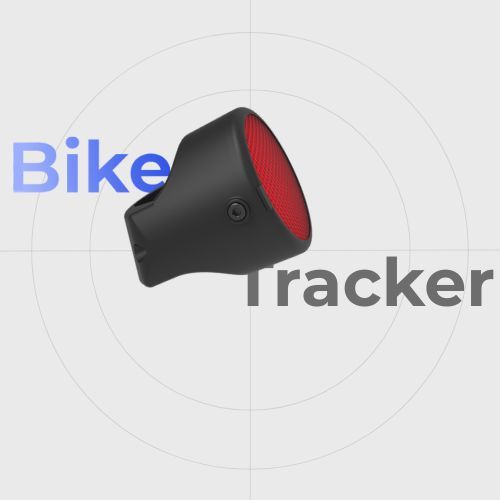
Why a GPS tracker changes the logic of theft #
A GPS tracker does not physically prevent theft. It does not replace a lock, an alarm, a garage, or smart habits.
But it adds a layer that traditional protections do not always provide: the ability to know that something is moving and to locate it afterward.
That changes the situation.
Without a tracker, theft is often discovered too late. With a tracker, you may receive a movement alert sooner and then follow the item’s location from an app.
| Without a tracker | With a GPS tracker |
|---|---|
| You notice the theft after the fact | You can receive a movement alert |
| You do not know where to look | You have location information |
| You mostly rely on chance | You increase the chances of recovery |
| You have limited information to share | You can provide more precise details |
This is especially useful for belongings that move or are often parked out of sight: cars, motorcycles, scooters, e-bikes, luggage, bags, and valuable equipment.
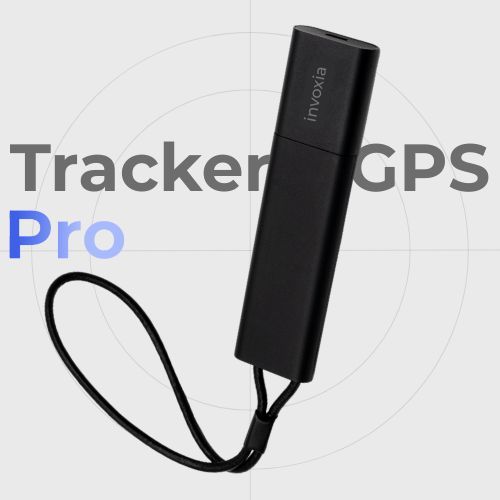
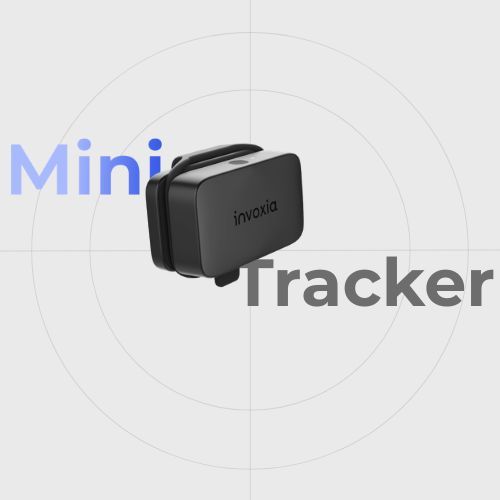
At Invoxia, GPS trackers are designed for everyday protection: discreet, low-power, adapted to different types of belongings, and connected to an app. The goal is not to promise the impossible. The goal is to add a practical layer of protection that improves reaction time and increases the chances of recovering what matters.
But remember: having a GPS tracker is great, but you also need to make sure you use it properly!
What should you do if something is stolen? #
Even with good habits, zero risk does not exist. If something is stolen, the priority is to act quickly without putting yourself in danger.
Here are the key steps to follow in most situations:
- Check that the item has not simply been moved or forgotten.
- Do not try to recover a stolen item yourself if it could lead to confrontation.
- Gather evidence: receipt, serial number, photos, location screenshot, and a precise description.
- File a police report.
- Contact your insurance provider if the item is covered.
- Block access if a phone, laptop, wallet, or documents were stolen.
- Share any useful information with the authorities.
If something is stolen, the safest approach is to report it to the relevant local authorities. Official guidance generally recommends contacting the police department or law enforcement agency where the theft occurred, and providing as much useful evidence as possible, such as receipts, serial numbers, photos, and any available location information. Sources such as USAGov’s guide on how to report a crime and Police.uk’s advice on reporting a crime to the right police force follow this same logic.
If the stolen item has a tracker, location information can help document the situation. But it should be used carefully: the right move is to share relevant information with the authorities, not to intervene alone.
With the Invoxia Theft File, this step becomes easier: you can download a PDF containing key information about the stolen item, along with a QR code giving access to its location.
Reducing the risk means making theft more complicated #
Things do not get stolen only because of bad luck. Theft often happens when an item becomes an easy target: visible, accessible, resellable, and poorly monitored.
The good news is that all of these factors can be reduced.
You can make your belongings less visible. You can slow thieves down with a stronger lock or smarter storage. You can identify your items. You can detect suspicious movement faster. And you can add a GPS tracker to locate an item if it moves unexpectedly.
The goal is not to control everything. The goal is to enjoy everyday life with more peace of mind by making theft less simple, less quick, and less invisible.
FAQ — Why Things Get Stolen and How to Reduce the Risk #
Why do things get stolen? #
Things often get stolen when a visible, accessible, and desirable item is in a situation with low supervision. Theft is frequently opportunistic: someone takes advantage of a moment of distraction, a crowded place, weak protection, or an easy escape route.
What items are most often targeted by thieves? #
The most attractive items are usually those that are easy to take and easy to resell: phones, bags, laptops, bikes, e-bikes, scooters, motorcycles, cars, luggage, tools, and visible valuables.
Where is theft risk highest? #
Risk increases in places where attention drops or crowds make theft less noticeable: public transportation, cafés, parking lots, train stations, shopping streets, building lobbies, bike rooms, beaches, parks, and tourist areas. The risk depends mainly on visibility, accessibility, and supervision.
How can I avoid having my belongings stolen? #
To reduce the risk, keep valuables out of sight, use strong physical protection, avoid predictable habits, identify your belongings, and add detection or location tools when the item is valuable. The goal is to make theft slower, harder, and riskier.
Is a lock enough to prevent theft? #
A lock helps reduce the risk, but it does not make theft impossible. Its role is to slow the thief down and make the target less attractive. For better protection, combine a strong lock with good parking habits, proof of ownership, an alarm, or a GPS tracker.
Does a GPS tracker prevent theft? #
No, a GPS tracker does not physically prevent theft. However, it can alert you to suspicious movement and help locate the item afterward. It adds a useful layer of security, especially for vehicles, bikes, luggage, bags, and valuable belongings.
What should I do if my bag, bike, or vehicle is stolen? #
First, avoid any direct confrontation. Gather available evidence, file a police report, contact your insurance provider if needed, and share any useful information with the authorities. If the item has a GPS tracker, location data may help document the situation, but you should not try to recover the item alone.
Why do thefts often happen during moments of distraction? #
Moments of distraction create opportunity. Paying at a café, boarding a train, checking directions, answering a call, or setting down a suitcase for a few seconds can make an item accessible. That is why simple awareness habits can significantly reduce theft risk.
*Study conducted in October 2024 by Invoxia among 7,325 respondents in France on theft risks across different modes of transportation.