












Asset utilization
Asset utilization refers to the measurement of an organization's efficiency in employing its physical resources, such as equipment, vehicles, and inventory, to generate revenue. It indicates how effectively these assets contribute to the operational goals of a business.
Understanding Asset Utilization
Asset utilization is typically expressed as a percentage and calculated by dividing the actual output of an asset by its potential output within a specific timeframe. For example, if a company leverages its GPS tracking devices to enhance fleet management, the utilization rate can provide insights into how frequently and effectively those assets are being used. High asset utilization rates can indicate optimal usage, which can lead to increased profitability and reduced operational costs.
Importance in IoT and GPS Tracking
In the realm of Internet of Things (IoT) and GPS tracking, asset utilization becomes crucial for various industries, including logistics, transportation, and pet monitoring. For instance, companies that utilize GPS trackers for their delivery vehicles can monitor how often and how efficiently these assets are in use. By analyzing patterns and data metrics, businesses can optimize routes, reduce idle time, and ultimately improve service delivery while minimizing waste and costs.
Asset Utilization in Pet Health Monitoring
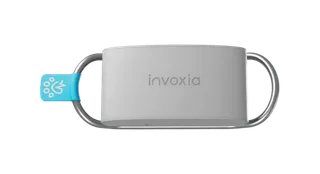
Asset utilization also plays a vital role in pet health monitoring devices. By utilizing various sensors and GPS technology, pet trackers can help pet owners and veterinary services monitor animals' activities, behaviors, and health metrics. Tracking how often a device is used on a pet, as well as how effectively it captures relevant data, can inform manufacturers on product improvement and enhance the user experience. This increased utilization not only benefits the pet and owner but can also enhance the overall value proposition for the technology provider.
In conclusion, understanding and improving asset utilization helps organizations make better operational decisions, leading to increased efficiency and overall success.