







GPS tracker
Definition
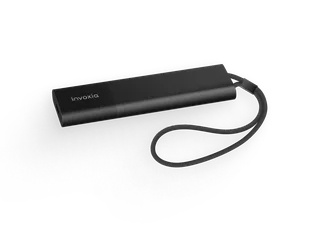
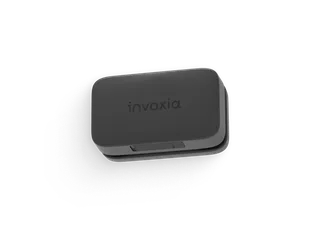
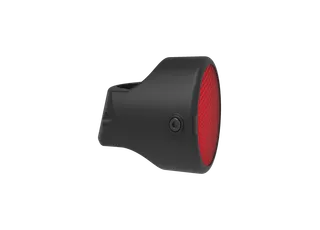
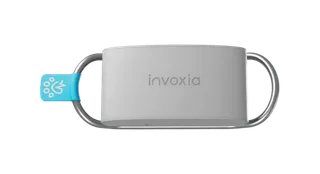
A GPS tracker is a portable device that utilizes the Global Positioning System (GPS) to determine and track the location of an object or person in real-time. Leveraging a network of satellites, GPS trackers provide accurate location data, which can be accessed via web applications or mobile apps. These devices play a vital role in various applications, from personal use to commercial and industrial purposes.
Applications of GPS Trackers
Personal Use
In the context of personal safety and security, GPS trackers are increasingly popular for monitoring the whereabouts of children, elderly family members, or valuable possessions. Parents can keep track of their children's location during outings or traveling, providing peace of mind.
Pet Monitoring
For pet owners, GPS tracking technology has revolutionized pet care. GPS-enabled pet health monitors and collars allow owners to track their pets’ locations in real-time, ensuring that they remain safe and can be retrieved quickly if they wander off. This integration of GPS tracking with dog-activity-monitoring helps in understanding pets’ behaviors and activities.
Fleet Management
Businesses often utilize GPS trackers in fleet management to monitor the location of vehicles, optimize routes, and ensure timely deliveries. By providing real-time tracking information, companies can improve efficiency, reduce fuel consumption, and enhance customer service.
How GPS Trackers Work
GPS trackers rely on a series of satellites that send signals to the device, which calculates its position based on the time it takes for the signals to travel. This data is then transmitted to a server or app where users can view real-time locations and historical tracking information. Many modern GPS trackers incorporate additional features such as geofencing, which alerts users if an object leaves a designated area, and sensor data collection for various applications.
Overall, GPS trackers are essential tools in today's interconnected world, providing reliable location-based services that empower users to stay informed about their assets, loved ones, and personal belongings.