






GPS chip
Definition
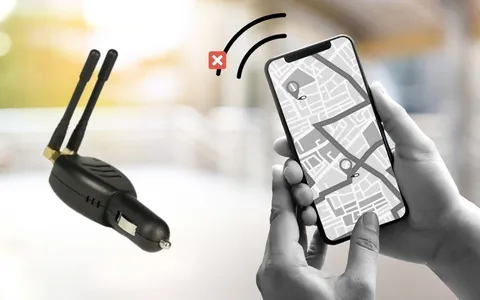
A GPS chip, or Global Positioning System chip, is a semiconductor device that receives signals from satellites to determine its geographical location on Earth. This technology is integral to various applications, including navigation, mapping, and tracking, making it essential in devices like smartphones, vehicles, and especially in GPS trackers and IoT devices.
Functionality
GPS chips work by triangulating signals from multiple satellites orbiting the Earth. Typically, a minimum of four satellites are required to accurately compute a precise location (latitude, longitude, and altitude). The chip processes the received signals to calculate the time it took for the signals to reach it, enabling it to pinpoint its location with remarkable accuracy, often within a few meters.
Integration in Devices
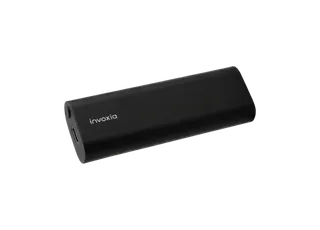
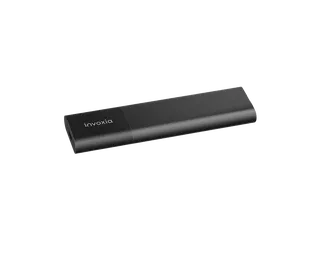
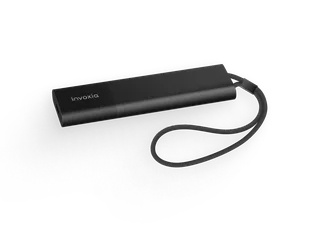
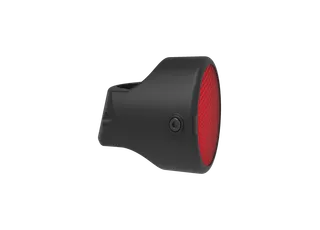
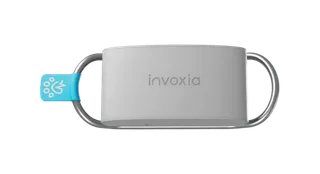
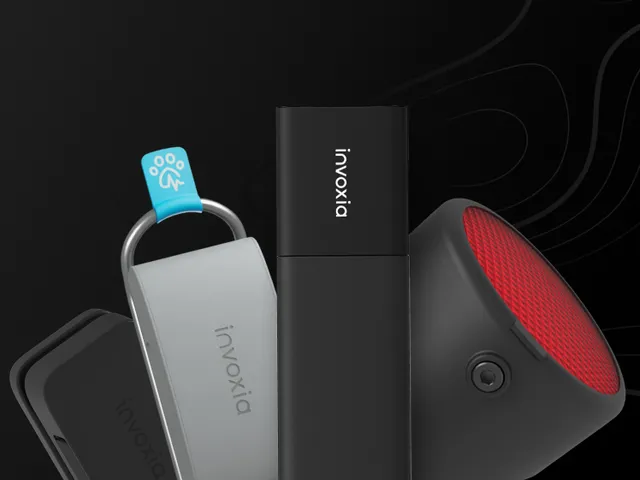
In Invoxia's products, GPS chips are crucial for real-time location tracking. For instance, GPS-enabled pet health monitors employ these chips to ensure pet owners can easily locate their furry companions. Additionally, GPS chips are vital in IoT devices, allowing for automated data collection related to location and movement, which can enhance operational efficiency in various sectors, including logistics and personal security.
Advantages
The incorporation of GPS chips in tracking devices offers numerous advantages:
- Real-time Tracking: Users can monitor the precise location of devices or pets remotely.
- Enhanced Safety: Parents can track their children’s movements or ensure pets do not stray too far, providing peace of mind.
- Geofencing Capabilities: Many GPS-enabled devices can set virtual boundaries. Alerts can notify users if a device crosses these predetermined zones.
Overall, GPS chips form the backbone of modern tracking solutions, making them a vital component in the world of IoT and pet monitoring, illuminating the importance of location tracking in our daily lives.