




Geofencing
Definition
Geofencing is a location-based service that uses GPS, RFID, Wi-Fi, or cellular data to create a virtual geographic boundary around a specific area. When a device—such as a smartphone, GPS tracker, or any IoT-enabled device—enters or exits this predefined area, it triggers a response, such as notifications, alerts, or automatic actions. This technology is widely utilized in various applications including logistics, marketing, and pet monitoring.
Applications in GPS Tracking and IoT
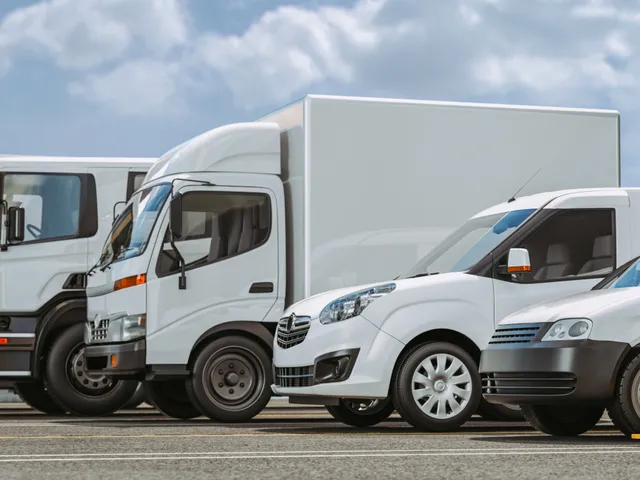
In GPS tracking systems, geofencing allows users to define safe zones for assets or individuals. For instance, parents can set up geofences around their children’s schools or playgrounds to receive alerts when they enter or leave these areas. Similarly, in logistics, companies can monitor vehicles to ensure they remain within designated delivery routes.
The integration of geofencing with IoT devices enhances its capabilities. Smart home devices can automate processes based on location, such as turning on lights or adjusting thermostats when homeowners cross into a designated boundary. In the realm of pet monitoring, geofencing is instrumental for ensuring the safety of pets. Pet owners can set up geofences to receive real-time alerts if their pets wander beyond the defined area.
Benefits of Geofencing
Using geofencing provides numerous benefits:
- Enhanced Safety: Geofencing helps ensure the safety of loved ones and valuable assets by providing instant notifications when they move outside designated areas.
- Real-time Monitoring: Users can receive updates in real-time, allowing for timely interventions if necessary.
- Improved Efficiency: Businesses can optimize operations by monitoring vehicle routes and ensuring compliance with travel restrictions.
Overall, geofencing is a versatile tool that enhances safety, efficiency, and convenience across various applications, particularly in GPS tracking, IoT devices, and pet health monitoring.