



Telemetry
Telemetry is the automated process of collecting data from a remote or inaccessible source and transmitting it wirelessly to a system for monitoring and analysis. The word literally means "measuring at a distance." Once confined to aerospace and industry, telemetry now underpins everyday GPS tracking, Internet of Things devices and connected pet trackers — turning far-away sensors into live, actionable information.
How telemetry works
A telemetry system has three parts working together:
- Sensors capture measurements — location, movement, temperature, heart rate or battery level — from the tracked device.
- Transmission carries that data over a wireless link: cellular networks (LTE-M, NB-IoT), satellite, Wi-Fi or Bluetooth Low Energy.
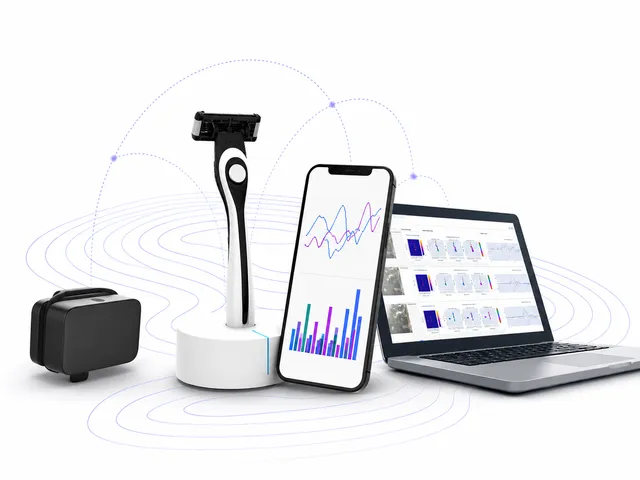
- Monitoring software receives, stores and visualizes the data so a user or another system can act on it in real time.
In a GPS tracker, for example, a GNSS chip fixes the position, and telemetry sends that position — plus movement and battery status — to an app on the owner's phone.
Telemetry vs tracking
Tracking is about where something is. Telemetry is broader: it also reports how something is — its condition, environment and behavior over time. Location is simply one of the many data streams telemetry can carry, which is why it sits at the heart of real-time location services (RTLS) and remote device monitoring.
Applications of telemetry
GPS tracking and asset monitoring
In GPS tracking, telemetry continuously relays an asset's, vehicle's or pet's location and status, enabling fast recovery and reliable asset monitoring. A GPS pet collar uses telemetry to stream location and activity data so owners can react the instant a pet strays.
IoT devices
Across IoT, telemetry lets connected gadgets share sensor data — temperature, motion, energy use — so systems can automate and optimize. Devices report their own health too, allowing predictive maintenance before a failure occurs.
Industrial and cold-chain monitoring
Telemetry monitors machinery vibration, fuel and temperature — critical for cold chain monitoring where perishable goods must stay within a safe range end to end.
Telemetry and Invoxia
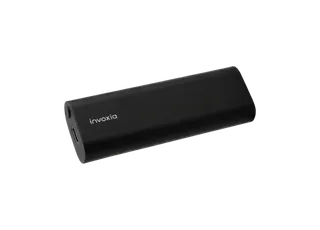
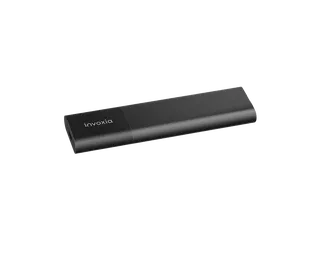
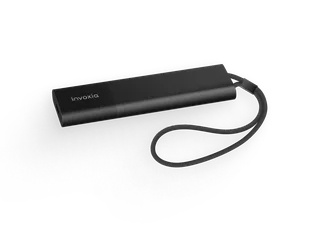
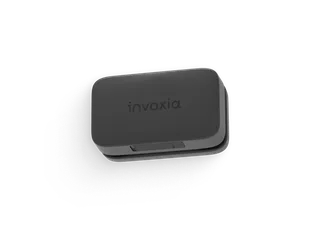
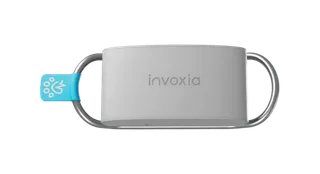
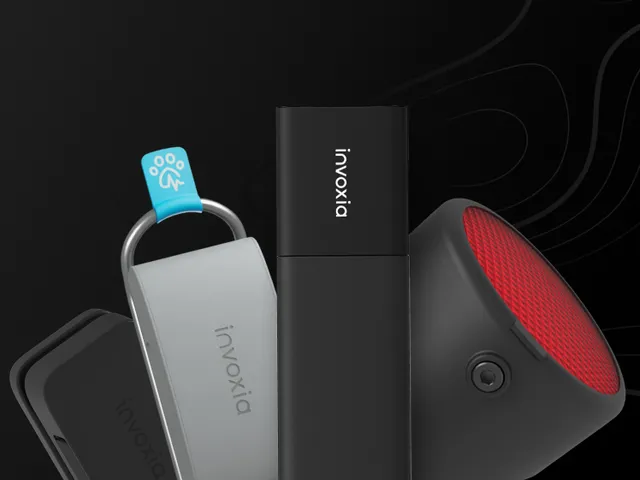
Every Invoxia tracker is a telemetry device: it senses location and movement, then transmits that data over a low-power cellular link so it can run for weeks between charges. This efficient telemetry is what lets a small tracker deliver real-time alerts, activity insights and geofence notifications without draining its battery.
Frequently asked questions
What is telemetry in simple terms?
Telemetry is measuring something remotely and automatically sending that measurement somewhere else to be monitored — for example, a tracker recording its location and beaming it to your phone.
What is the difference between telemetry and tracking?
Tracking answers where an object is; telemetry is the wider practice of collecting and transmitting any remote data — location, temperature, movement or battery — not just position.
What data does a GPS tracker's telemetry send?
Typically its location (from GNSS), movement and speed, battery level, and sometimes environmental data such as temperature — all sent wirelessly to a cloud platform or app.
What networks carry telemetry data?
Common choices are low-power cellular networks (LTE-M, NB-IoT), satellite links, Wi-Fi and Bluetooth, selected according to range, power budget and how often data must be sent.