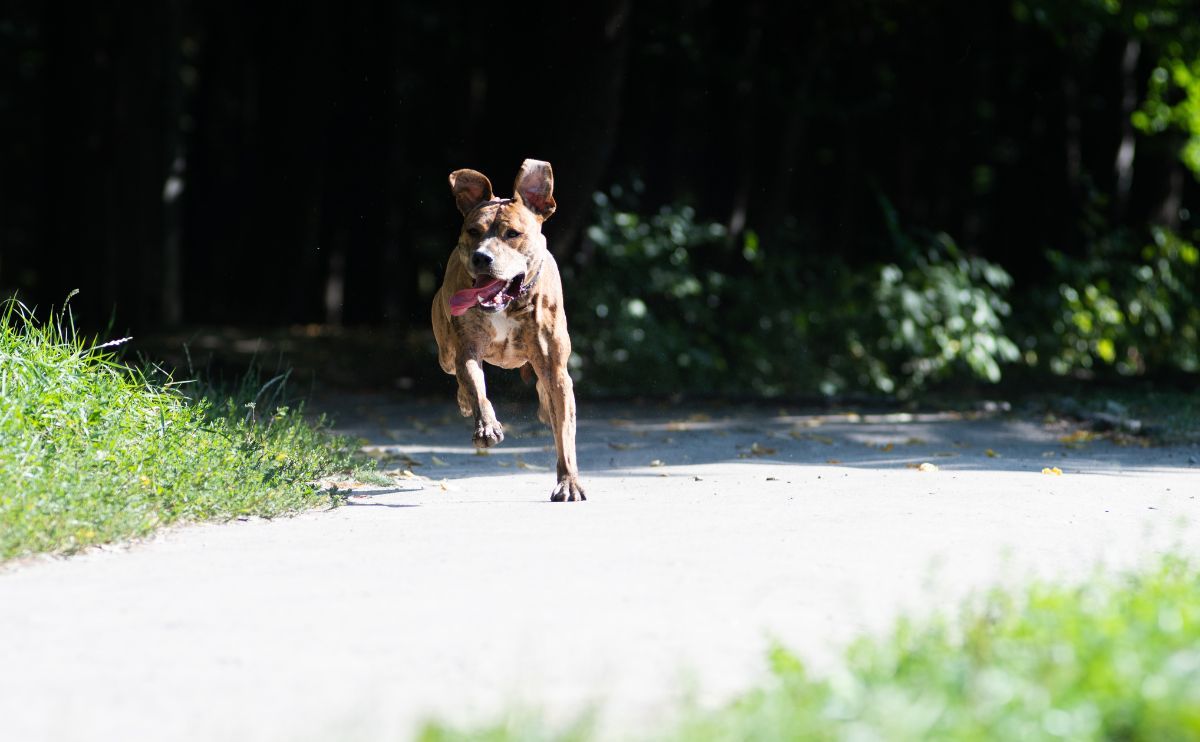

How to Prevent Your Dog from Running Away

·19 mins
Gps Technology
Author
Emma
Canine Community Manager at Invoxia
Table of Contents

A gate left slightly open, an irresistible scent, a sudden loud noise, another dog nearby, an unsecured yard… A dog can run away in seconds, even if they are well-trained and deeply attached to their family.

And when a dog disappears, panic sets in fast: traffic, injury, disorientation, theft, encounters with other animals, or simply not being able to call them back. A runaway dog is not just “going for a little adventure.” It can quickly become a dangerous situation.

Some moments are especially risky. In the US, American Humane warns that more pets go missing over the Fourth of July weekend than at any other time of year, largely because fireworks can cause animals to panic and flee. The same risk can apply around New Year’s Eve, local celebrations, thunderstorms, travel, moving house, or any situation that changes your dog’s usual environment.

The good news is that many runaway situations can be prevented. The key is to understand why your dog wants to escape, secure their environment, work on recall, meet their physical and mental needs, anticipate stressful moments, and use the right safety tools.

In this article, we’ll look at why dogs run away, how to reduce the risk day to day, and what you can do to keep your dog safer at home, on walks, and while traveling.

Help prevent escapes with Biotracker

Why do dogs run away?
#

Before trying to stop a dog from running away, it’s important to understand what triggers the behavior. Dogs don’t all escape for the same reason: some follow their instincts, some panic, some are bored, some are frustrated, and others simply find a weak spot in their environment.

Identifying the cause matters because a dog who bolts after a scent does not need the exact same prevention plan as a dog who panics during fireworks.

Dog running away: why do dogs escape?

Their instinct to explore
#

Dogs experience the world largely through their sense of smell. A wildlife trail, another dog, a cat, a new scent, or an open gate can be enough to grab their full attention.

In those moments, your dog is not necessarily trying to “disobey.” They may simply be following a stimulus that feels much stronger than your recall cue, especially in an environment full of smells, movement, and distractions.

This can happen with any dog, but it is often more common in curious dogs, hunting breeds, primitive breeds, sporty dogs, and dogs with a strong need to explore.

Boredom and lack of stimulation
#

A dog who does not get enough physical or mental stimulation may start looking for entertainment on their own. If walks are too short, too repetitive, or only focused on bathroom breaks, the outside world can become extremely tempting.

Boredom can lead a dog to dig under a fence, jump over a gate, slip through a gap, or dash out of an open door.

To reduce this risk, think about your dog’s needs as a whole: walks, sniffing time, play, chewing, problem-solving, social interaction, exploration, and rest.

Also read: Dog exercises and activities: the complete guide

Fear or panic
#

Some escapes are fear responses. A dog may run away because of fireworks, thunderstorms, construction noise, traffic, another dog, a crowded place, or any unfamiliar situation that overwhelms them.

In this case, your dog is not trying to go on a walk. They are trying to get away from something they perceive as dangerous. These escapes can be especially risky because a panicked dog may run far, fast, and without any sense of direction.

Fireworks, storms, loud celebrations, and unfamiliar environments are all moments when extra caution is needed. The American Kennel Club notes that up to half of dogs may react fearfully to fireworks, according to owner surveys.

Reproductive instinct
#

An intact male dog may run away to follow the scent of a female in heat. Female dogs may also try to escape during certain parts of their cycle.

In these situations, your dog’s motivation can be very strong. Recall, fences, and usual routines may suddenly become less reliable. If this sounds familiar, speak with your veterinarian about what makes sense for your dog’s age, health, and lifestyle.

Separation anxiety
#

Some dogs try to escape when left alone. They may scratch at doors, force windows, dig under fencing, or attempt to find their owner.

This type of escape is often linked to emotional distress. Strengthening the fence or locking the door may help in the short term, but it does not address the root cause. If your dog panics when alone, it is best to work with a veterinarian, certified trainer, or behavior professional.

A new environment
#

Moving house, staying with friends, going on vacation, visiting a holiday home, or leaving your dog with a sitter can all increase the risk of escape.

A dog who knows their own neighborhood may feel disoriented in a new place. They may try to return home, follow an unfamiliar scent, panic at a new sound, or escape from a yard they do not know.

Before traveling with your dog, check their ID, microchip details, collar tag, temporary address, doors, windows, balconies, fencing, and all access points.

Can any dog run away?
#

Yes. Any dog can run away, even a calm, well-trained dog who loves their family.

An escape can be triggered by a one-off situation: an open door, fireworks, a rest stop, a cat crossing the street, a delivery driver leaving the gate open, a vacation rental, or a sudden loud noise.

However, some dogs need extra attention:

  • young dogs, who may be more impulsive;
  • recently adopted dogs;
  • hunting dogs or dogs strongly driven by scent;
  • highly energetic or adventurous dogs;
  • anxious dogs or dogs sensitive to noise;
  • intact dogs;
  • dogs who are not getting enough stimulation;
  • dogs living in an unsecured environment;
  • dogs who have already escaped before.

Some dog breeds are more often associated with running away, exploration, independence, or prey drive.

How to prevent your dog from running away
#

There is no single magic solution. The best approach combines several layers: environment management, training, activity, anticipation, identification, and tracking.

1. Identify your dog’s escape triggers
#

Start by observing when your dog tries to run away.

Does it happen from the yard? During walks? When they hear a loud noise? When they are left alone? When they see another animal? When a gate opens? While traveling? At someone else’s home?

Try to note:

  • when the escape happened;
  • where it happened;
  • the possible trigger;
  • the direction your dog took;
  • how long they were gone;
  • how they behaved when they came back;
  • where they were found;
  • whether the same pattern happens again.

This information can help you understand the behavior and choose the right prevention plan.

A bored dog needs more stimulation. A frightened dog needs anticipation and reassurance. A scent-driven dog may need stronger recall, more leash or long-line management, and safer environments.

2. Secure your yard
#

The yard is often seen as a safe space. But it is also one of the most common places where dogs escape: a gate that does not latch properly, a gap under the fence, a low wall, a hole in a hedge, outdoor furniture that works as a step, or an access point no one noticed.

Before leaving your dog outside, regularly check:

  • fence height;
  • gaps under the fence;
  • holes in hedges;
  • gates and latches;
  • areas near roads;
  • objects your dog could use to climb;
  • places where your dog has tried to dig before.

If your dog digs, you may need to reinforce the bottom of the fence, bury part of the fencing, or block vulnerable areas with safe landscaping or barriers.

Avoid leaving your dog alone in the yard for long periods. Even a fenced yard does not replace real walks, interaction, play, and mental stimulation.

Discover virtual fences with Biotracker

How to prevent your dog from running away

3. Build a stronger recall
#

Recall is one of the most important skills for preventing escapes on walks. But it needs to be built gradually, starting in easy environments and moving toward more distracting ones.

Start somewhere quiet, with few distractions. Reward generously when your dog comes back: treats, play, a happy voice, or petting if they enjoy it. The goal is for your dog to feel that coming back to you is always worth it.

Avoid only calling your dog when the fun is over, when you want to put the leash back on, or when you are frustrated. Otherwise, your dog may learn that recall means the end of freedom.

Progress step by step:

  1. at home;
  2. in the yard;
  3. in a quiet area on a long line;
  4. in a low-distraction park;
  5. in a more stimulating environment;
  6. around other dogs, smells, or movement.

A long line is especially helpful. It gives your dog more freedom while keeping a physical safety backup if they suddenly follow a scent.

Even with good recall, no cue is 100% reliable in every situation. Wildlife, panic, traffic, or a sudden loud noise can still override training.

4. Meet your dog’s activity needs
#

A well-stimulated dog is often less tempted to go looking for adventure alone. But activity does not only mean running until your dog is exhausted.

Dogs also need to sniff, explore, think, chew, interact, learn, and rest.

To enrich your dog’s routine, try varying:

  • walking routes;
  • sniffing games;
  • long-line walks;
  • slow “sniff walks”;
  • recall games;
  • controlled dog-to-dog interactions;
  • puzzle toys;
  • safe chewing activities;
  • scent work.

Some dogs naturally need more activity than others. A young, athletic, or working-type dog may need longer outings, structured tasks, or specific activities to channel their energy.

The goal is not to tire your dog out at all costs. It is to meet their needs so they are less likely to seek stimulation elsewhere.

5. Anticipate fear-based escapes
#

Fear-based escapes are often the hardest to predict. A dog can bolt because of fireworks, thunder, a car backfiring, a loud group of people, an aggressive dog, or a sudden unfamiliar event.

The best response is prevention.

Before a high-risk evening, such as the Fourth of July, New Year’s Eve, a local fireworks display, or a stormy night:

  • walk your dog earlier in the day;
  • avoid going out during fireworks or loud events;
  • keep your dog indoors;
  • close windows, doors, and curtains if possible;
  • create a quiet safe space;
  • use background noise if it helps;
  • do not force your dog to “face” the noise;
  • check that they are wearing an ID tag;
  • make sure microchip details are up to date.

American Humane recommends keeping pets indoors and away from fireworks, and staying with them if they are frightened by loud noises.

If your dog regularly panics, ask your veterinarian for advice. Some noise fears require a structured behavior plan, and in some cases veterinary support can make a big difference.

6. Manage doors, gates, and transition moments
#

Many escapes begin with something simple: an open door. A guest arrives, a child opens the gate, groceries are being unloaded, the trash is taken out, a delivery driver comes by, or you arrive at a vacation rental and everyone is distracted.

These transition moments are high-risk because human attention is often elsewhere.

To reduce the risk:

  • teach your dog to wait before crossing a doorway;
  • use a baby gate or entryway barrier if possible;
  • clip the leash on before opening the car trunk;
  • ask guests not to open doors without warning;
  • keep a leash near the entrance;
  • supervise arrivals in a new place;
  • check gates after visitors, contractors, or deliveries.

In the car, be especially careful at rest stops, parking lots, and gas stations. Always secure your dog before opening a door or trunk.

7. Keep your dog’s ID and microchip details updated
#

Identification does not prevent a dog from running away, but it can make a major difference if someone finds them.

The American Veterinary Medical Association explains that microchipping improves the chance of getting a lost or stolen pet back. But a microchip only works if the registration information is current.

Before anything happens, make sure:

  • your dog is microchipped;
  • the microchip is registered;
  • your phone number is up to date;
  • your email address is active;
  • your address is current;
  • temporary travel information is updated when relevant;
  • your dog wears an ID tag with a readable phone number.

A collar tag is still useful because it allows someone nearby to contact you immediately, without needing a vet clinic or shelter to scan the chip.

8. Use a GPS dog tracker
#

A GPS tracker does not replace training, supervision, identification, or a secure environment. But it adds an important layer of safety, especially if your dog is adventurous, easily frightened, recently adopted, traveling, or has already escaped before.

The benefit is simple: if your dog leaves a safe area or starts moving away, you can act faster.

With real-time GPS, you do not have to wait for someone to find your dog or for a vet clinic to scan a microchip. You can follow their location and guide your search immediately.

This can be especially useful:

  • on walks;
  • in the yard;
  • while traveling;
  • in the countryside;
  • in a new home;
  • at a friend’s house;
  • with a pet sitter;
  • if your dog follows scents easily;
  • if your dog has escaped before.

Discover Invoxia Biotracker

9. Create virtual fences
#

Virtual fences let you define a safe zone around a place: your home, yard, vacation home, second home, pet sitter’s house, or boarding location.

If your dog leaves the defined area, you receive an alert. A virtual fence does not physically stop your dog, but it helps you react faster before they get too far away.

This feature is especially useful for:

  • dogs with access to a yard;
  • dogs staying with friends or family;
  • vacations in an unfamiliar place;
  • dogs who test boundaries;
  • dogs who slip through open gates;
  • dogs who have already escaped.

A virtual fence should not be seen as a standalone solution. It works best alongside a secure yard, good recall, active supervision, and updated identification.

Dog escape prevention: virtual fences to help avoid scary moments

10. Get help if escapes keep happening
#

If your dog runs away repeatedly, do not ignore it. Repeated escapes may point to a deeper issue: anxiety, fear, frustration, unmet activity needs, strong prey drive, cognitive changes in an older dog, pain, or discomfort.

A veterinarian can help rule out medical or hormonal causes. A certified trainer or behavior professional can help identify triggers and create a practical plan.

If your dog is also showing changes in behavior, unusual fatigue, disorientation, restlessness, changes in sleep, or a sudden change in routine, it is worth seeking professional advice.

Also read: How to monitor your dog’s health day to day and Dog symptoms you should never ignore

What to do if your dog runs away anyway
#

Even with good prevention, an escape can still happen. If it does, act quickly, but try to stay organized.

Stay near the starting point
#

If your dog has just run off, avoid everyone scattering without a plan. Some dogs return to the place where they last saw their owner, especially if they know the area.

If several people are helping, one person should stay near the starting point while others search nearby.

Search the closest areas first
#

Start with the most likely places:

  • familiar walking routes;
  • nearby parks;
  • a neighbor’s yard;
  • wooded areas;
  • places your dog likes;
  • places where they have been found before;
  • roads, parking lots, or open spaces nearby.

Call your dog calmly. A stressed dog may be harder to approach if everyone is shouting, running, or trying to grab them.

Contact local shelters, vets, and animal control
#

Contact nearby veterinary clinics, shelters, rescue groups, and local animal control services. If you are traveling, ask local authorities or local pet communities where lost dogs are usually reported.

In the UK, GOV.UK explains that local authorities can be involved when a dog appears to be stray. Rules vary by country, state, and local area, so it is always worth checking the local process where you live or travel.

Share a clear lost dog notice
#

Prepare a notice with:

  • a recent photo;
  • your dog’s name;
  • breed or type;
  • size;
  • color;
  • place and time last seen;
  • behavior notes: shy, friendly, do not chase, etc.;
  • your phone number;
  • whether your dog is microchipped.

Share it with neighbors, local businesses, vets, shelters, social media groups, and lost-pet platforms.

Use GPS location if your dog wears a tracker
#

If your dog wears a GPS tracker, open the app and follow their location. Try to anticipate their path rather than chasing them, especially if they are panicked.

Approach calmly, avoid shouting, crouch down if appropriate, and use a reassuring voice. If your dog is frightened, the goal is to avoid pushing them farther away.

Invoxia Biotracker dog GPS and health tracker

Dog escapes and legal responsibility #

A runaway dog is not only a safety issue. It can also become a responsibility issue.

Laws vary depending on where you live, but in many countries dog owners are expected to keep their dogs under control in public spaces. In the UK, for example, GOV.UK states that owners can be fined if their dog is out of control in public.

A dog who runs loose may get injured, cause an accident, frighten someone, chase wildlife, injure another animal, or be picked up by local authorities.

Preventing escapes protects your dog, but it also protects the people, animals, and community around them.

Mistakes to avoid with a runaway dog
#

When a dog runs away, it is completely normal to feel stressed. But some reactions can make the situation worse or increase the chance of it happening again.

Punishing your dog when they come back
#

Even if you were terrified, avoid scolding your dog when they return. They may learn that coming back leads to something negative, which can make recall harder next time.

Secure your dog, reward the return calmly, and then look at what triggered the escape.

Leaving your dog alone in the yard for too long
#

A yard is not a complete enrichment plan. If your dog is bored, hears noises, sees other animals, or finds a weak spot, they may still try to get out.

It is also easy to assume that dogs with a yard automatically get enough exercise. In reality, some dogs who live in houses with gardens may get fewer structured walks than dogs living in apartments, simply because their owners rely on the yard more often.

Assuming “it won’t happen to my dog”
#

Even calm dogs can run away in unusual situations. An open door, fireworks, a rest stop, a vacation rental, or a sudden noise can be enough.

Relying only on the microchip
#

A microchip is essential, but it does not show your dog’s real-time location. It helps someone contact you if your dog is found and scanned.

For faster action, a GPS tracker can be a valuable complement.

Letting a newly adopted dog off-leash too soon
#

A recently adopted dog needs time to bond, learn the environment, and build reliable recall. Even if they seem attached to you, use a leash or long line at first and avoid unsecured open areas.

Preventing escape in different situations
#

At home
#

  • Check fences, gates, and hedges regularly.
  • Do not leave your dog alone outside for long periods.
  • Keep an ID tag on your dog.
  • Create a GPS safe zone if your dog wears a tracker.
  • Practice recall and waiting at doors.

On walks
#

  • Use a long line in open areas.
  • Avoid off-leash time near roads.
  • Match freedom to your dog’s recall level.
  • Watch for wildlife, bikes, joggers, children, and other dogs.
  • Reward spontaneous check-ins.

While traveling
#

  • Check access points as soon as you arrive.
  • Keep your dog on leash during the first hours.
  • Update temporary contact details when possible.
  • Use GPS in unfamiliar places.
  • Keep a recent photo and microchip number accessible.

In the car
#

  • Secure your dog before opening a door or trunk.
  • Do not let your dog loose at rest stops.
  • Keep the leash within reach.
  • Use a crate, harness, or car barrier when appropriate.
  • Never leave your dog alone in a hot car.

During fireworks or thunderstorms
#

  • Walk your dog before the noise starts.
  • Keep your dog indoors.
  • Close doors and windows.
  • Prepare a quiet safe space.
  • Do not force your dog outside.
  • Ask your veterinarian for help if your dog often panics.

Invoxia Biotracker: a smart safety tool for dogs who may run away
#

Preventing escapes is not about relying on one single tool. But if your dog is curious, athletic, anxious, adventurous, or already prone to running off, GPS tracking can change the way you manage risk.

Invoxia Biotracker helps you keep an eye on your dog day to day with safety features designed for real life:

  • real-time GPS to track your dog’s location;
  • virtual fences to create safe zones;
  • exit alerts so you can react faster;
  • activity tracking to better understand your dog’s exercise needs;
  • health monitoring to follow key wellbeing indicators;
  • a mobile app to keep everything in one place.

It is especially useful if your dog has access to a yard, goes on frequent walks, travels with you, stays with friends or family, or has already shown signs of escaping.

Track your dog in real time with Biotracker

FAQ: how to prevent your dog from running away
#

Why does my dog run away?
#

A dog may run away because of boredom, fear, prey drive, curiosity, reproductive instinct, separation anxiety, or an unsecured environment. The first step is to identify when and why the escape happens.

How can I stop my dog from escaping the yard?
#

Check fences, gates, gaps, digging spots, and anything your dog could climb on. Avoid leaving your dog alone outside for too long. A GPS tracker with virtual fences can also alert you if your dog leaves a defined area.

Does a GPS tracker stop a dog from running away?
#

No. A GPS tracker does not physically stop a dog from leaving. But it helps you track your dog’s location, receive alerts, and act faster if they move away. It is a useful complement to training, identification, and a secure environment.

What should I do if my dog keeps running away?
#

Look for the underlying cause: boredom, fear, anxiety, prey drive, poor fencing, weak recall, or a change in behavior. A veterinarian, certified trainer, or behavior professional can help you build a plan that fits your dog.

Should I punish my dog when they come back?
#

No. Scolding your dog when they return can make them associate coming back with something negative. Secure them, reward the return calmly, and then look for what caused the escape.

How can I stop my dog from running away on vacation?
#

Keep your dog on leash during the first days, check doors, gates, windows, and fences, make sure ID and microchip details are up to date, use a collar tag with your phone number, and consider GPS tracking in unfamiliar places.

Which dog breeds are most likely to run away?
#

Some breeds with strong prey drive, high energy, or independent temperaments may be more at risk. But escape behavior also depends on training, environment, stimulation, and personality. Read our dedicated guide: Which dog breeds are most likely to run away?

Related

Dog Heart Rate Variability: The New Health Data Now Available on the Biotracker
·4 mins
News Technology Health Tips
An AI That Watches Your Dog’s Breathing Even More Closely
·2 mins
Health Technology
Calorie and Distance Tracking: The Minitailz Biotracker GPS Gets Even Better!
·6 mins
Health Technology News
Walking Your Dog Without a Leash: Yes or No?
·7 mins
Gps Activity Tips
Invoxia acquires Caremitou: the connected litter box will soon join our range of biotrackers!
·4 mins
Health News Technology