

Your dog is scratching more than usual, scooting across the carpet, or seems tired after his walk. Could it be parasites? Which ones are the most common, how do you spot them, and does your dog really need protection in winter?
Parasites in dogs fall into two groups: external parasites, which live on the skin and coat (fleas, ticks, mites), and internal parasites, which live in the intestines, heart or lungs (worms, giardia, heartworm). Many dogs with parasites show no signs at first: that’s why veterinarians recommend regular, year-round prevention rather than waiting for symptoms.
External parasites: on the skin and coat #
These are the parasites you can sometimes see, or at least see the effects of: scratching, redness, hair loss, discharge in the ears.
Fleas #
Fleas love warmth and humidity, but they are a problem all year round in heated homes. According to the AVMA guide to external parasites, signs range from mild redness to scratching that causes sores, and small black specks in the coat (“flea dirt”) are often the first clue. Fleas can cause allergies, anemia in puppies or small dogs, and they transmit tapeworms.
Most of the flea life cycle happens off your dog, in carpets and bedding: treating only your dog isn’t enough. To spot fleas and get rid of them for good, treat your dog and his environment at the same time.
Ticks #
Ticks live in tall grass, woods and brush. On dogs, they are usually found around the neck, the ears and between the toes. They can transmit diseases such as Lyme disease, as well as babesiosis, which destroys red blood cells and needs a quick vet visit: learn to recognize the signs of babesiosis, including in the fall. Remove a tick with tweezers or a tick remover, as close to the skin as possible, without crushing or twisting it, and follow these steps to prevent tick bites during the high-risk seasons.
Screwworm #
The New World screwworm is a fly whose larvae feed on living flesh. It lays its eggs in open wounds, and it has been confirmed in dogs in New Mexico and Arizona this fall. The risk remains low for most dogs, but any wound that doesn’t heal, smells bad or contains maggots needs a vet the same day. If you live in or travel to an affected area, check your dog for screwworm every day.
Sand flies and leishmaniasis #
If you travel to Southern Europe with your dog, there’s one more parasite to know: the sand fly, a tiny flying insect that transmits leishmaniasis around the Mediterranean. Before you leave, ask your vet how to protect your dog from sand flies with a repellent product.
Mites: mange and ear mites #
Mites are too small to be seen with the naked eye. Three types are common in dogs:
- sarcoptic mange: very contagious between dogs, and to people. The Cornell Riney Canine Health Center describes extreme itchiness, often on the ear margins, elbows and hocks, with red, crusted, hairless skin. All dogs in the household need treatment, even those without signs;
- demodectic mange (demodex): not highly contagious. Localized forms, common in young dogs, often resolve on their own; generalized forms are more serious and need veterinary treatment;
- ear mites: highly contagious through close contact or shared bedding. Watch for head shaking, ear scratching and a brown or black discharge.
Internal parasites: worms and protozoa #
Internal parasites are harder to spot: many dogs carry them without any visible signs. Only a fecal test, or a blood test for heartworm, can confirm them.
Roundworms #
Roundworms are among the most common intestinal worms. As the CDC explains for pet owners, puppies are often infected by their mother before birth, and adult dogs are infected by swallowing dirt that contains eggs or larvae. Most dogs show no signs; some vomit, eat less or lose weight. In young puppies, a heavy infection can be fatal.
These worms also concern your family: their eggs, passed in the stool, can survive in parks, playgrounds and yards for weeks and even years. Swallowed by accident, they can infect people, and children who play on the ground are more at risk. That’s why picking up your dog’s poop is one of the most important prevention habits.
Hookworms #
Hookworms feed on blood. In puppies, the CAPC hookworm guidelines list pale gums, anemia, poor weight gain and dark, tarry diarrhea among the signs. Healthy adult dogs often show few or no signs. Hookworm larvae can also go through human skin, typically on bare feet on contaminated ground.
Tapeworms #
The most common tapeworm in dogs comes from fleas: your dog swallows an infected flea while grooming. According to VCA Animal Hospitals, the worm’s segments look like grains of rice and can be seen around the anus or on the stool. Your dog may scoot across the floor. Tapeworms are rarely serious, but they keep coming back as long as fleas aren’t eliminated.
Whipworms #
Dogs get whipworms by swallowing eggs from the soil, where they can stay infective for years. Many infections go unnoticed. When signs appear, the CAPC whipworm guidelines describe diarrhea often streaked with mucus and fresh blood.
Giardia #
Giardia is a microscopic parasite that dogs swallow with water, soil, food or objects contaminated by feces. The Cornell Riney Canine Health Center notes that many infected dogs keep a normal appetite and energy. When signs appear, it’s mostly sudden diarrhea, with soft or watery stool, mucus and a strong odor. Transmission from dogs to people is rare, but washing your hands after picking up stool is still important.
Heartworm #
Heartworm is transmitted by mosquito bites. According to the MSD Veterinary Manual, any dog can be infected, whether he lives indoors or outdoors. Signs include coughing, tiring quickly during exercise and labored breathing, but a sedentary dog may show few signs even with many worms. Year-round prevention is recommended for most dogs, starting at 6 to 8 weeks of age, with a yearly blood test.
💡 Good to know
Contrary to what many people think, parasites don't disappear in winter. Fleas keep developing in heated homes, and worm eggs stay in the soil for months, even years. That's why the Companion Animal Parasite Council, the US expert group on pet parasites, recommends year-round broad-spectrum parasite control.
Warning signs to watch for #
Some signs point to a parasite, but most can also have other causes. Watch for:
- scratching, licking or biting at the skin, redness or hair loss;
- small black specks in the coat, or a tick on the neck, ears or between the toes;
- head shaking or a dark discharge in the ears;
- scooting, or small white segments around the anus;
- diarrhea, with or without mucus or blood, or vomiting;
- weight loss or a dull coat despite normal meals;
- a cough, or getting tired more quickly on walks;
- a swollen belly or pale gums, especially in a puppy.
None of these signs is enough to tell which parasite is involved: your vet will confirm it with a fecal test, a blood test or a skin scraping.
How to protect your dog from parasites #
Prevention rests on a few simple habits:
- Give a preventive all year round, as prescribed by your vet. Ask which parasites it covers: fleas, ticks, intestinal worms, heartworm. Not every product covers all of them.
- Deworm puppies early: the CAPC recommends treating puppies at 2, 4, 6 and 8 weeks of age, then starting a monthly preventive.
- Have fecal tests done regularly: at least four times in the first year, then at least twice a year for adult dogs, according to the CAPC.
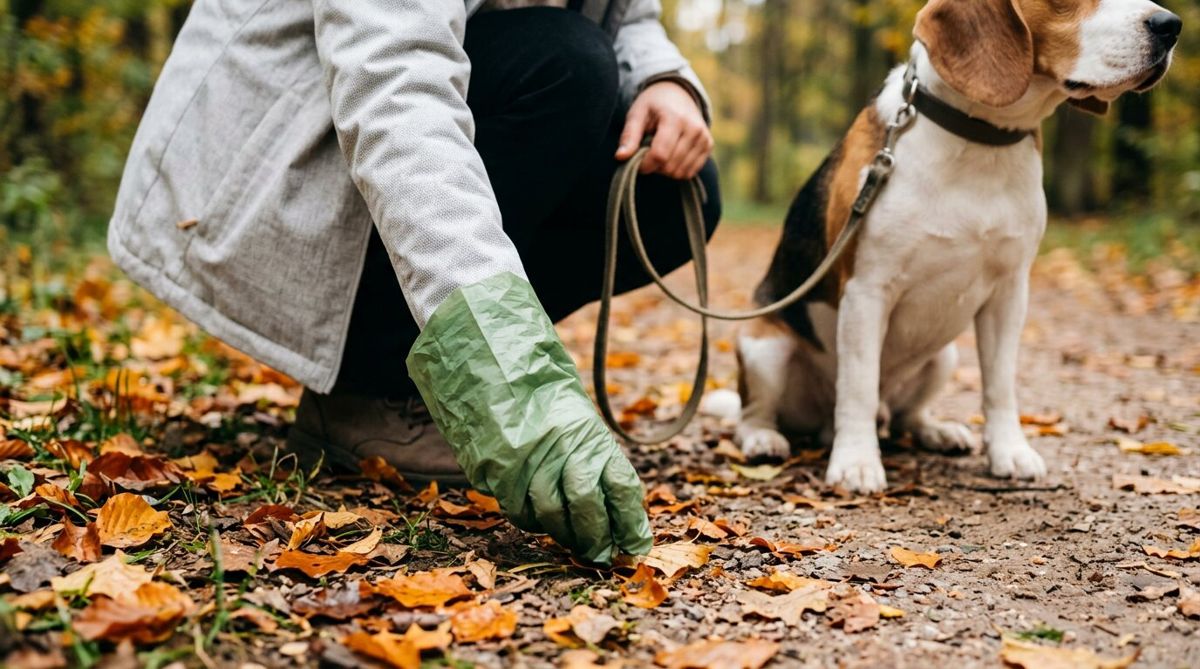
- Pick up his poop, at home and on walks, at least once a week in the yard as the CDC advises. Parasites can develop in it and infect your dog, other dogs, or even you and the people around you.
- Check him after walks, especially between the toes, around the ears and the neck.
- Treat his environment if he has fleas: wash his bedding and vacuum.
- Think about travel: an area with screwworm cases, or a trip to Southern Europe, may call for extra protection.
- Wash your hands after handling your dog or his stool, and after gardening.
The hardest part is often keeping track: which product, which date, when the next dose is due. That’s what a dog health booklet is for. In the Biotracker app, it brings together vaccines, treatments and vet appointments, with reminders so you never miss a dewormer.
And because many parasites cause few visible signs, noticing small changes matters. The Biotracker follows your dog’s activity and sleep every day and compares them to his usual habits. If he moves less or sleeps poorly for several days, you see it in the app, and you know it’s time to talk to your vet, whom you can invite to view this data with Biotrack. The Biotracker doesn’t detect parasites and doesn’t make a diagnosis: it helps you know when to ask for your vet’s opinion.
When to see a vet #
Book an appointment if your dog scratches a lot, loses hair, has diarrhea for more than a day or two, loses weight, or if you see worms or segments in his stool. See a vet the same day if:
- your puppy has diarrhea, seems weak or has pale gums;
- there is blood in the stool, or your dog vomits repeatedly;
- your dog coughs, has trouble breathing or tires very quickly;
- your dog seems lethargic in the days after a tick bite;
- a wound smells bad, doesn’t heal or contains maggots.
Don’t give your dog a dewormer or a flea and tick product without asking your vet, especially a product made for another species or another weight: some dog products can be deadly for cats.
FAQ — parasites in dogs #
What are the most common parasites in dogs? #
Fleas, ticks, roundworms, hookworms, tapeworms, whipworms and giardia are among the most common. Mites (mange, ear mites) also affect many dogs, and heartworm, transmitted by mosquitoes, is a risk for every dog.
How often should I deworm my dog? #
Puppies are dewormed at 2, 4, 6 and 8 weeks of age, then put on a monthly preventive. For adult dogs, the CAPC recommends year-round parasite control and a fecal test at least twice a year. Your vet adapts this schedule to your dog’s lifestyle.
How do I know if my dog has worms? #
Often, you don’t: many dogs with worms show no signs. Diarrhea, vomiting, weight loss, a swollen belly in a puppy or segments in the stool can be clues. Only a fecal test, done by your vet, can confirm it.
Can I catch parasites from my dog? #
Yes, some of them: roundworms and hookworms, whose eggs and larvae contaminate the environment, and sarcoptic mange in particular. Picking up poop, washing your hands and keeping your dog on a preventive greatly reduce the risk. Young children, who play on the ground, are more exposed.
Does my dog need parasite prevention in winter? #
Yes. Fleas survive in heated homes and worm eggs stay in the soil for a long time. Veterinary guidelines recommend year-round prevention for most dogs, including against heartworm.
In summary #
Parasites in dogs are either external (fleas, ticks, sand flies, mites) or internal (roundworms, hookworms, tapeworms, whipworms, giardia, heartworm). Many cause no signs at first: don’t wait for symptoms. Give a preventive all year round, have regular fecal tests, pick up his poop and check him after walks. If he scratches a lot, has diarrhea, loses weight or coughs, see your vet, who will find the parasite involved and the right treatment.