

A long hike through fallen leaves on a Sunday, and a few days later your dog skips dinner and stays curled up on the couch. Is it just a tired dog? Could it be a tick? And when is it time to call the vet?
Ticks can pass several diseases to dogs, including babesiosis, Lyme disease, ehrlichiosis and anaplasmosis. A fever, unusual tiredness, loss of appetite or dark urine in the days or weeks after time outdoors are reasons to see your veterinarian promptly: these diseases are treatable, but some can become serious if they are caught late.
Why ticks are still a concern in the fall #
Many owners put tick prevention away with the summer gear. That’s a mistake. The Companion Animal Parasite Council (CAPC) sums it up in its 2026 Pet Parasite Forecast: “Ticks don’t feed 365 days a year, but they do feed 12 months a year.”
Adult blacklegged ticks, which carry Lyme disease, stay active on mild fall and winter days. In Europe, the meadow tick (Dermacentor reticulatus), which carries the most common form of canine babesiosis, is mostly active from fall to spring. And the brown dog tick can complete its whole life cycle indoors, in kennels and homes.
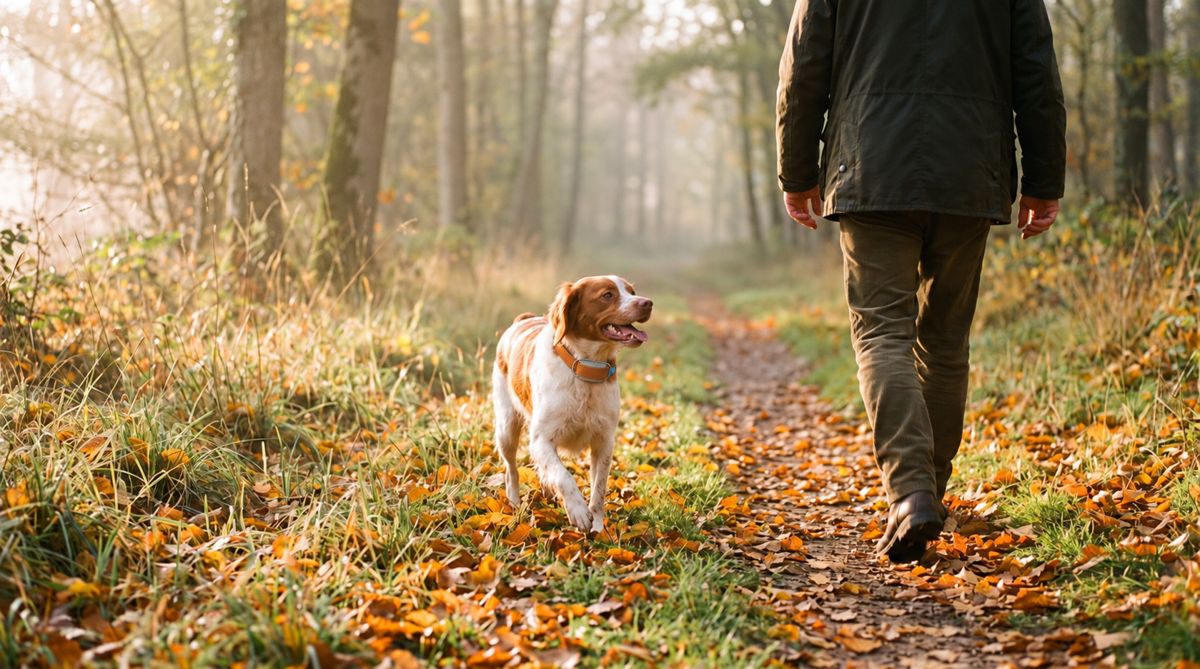
Dogs most at risk are the ones that spend time in tall grass and woods:
- hunting dogs and sporting dogs;
- dogs that hike, camp or swim in creeks and lakes;
- dogs living in rural areas or near wooded backyards.
If your fall plans include long walks in the woods, ticks aren’t the only thing to watch out for. Keep the safety habits for walking your dog during hunting season in mind too: it’s often the same trails.
The main tick-borne diseases in dogs #
Each disease has its own tick, region and signs, but they share a lot: fever, lethargy and loss of appetite are common to most of them.
- Lyme disease (blacklegged tick): fever, lameness that shifts from one leg to another, swollen joints. CAPC’s forecast shows the risk spreading through Ohio, Kentucky, West Virginia, Tennessee, North Carolina, Indiana, Illinois and Michigan, and west into the Northern Plains.
- Ehrlichiosis (lone star tick, brown dog tick): fever, lethargy, weight loss, sometimes nosebleeds or bruising. High risk in the Southeast and Southwest, with spread into the Upper Midwest and New England.
- Anaplasmosis (blacklegged and western blacklegged ticks): fever, joint pain, lethargy, often in the same regions as Lyme.
- Babesiosis (brown dog tick, meadow tick in Europe): a parasite that destroys red blood cells, covered in detail below.
A dog can carry more than one of these infections at the same time, which is one reason veterinarians recommend routine testing in high-risk areas.
What is babesiosis in dogs? #
Babesiosis is caused by a microscopic parasite, Babesia, that lives inside red blood cells and destroys them, leading to anemia. According to CAPC’s babesiosis guidelines, several species affect dogs in the United States:
- Babesia vogeli, spread mainly by the brown dog tick;
- Babesia gibsoni, usually more severe, seen more often in pit bull–type dogs because it also spreads through bite wounds;
- Babesia conradae, reported in California.
Babesiosis can also be passed through blood transfusions, which is why blood donor dogs are screened. Unlike Lyme disease, there is no vaccine against babesiosis in North America.
In Europe, the main species is Babesia canis, carried by the meadow tick. European veterinary parasitologists report in the ESCCAP guidelines on vector-borne diseases that its range has expanded across central Europe up to the Baltic region.
The UK is not spared either: in Harlow, Essex, researchers documented locally acquired Babesia canis cases in dogs that had never left the country, and 14 of the 17 meadow ticks collected at one site carried the parasite.
How does a tick transmit babesiosis? #
Transmission is not instant. ESCCAP notes that ticks generally need to feed for 24 to 48 hours before Babesia can pass into the dog’s blood.
That gives you a real window: a tick found and removed on the evening of the walk is far less likely to have transmitted anything. Check your dog after every outing, paying close attention to the head, ears, neck, armpits, groin and between the toes.
For Babesia canis, signs usually appear one to three weeks after the bite. By then, the tick has long fallen off, which is why many owners don’t make the connection.
Signs of babesiosis and other tick-borne illness #
The most common sign is a fever with sudden lethargy. Watch for:
- a dog that is listless and doesn’t want to play or go out;
- loss of appetite, sometimes vomiting;
- pale or yellowish gums and inner eyelids;
- dark, brown or red-tinged urine;
- faster breathing or shortness of breath with exercise.
Dark urine is a strong hint of red blood cell destruction, but it doesn’t always appear. A dog with a fever that stops eating after time in tick country needs to be seen even if the urine looks normal. To tell an emergency apart from a minor issue, keep a list of the symptoms every dog owner should know handy.
When should you call your veterinarian? #
If a dog that may have been exposed to ticks has a fever, stops eating or seems unusually tired, call your veterinarian the same day. Don’t wait for dark urine or lameness.
Your vet will usually run blood tests: a blood smear can show Babesia inside red blood cells, and in-clinic tests can screen for Lyme, Ehrlichia and Anaplasma at the same time. Treatment depends on the disease and may include antiparasitic drugs or antibiotics, plus supportive care such as fluids or, in severe cases, a blood transfusion.
Never give your dog human pain or fever medication. Some are toxic to dogs, and they can hide how the illness is progressing.
Prevention: the habits that make a difference #
CAPC recommends consistent, year-round use of products that repel or kill ticks before they can transmit disease. In practice:
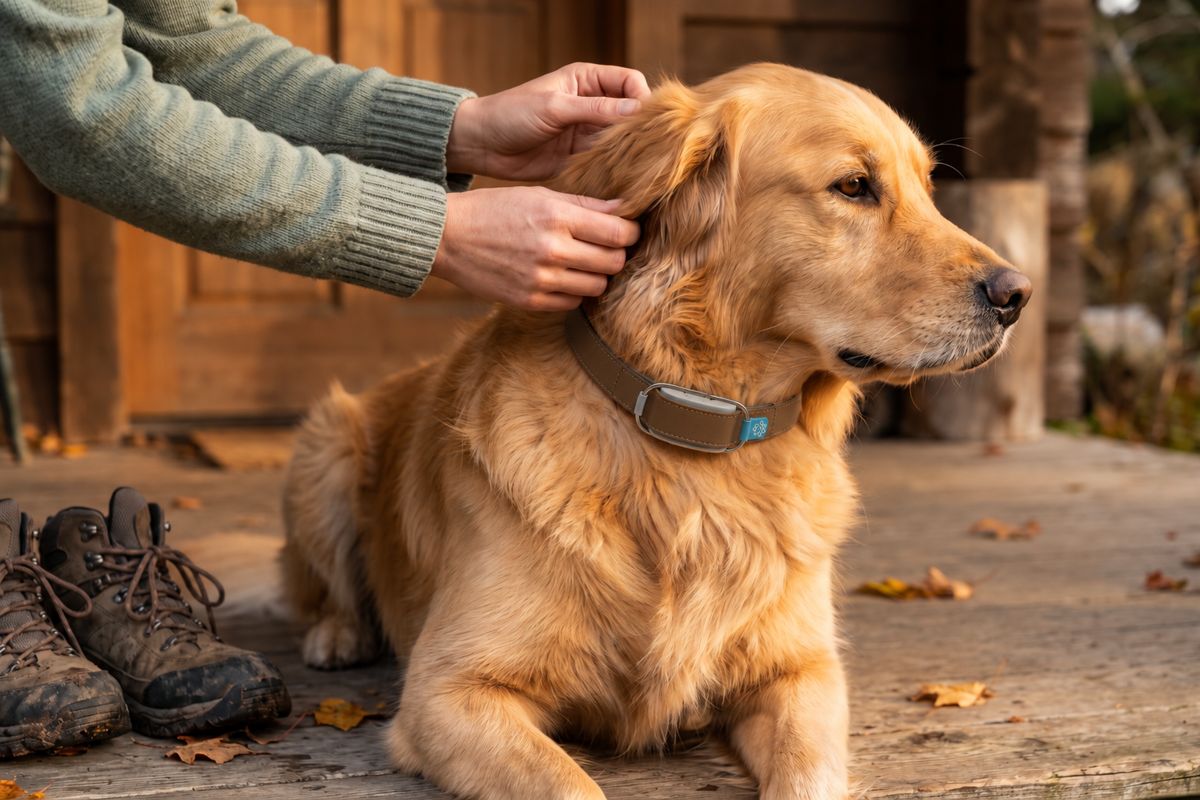
- a tick preventive (collar, topical or chewable) chosen with your veterinarian and given on schedule, with no gaps in winter;
- a full tick check after every walk, hike or day in the yard, especially in fall and winter;
- prompt removal with fine-tipped tweezers or a tick tool, pulling straight out without crushing the tick;
- a tidy yard: mowed grass, cleared leaf litter and brush along the edges;
- annual tick-borne disease screening if you live in or travel to high-risk areas.
For a step-by-step reminder, follow these tips to remove a tick safely and protect your dog.
Is there a vaccine? #
In the US, there is a vaccine against Lyme disease, but none against babesiosis, ehrlichiosis or anaplasmosis. In some European countries, a vaccine against Babesia canis limits severe disease without preventing infection. In both cases, it complements tick control rather than replacing it. If you travel to Europe with your dog, ask your veterinarian about the local risk: Babesia canis and the meadow tick are common in parts of France, Germany and central Europe.
Noticing sooner that something is off #
The hard part with tick-borne diseases is that early signs are subtle. A dog that’s a little less active and sleeps a bit more can go unnoticed for a day or two, especially on busy weekdays or when shorter fall days already mean shorter walks.
That’s exactly why an everyday health tracker helps you spot a change in routine. Worn all day, the Invoxia Biotracker records your dog’s activity, sleep, and resting heart rate and respiratory rate. An unusual drop in activity or faster breathing at rest are changes worth mentioning to your veterinarian, especially after time in tick country.
The Biotracker doesn’t detect babesiosis or any other disease, and it doesn’t diagnose anything. What it gives you is a clear picture of what’s normal for your dog, so you can call your vet sooner and describe what you’ve noticed with real numbers. With GPS and up to 15 days of battery life, it also keeps you company on long hikes. To build a routine, see how to keep an eye on your dog’s health every day.
💡 Good to know
From the app, you can invite your veterinarian to follow your dog's data with Biotrack. If your dog runs a fever or seems off, your vet can look back at the previous days of activity and rest before the appointment.
FAQ — tick-borne diseases in dogs #
Can I catch babesiosis or Lyme disease from my dog? #
Not directly. These diseases are spread by ticks, not by contact with an infected dog. But a dog can bring ticks into the house, so checking your dog also protects your family.
Is canine babesiosis contagious between dogs? #
Not through everyday contact. Babesia gibsoni, however, can spread through bite wounds during fights, and any Babesia species can be passed through a blood transfusion.
How long after a tick bite do symptoms appear? #
It depends on the disease. For Babesia canis, signs usually appear one to three weeks after the bite. Lyme disease can take weeks to months, and many infected dogs never show signs.
Can a dog recover from babesiosis? #
Yes, most dogs recover when they are treated quickly. The outlook depends on how early treatment starts and on any complications. Left untreated, the disease can be fatal.
Can a dog get babesiosis more than once? #
Yes. Recovering from babesiosis doesn’t give lasting protection, and some dogs remain carriers. Keep your dog on tick prevention after treatment.
In summary #
Ticks stay active in the fall and can pass babesiosis, Lyme disease, ehrlichiosis and anaplasmosis to dogs. Fever, lethargy, loss of appetite and sometimes dark urine are the signs to watch for in the days and weeks after time outdoors. Year-round tick prevention, a tick check after every walk and quick removal are your best protection. When in doubt, call your veterinarian the same day: the sooner these diseases are treated, the better dogs recover.