






Connected device
Definition
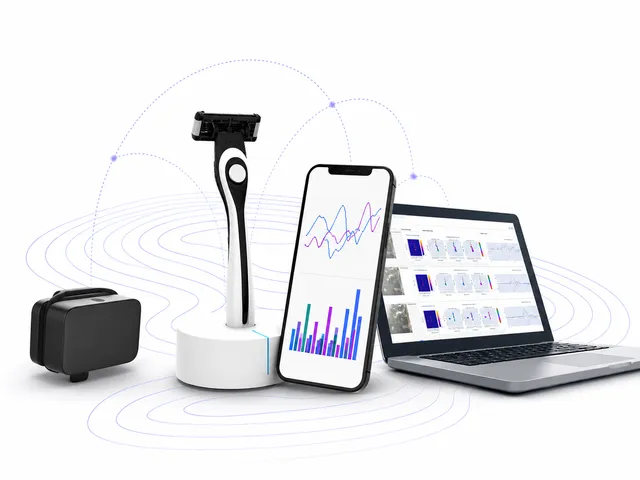
A connected device refers to any electronic device that can communicate with other devices or systems via the internet or local networks. These devices are equipped with sensors, software, and connectivity capabilities, allowing them to send and receive data. The rise of the Internet of Things (IoT) has exponentially increased the number and variety of connected devices in homes, businesses, and industries, facilitating smarter environments and improved user experiences.
Applications in GPS Tracking and IoT
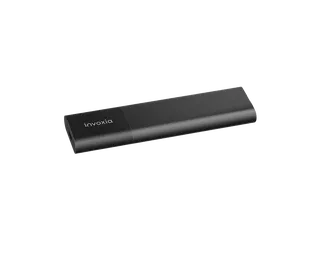
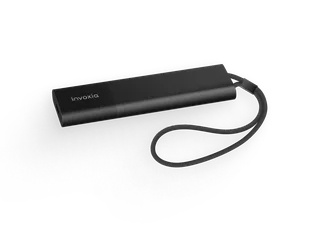
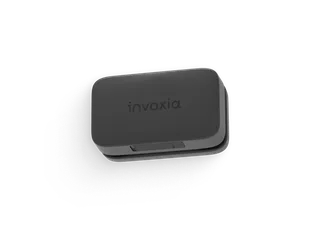
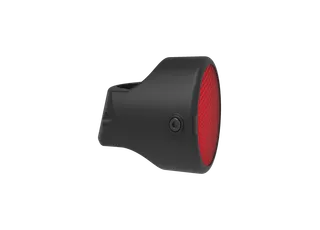
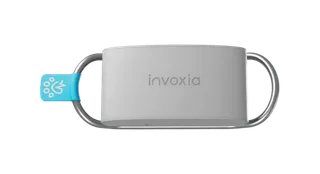
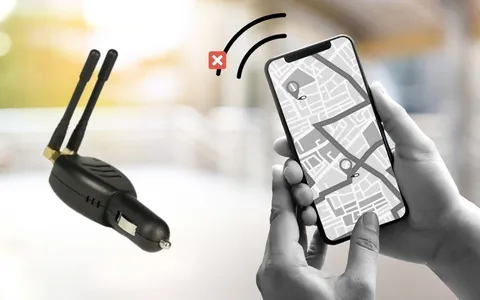
Connected devices play a crucial role in GPS tracking, as they enable real-time location monitoring and data sharing. For instance, GPS trackers for vehicles, pets, or personal belongings can alert users about their whereabouts and movement patterns. In the context of pet health monitoring, connected devices can track vital signs and daily activities, providing valuable insights into a pet's well-being. These applications enhance safety, enable better decision-making, and help users maintain accountability and awareness.
Examples in Everyday Life
Connected devices are ubiquitous in modern living. Common examples include smart home devices such as thermostats, security cameras, and lights, which can be controlled via smartphones or voice commands. In the realm of pet health, dedicated tracking collars can assess a pet’s location, activity levels, and health metrics, ensuring owners stay informed and proactive about their animal’s health. Moreover, connected devices often integrate with apps, providing users with seamless access to data and control features, making daily routines more efficient.
The Future of Connected Devices
As technology continues to advance, the future of connected devices looks promising. Enhanced connectivity options such as 5G and emerging AI capabilities will lead to more sophisticated applications, particularly in GPS tracking and health monitoring. The increasing adoption of connected devices is set to improve not only personal safety and convenience but also contribute to larger ecosystems that support smart city initiatives and health-conscious living.