




Connected devices
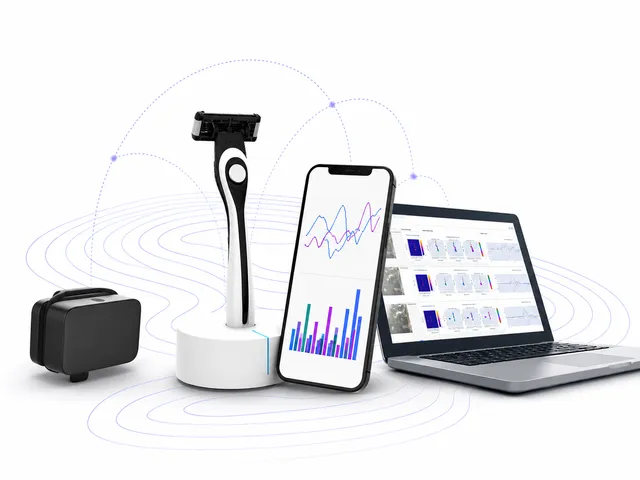
Connected devices are electronic gadgets that are capable of connecting and communicating with each other over the internet or through a local network. This interconnectivity allows these devices to share data, work collaboratively, and provide enhanced functionality in various applications, ranging from smart homes to healthcare.
Types of Connected Devices
Connected devices encompass a wide array of technologies. Common types include:
- Smartphones and Tablets: These are personal devices that often serve as hubs for managing other connected gadgets.
- IoT Devices: Internet of Things (IoT) devices specifically refer to devices that utilize embedded sensors, software, and other technologies to connect to the internet and collect and exchange data. Examples include smart home appliances, wearables, and health monitors.
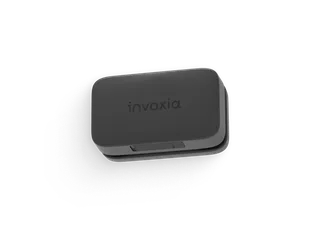
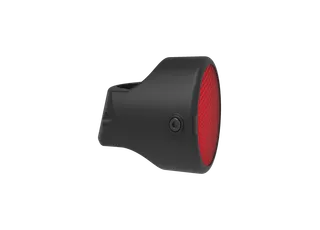
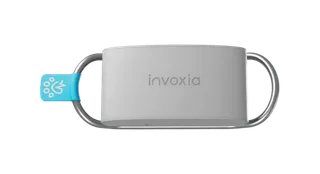
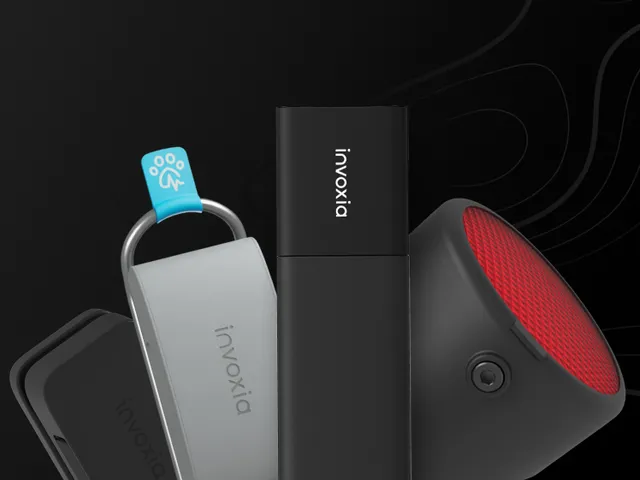
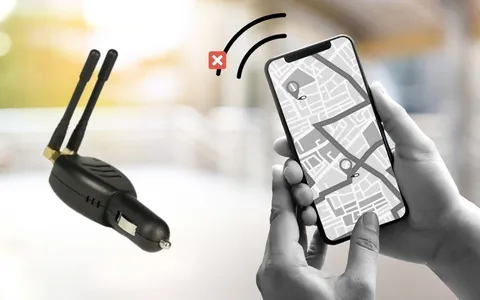
- GPS Trackers: Devices designed to locate and monitor the position of objects or living beings, such as vehicles or pets, in real-time. They collect location data and transmit it to users through applications or online platforms.
Benefits of Connected Devices
Connected devices offer several advantages across various domains:
Improved Monitoring and Tracking
In the context of GPS tracking and pet monitoring, connected devices allow pet owners to keep an eye on their furry friends in real-time. GPS-enabled collars can provide precise location data, helping owners locate lost pets quickly. This real-time tracking can alleviate stress and anxiety for both pets and their owners.
Automation and Convenience
IoT-enabled devices in smart homes can automate tasks, enhance energy efficiency, and improve security. For example, smart thermostats can learn user preferences and adjust temperatures automatically, while smart locks can grant access to visitors remotely. This interconnected ecosystem creates a seamless living experience, increasing convenience and comfort.
Data Collection and Insights
Connected devices enable the collection of valuable data. Wearable health monitors track users' activity, heart rate, and sleep patterns, providing insights into overall wellbeing. Similarly, pet health monitors can track dietary habits and exercise, helping owners make informed decisions about their pets' health. Leveraging activity tracking features, these devices can enhance users' understanding of their health metrics and assist in better lifestyle choices.
In conclusion, connected devices are transforming the way we live and interact with our environment, offering enhanced monitoring, automation, and insights that improve our daily lives and the wellbeing of our pets. With advancements in technologies such as low-power wide area networks (LPWAN), the capabilities of these devices will continue to expand, making them even more integral to the Internet of Things.