




Fleet tracking
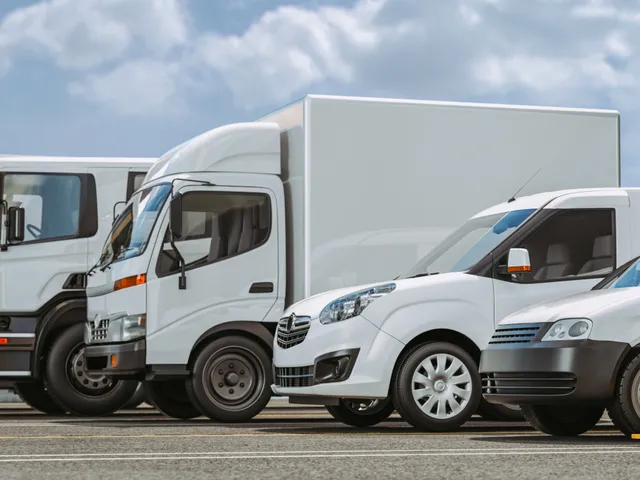
Fleet tracking refers to the process of monitoring and managing a group of vehicles in real-time using GPS tracking systems and IoT (Internet of Things) technologies. This innovative approach allows businesses to optimize their operations, enhance efficiency, and ensure the safety of their assets.
Overview of Fleet Tracking
Fleet tracking systems leverage GPS technology to provide accurate location data and movement patterns of vehicles. This capability enables fleet managers to monitor vehicle locations live, analyze routes, and make data-driven decisions. Companies across various industries, including logistics, delivery services, and transportation, use fleet tracking to improve operational efficiency, reduce costs, and enhance customer service.
Key Features
- Real-Time Monitoring: Fleet tracking systems provide live updates on vehicle locations, allowing managers to respond swiftly to unexpected changes, such as traffic delays or vehicle breakdowns.
- Route Optimization: By analyzing historical data and current traffic conditions, fleet tracking solutions can recommend the most efficient routes for drivers. This not only saves time but also reduces fuel consumption.
- Maintenance Alerts: Many fleet tracking systems include features for monitoring vehicle health and diagnostics. This proactive approach helps in scheduling maintenance and can prevent costly breakdowns or repairs.
Benefits of Fleet Tracking
The advantages of implementing a fleet tracking system are numerous and impactful.
Increased Productivity
With real-time data, companies can optimize their delivery schedules and improve response times to customer inquiries. This increased productivity contributes significantly to customer satisfaction and long-term loyalty.
Enhanced Safety
Fleet tracking enhances safety by enabling fleet managers to monitor driver behavior, such as speeding or harsh braking. These insights can help in implementing targeted training programs to reduce accidents and improve overall safety standards.
Cost Savings
By minimizing fuel consumption through route optimization and reducing unnecessary vehicle idling, businesses can achieve significant savings in operational costs. Additionally, tracking systems can help mitigate theft of vehicles or cargo through anti-theft-gps-tracking, protecting valuable assets.
In summary, fleet tracking is an essential tool for modern businesses aiming to streamline their operations, promote safety, and maximize their return on investment in transportation and logistics through effective asset-tracking.