



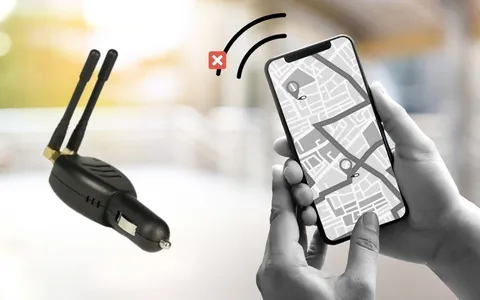


Geolocation
Definition
Geolocation refers to the identification of the real-world geographic location of an object, such as a device or a person. This technology utilizes a combination of satellite, cellular, and Wi-Fi signals to accurately determine and provide location coordinates. Geolocation is fundamental in various fields, including GPS tracking systems, Internet of Things (IoT) devices, and pet health monitors.
How Geolocation Works
Geolocation typically starts with the use of Global Positioning System (GPS) technology. GPS devices receive signals from satellites orbiting the Earth, which allows them to calculate their exact geographical position based on the time it takes for these signals to arrive. Other methods, such as mobile triangulation and Wi-Fi positioning, can be employed to enhance accuracy or provide location data in areas where GPS signals may be weaker, such as indoors or in urban environments with tall buildings.
Applications in GPS Tracking
In GPS tracking, geolocation is crucial for real-time monitoring of assets, vehicles, or individuals. For instance, a GPS tracker attached to a car can provide live location updates, helping users optimize routes and ensure asset safety. Similarly, in logistics and fleet management, geolocation aids businesses in tracking shipments and improving operational efficiency.
Role in IoT Devices and Pet Monitors
Geolocation is a key function in IoT devices, enabling smart home systems to adjust settings based on the user's location or enhance personal safety features. In pet health monitors, geolocation allows pet owners to track their pets' movements, ensuring their safety and well-being. By receiving alerts when a pet strays beyond a designated area, owners can respond quickly to potential risks.
Conclusion
Overall, geolocation is a powerful tool that leverages technology to provide accurate location information across various applications. As GPS tracking, IoT devices, and pet monitoring systems continue to evolve, geolocation remains a vital component for enhancing security, efficiency, and convenience in our daily lives.