




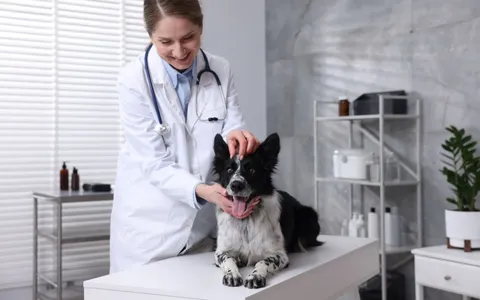

Mitral valve disease in dogs:act before the symptoms
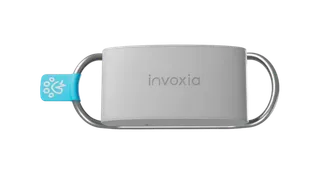
Myxomatous mitral valve degeneration (MMVD) is the most common heart disease in dogs, and it progresses in silence. The Invoxia Biotracker clips onto your dog's collar and continuously tracks resting heart rate and breathing, to catch drifts before the first visible signs.
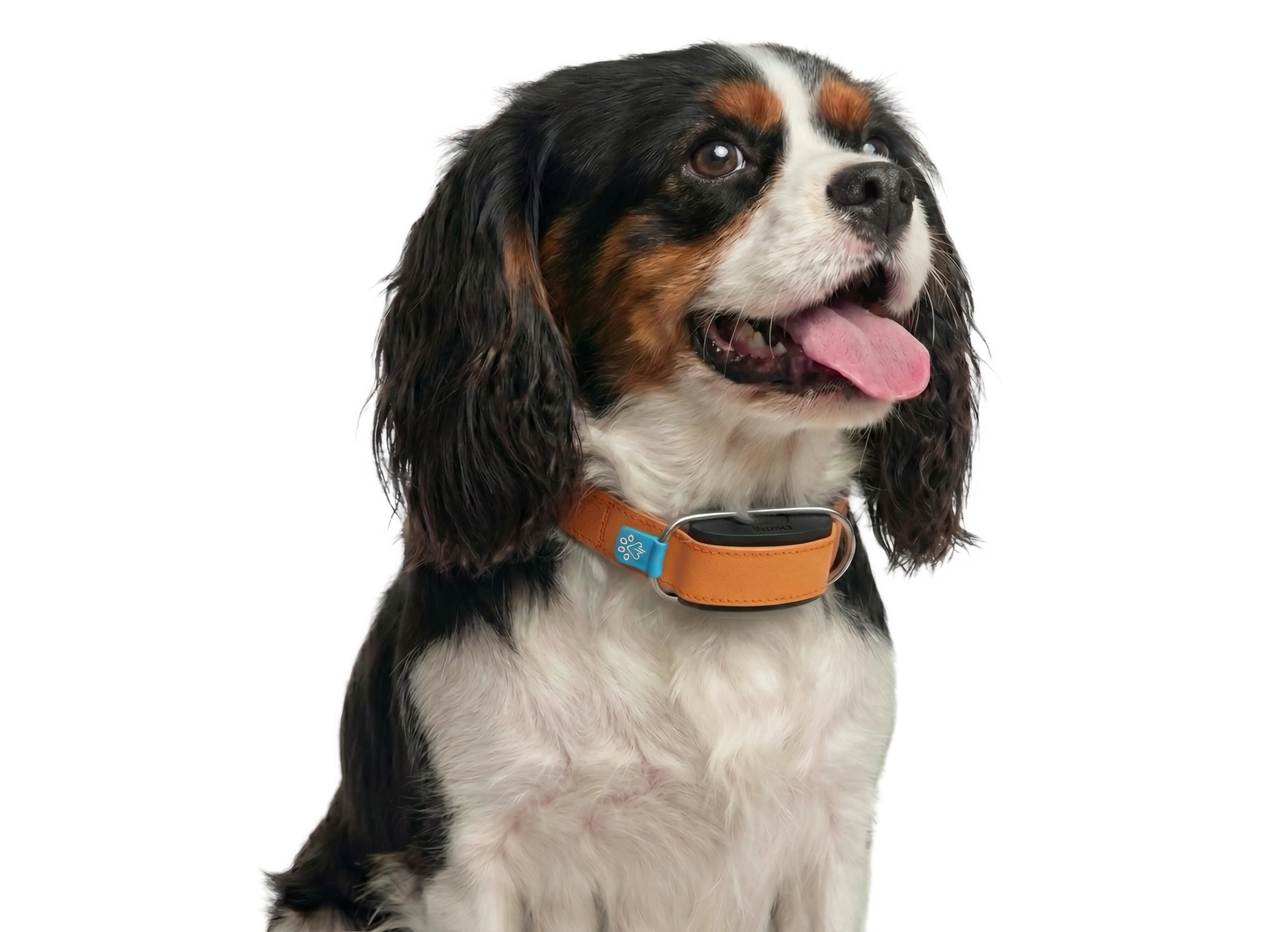




Biotracker:every heartbeat matters
Biotracker continuously monitors your dog's cardiac health: it tracks respiratory rate, spots irregular rhythms and alerts you to changes worth raising with your vet. Peace of mind, clipped to their collar.
Alerts and the daily report are included in the Plus and Max GPS plans.
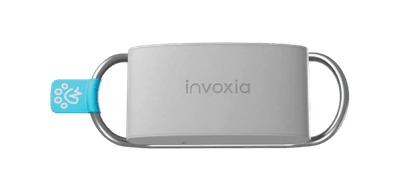
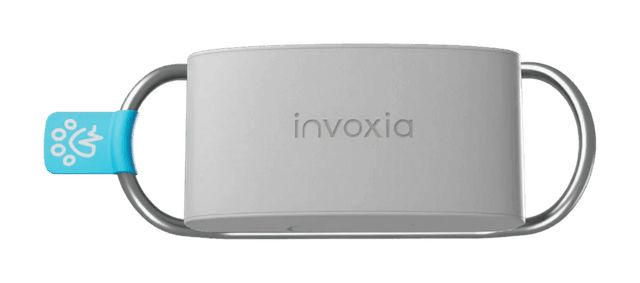
Biotracker
Everyday heart health monitoring
- Resting heart and respiratory rates
- Atrial fibrillation (AFib) risk detection
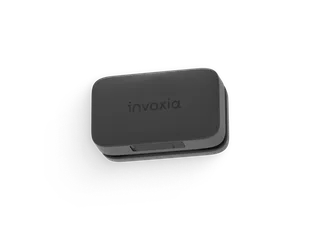
- 37 g, clips onto any collar
- A report to share with your vet
From
Discover Biotracker
What everyday monitoringcan help you spot
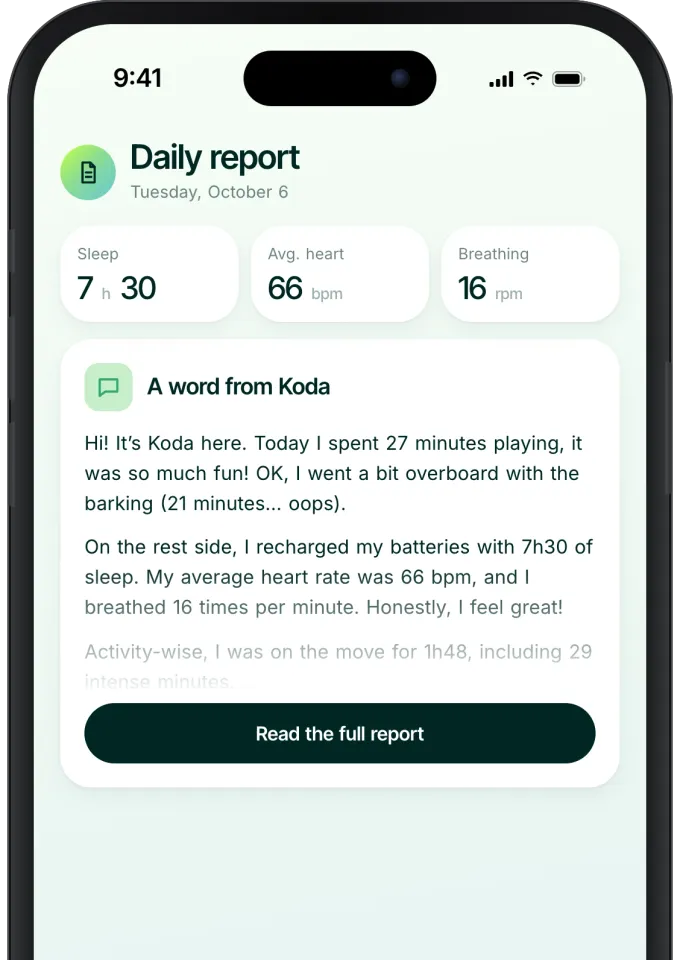
Manual monitoring misses subtle early changes. Biotracker documents the months between two appointments. The daily report is included in the Plus and Max GPS plans.
 Resting respiratory rate
The measurement the ACVIM recommends tracking every day in a dog with mitral valve disease, recorded automatically during sleep.
 Heart rhythm
Our data shows that heart rhythm patterns can change weeks or even months before respiratory signs. Biotracker also estimates the risk of atrial fibrillation (AFib).
 Sleep and activity
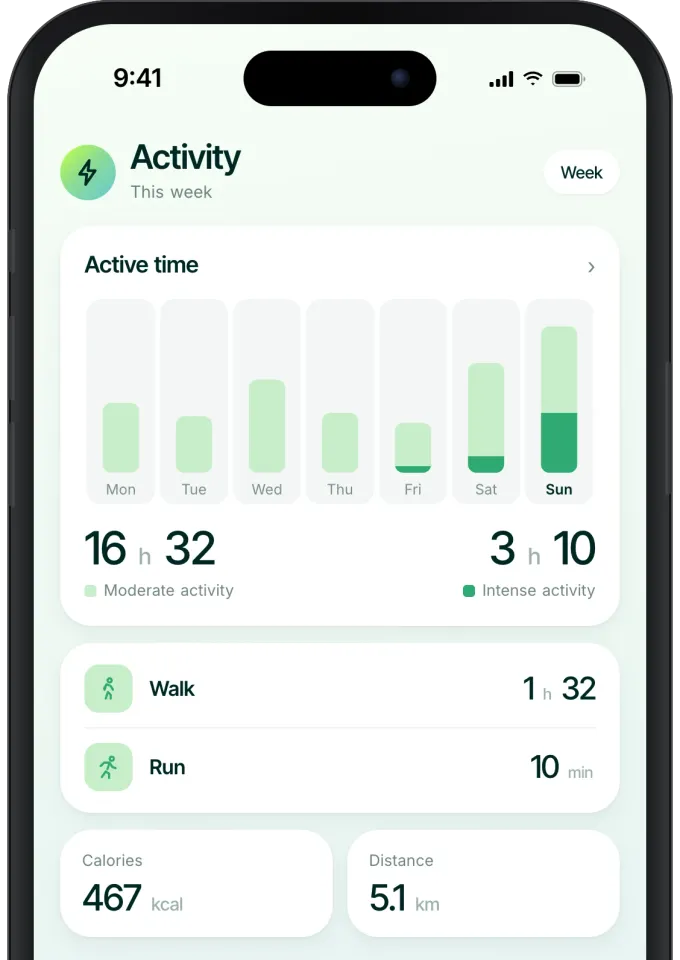
Shorter walks or more restless sleep show up on the curve before they turn into visible tiredness.
 Veterinary report
If your clinic uses Biotrack, it can view curves and trends remotely. If not, download a full PDF report before the visit.
From measurementto the vet appointment
Biotracker does not diagnose anything. It documents what happens between two appointments and flags anything that departs from your dog's usual patterns.
Measure at rest
Up to 30 measurements a day during natural rest periods. You can also take a one-minute instant measurement when your dog is lying calmly beside you.
Build a personal baseline
Measurements add up and map out reference values specific to your dog, not to its breed.
Flag a deviation
A notification and an email as soon as a trend moves away from that baseline for a sustained period. Alerts are included in the Plus and Max GPS plans.
Share with your vet
Through the Biotrack platform, which gives access to all health and activity data, or with a PDF downloaded from the app.
Follow the treatment
Once treatment has started, the curves help your vet or cardiologist follow your dog's response and adjust doses.
The signsthat call for a vet visit
The first sign is often heard before it is seen: a heart murmur picked up by the vet during a routine check-up. By the time symptoms appear (coughing, tiredness, difficulty breathing), the disease has often already reached an advanced stage.
It is an emergency if your dog struggles to breathe at rest, breathes with an open mouth for no reason, has bluish gums or tongue, or collapses. Go to a vet or an emergency veterinary clinic straight away.

Breathing · Faster at rest than usual
Seen during sleep, over several days, with no heat, exercise or stress involved. It is often the first sign of developing pulmonary oedema.

Cough and tiredness · A dog that slows down
A cough that sets in, especially at night or on waking, shorter walks, a dog that takes longer to recover or sleeps badly.

Emergency · Collapse or fainting
Loss of balance, a brief loss of consciousness or a belly that "works" with every breath call for a vet visit without delay.
Understandingmitral valve disease
The mitral valve separates the left atrium from the left ventricle. With the disease, its leaflets thicken, stop closing properly and let blood flow backwards: the heart has to work harder, often for years before the slightest sign.

A leaking valve
The backflow of blood with every beat produces the murmur heard through the stethoscope. The diagnosis and stage are confirmed by echocardiography, often alongside a chest X-ray.

An age-related disease, partly genetic
It mainly affects small dogs as they age. In the Cavalier King Charles, a strong hereditary component makes it appear much earlier.

From backflow to pulmonary oedema
The left side of the heart enlarges, pressure builds in the lungs and fluid can accumulate there: this is pulmonary oedema, the main complication of mitral valve disease.
The stages of the diseaseaccording to the ACVIM
The ACVIM consensus describes how the disease progresses through stages. Most of the time is spent in stage B, when the dog looks perfectly healthy.
A · Dog at risk
A predisposed breed, such as the Cavalier King Charles, with no murmur or detectable abnormality. A yearly check-up is advised.
B1 · Murmur without enlargement
The valve leaks, but the heart is not or only slightly enlarged. No treatment: regular check-ups are enough.
B2 · Murmur with enlargement
The heart has enlarged, still without symptoms. This is the stage at which your vet may suggest preventive treatment.
C · Heart failure
Signs of heart failure have appeared, such as pulmonary oedema. Treatment becomes daily and lifelong.
D · Refractory stage
Heart failure no longer responds to standard treatment. Care is handed over to the cardiologist.
The EPIC study showed that treating mitral valve disease at stage B2, before symptoms appear, delays heart failure by about 15 months. Early detection therefore has a direct therapeutic consequence, decided by your vet.
Breathing during sleep:the marker to watch
The ACVIM (American College of Veterinary Internal Medicine) guidelines recommend daily monitoring of the resting respiratory rate to detect congestive heart failure before visible symptoms appear. An increase beyond 25 to 35 breaths per minute can signal impending pulmonary oedema.
| Situation studied | Respiratory rate |
|---|---|
| Mitral valve disease without symptoms, during sleep | Usually under 25/min, rarely above 30/min |
| Unstabilised heart failure | Most dogs exceed 40/min |
| Stabilised heart failure, during sleep | Median of 20/min; a target under 30/min is considered reasonable |
These values are not diagnostic thresholds: your vet will tell you when to call. To count by hand, watch one minute of deep sleep, in a calm, cool place; one breath is one inhalation plus one exhalation. Biotracker measures continuously, so the drift shows up on the curve without anyone having to count breaths at night.
Sources: VetCompass, Royal Veterinary College; The Veterinary Journal; ACVIM consensus, 2019.
Before and after the diagnosis
Before: spot what changes
Your dog belongs to a predisposed breed, or a murmur has just been found, and they are doing well. Monitoring establishes their normal values while they are in good shape.
- A baseline respiratory rate, measured during sleep
- An objective reason to bring forward an ultrasound check-up
After: follow the progression
Treatment is in place. Appointments are spaced out, the disease is not: monitoring documents the months in between and gives your vet a real basis for adjustments.
- A continuous history rather than one-off readings
- A report to send before each check-up
To learn more: pulmonary oedema, dilated cardiomyopathy or arrhythmias in dogs.
The breedsmost at risk
1 in 10 dogs develops heart disease. In Cavalier King Charles Spaniels, it is 1 in 2 by age 5. Mitral valve disease mainly affects dogs under 20 kg and becomes very common with age: according to the ACVIM, up to 85% of small dogs have a valve lesion by the age of 13. Cardiologists recommend yearly screening for the Cavalier, the Dachshund and toy and miniature Poodles.

The best-known case: the disease appears at a young age. Find out more about the Cavalier King Charles.
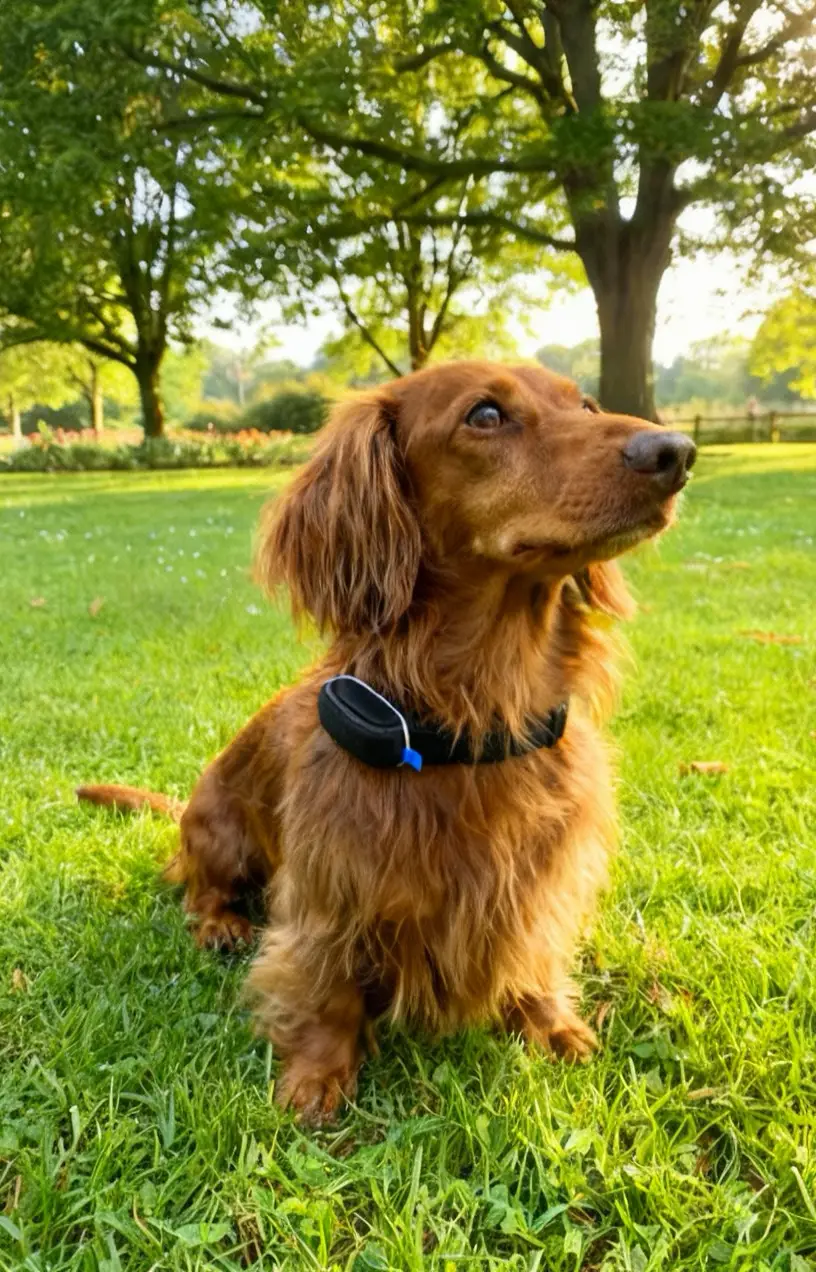
The Dachshund is one of the breeds for which yearly screening is recommended.
Yearly screening is recommended, especially as they approach their senior years.
These very small breeds are among the most exposed, as are the Pomeranian, the Shih Tzu and the Papillon.
Also affected, along with the Boston Terrier and the Whippet.
Any small dog entering its senior years deserves the same attention, whatever its breed.
Trustedby veterinarians
For your dog's health, don't settle for a gadget. Veterinarians trust Invoxia because it delivers clinical-grade accuracy and proven reliability. Biotracker meets two essential needs:
- Early detection of health issues such as arrhythmias or abnormal breathing, before they escalate into emergencies.
- Treatment monitoring, with clear trends that help adjust medications and protocols over time.
With 99.6% accuracy on heart rate, 98.6% on respiration and 92% sensitivity in detecting AFib, it brings the same precision vets use in their clinics right into your home (validation study).
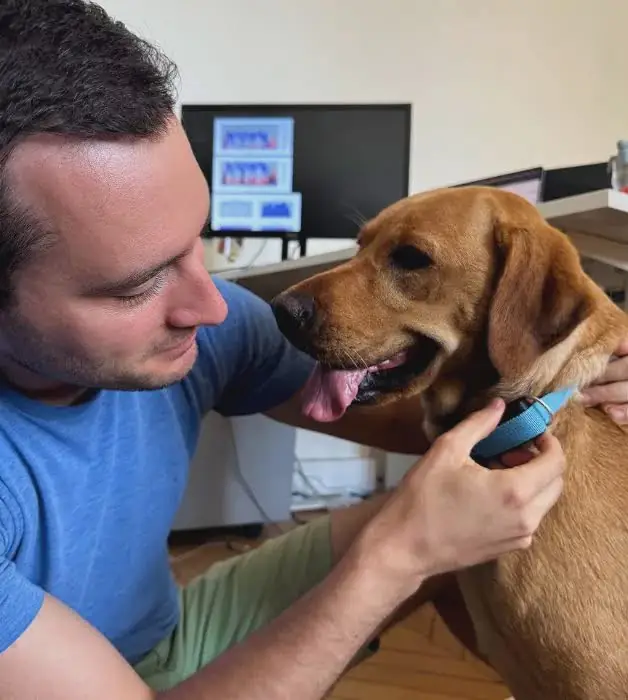
Monitor your cardiac patients remotely
Biotrack is Invoxia's professional platform. It brings together data from the equipped dogs among your patients and lets you follow those you consider at risk between two appointments.
HeartPrint™ technology:seeing every beat
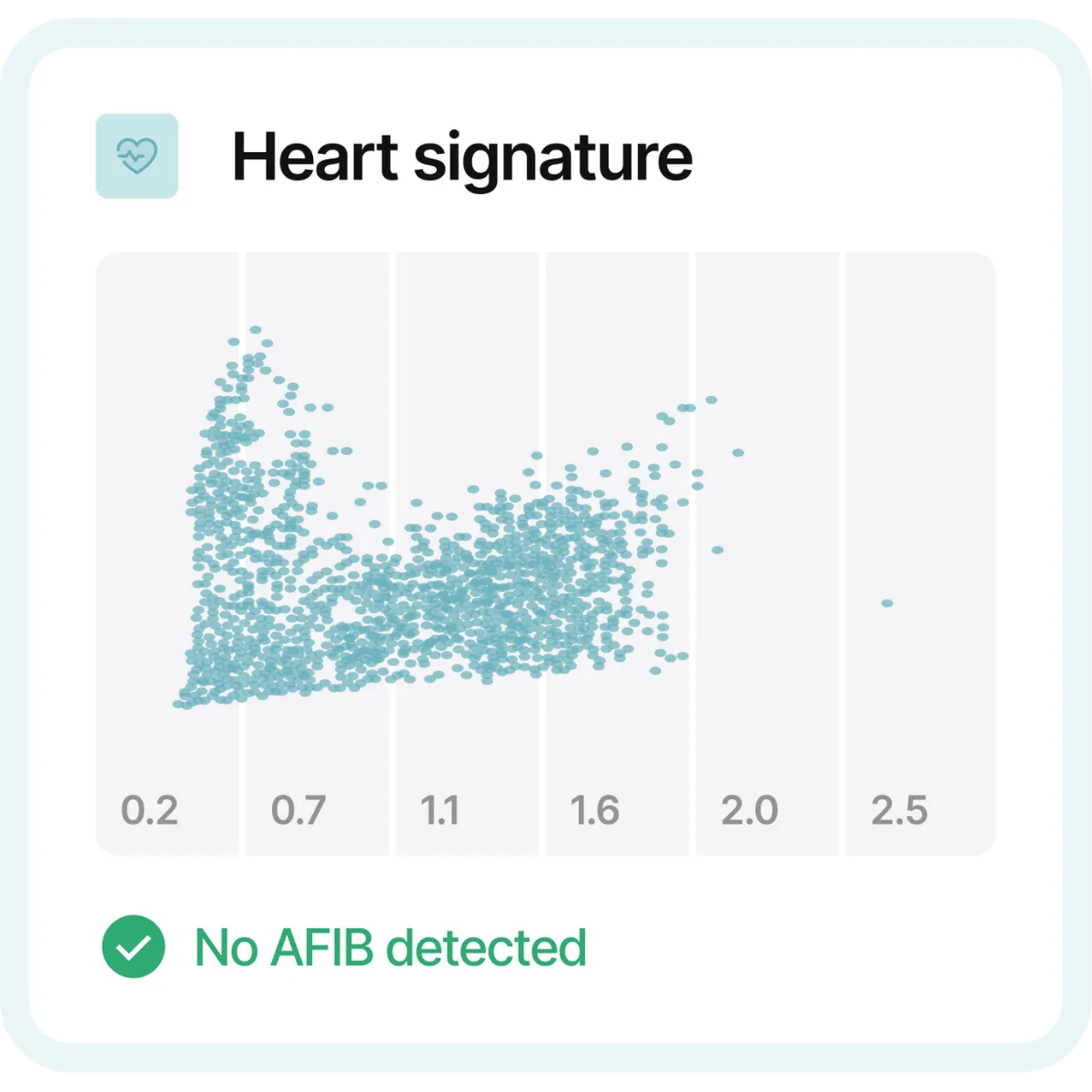
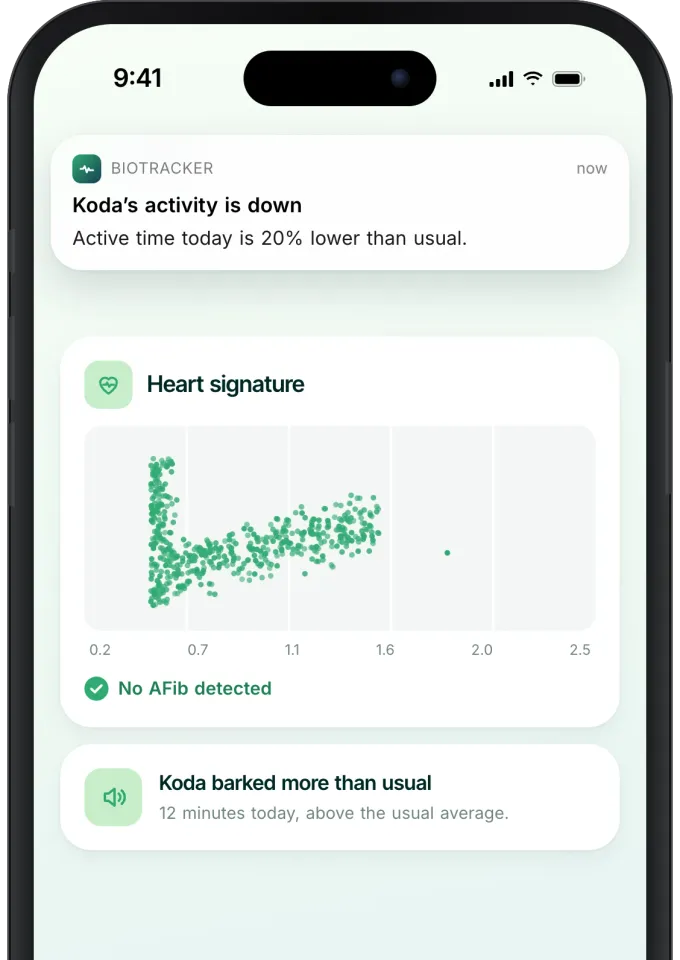
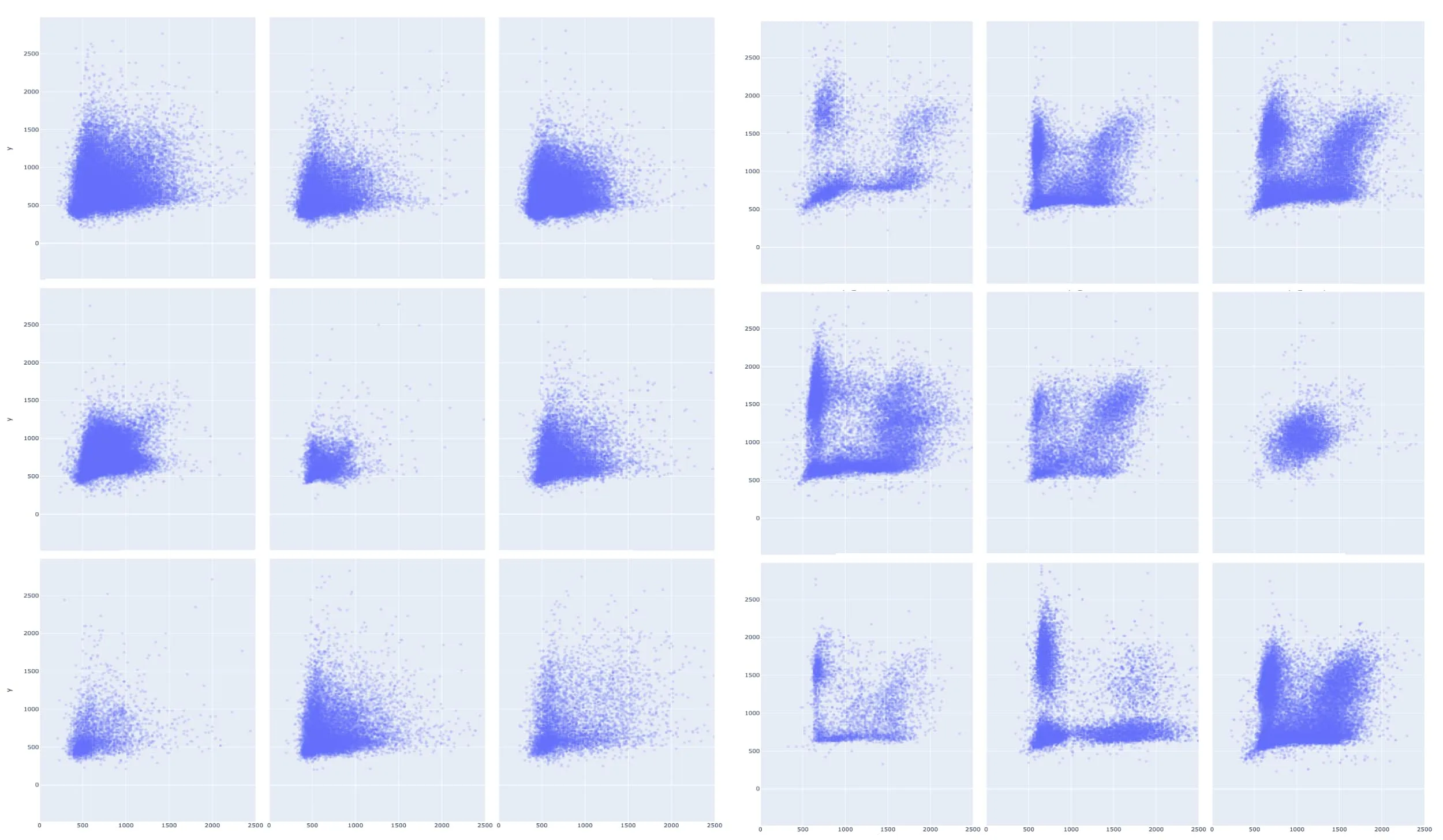
At the core of Biotracker lies HeartPrint™, a technology inspired by research from The Next Heartbeat. Rather than an average heart rate, HeartPrint™ isolates each individual cardiac contraction during rest and projects it into a Poincaré (or Lorenz) plot, a visual fingerprint of your dog's heart rhythm over hours or days.
Every dot represents one beat. This 2D signature helps cardiologists identify patterns such as sinus arrhythmia or extrasystoles, often difficult to spot in raw time-series data. Why does it matter in mitral valve disease? A severely enlarged left atrium makes rhythm disorders more likely: AFib alerts flag a risk to be confirmed by an ECG at the vet's.
Technology that watchesover their heart
Automatic health monitoring
Resting breathing and heart rate measurement, day and night.
Smart health alerts that notify you of the first respiratory or cardiac abnormalities.
World's first AFib detection for dogs, automatically catching dangerous arrhythmias.
Designed for real life
Ultra-lightweight (37 g), comfortable for even the smallest breeds, it clips onto any collar.
Set and forget: up to 15 days of battery life and a waterproof design.
Contactless measurement: no need to shave the coat or adjust the collar precisely, so your dog stays comfortable.
A testament to the powerof early detection
"My dog Oliver was my initial reason for purchasing the Invoxia Biotracker. Oliver had diabetes and a congenital heart defect (tricuspid valve dysplasia). As a result he was in congestive heart failure at a year old. However, with medication management and lifestyle consistency, Oliver lived to be 9 years old!!
Around 7 or 8 though he started getting sicker and showing some varieties of symptoms. While I had already been using continuous glucose monitors on him for years, I had not been able to reliably track his heart rates and respiratory rates. The Biotracker provided that metric for us and allowed me to monitor and adjust Oliver's heart medications in crucial ways.
I fundamentally believe the metrics gave us at least a year more of his life. Unfortunately he passed away in January this year from cancer, which is crazy because it ultimately wasn't his heart or his diabetes! I still use the tracker on my remaining senior dog Vincent but he's in near perfect health so it's fun to see what "normal dog" rates look like and track his optimal health metrics.
I love it and if (or when) I get another dog, regardless of age or health, I'm pretty sure I'll get another Invoxia Biotracker. Thank you!"
- Mrs. Johnson, Oliver's devoted parent

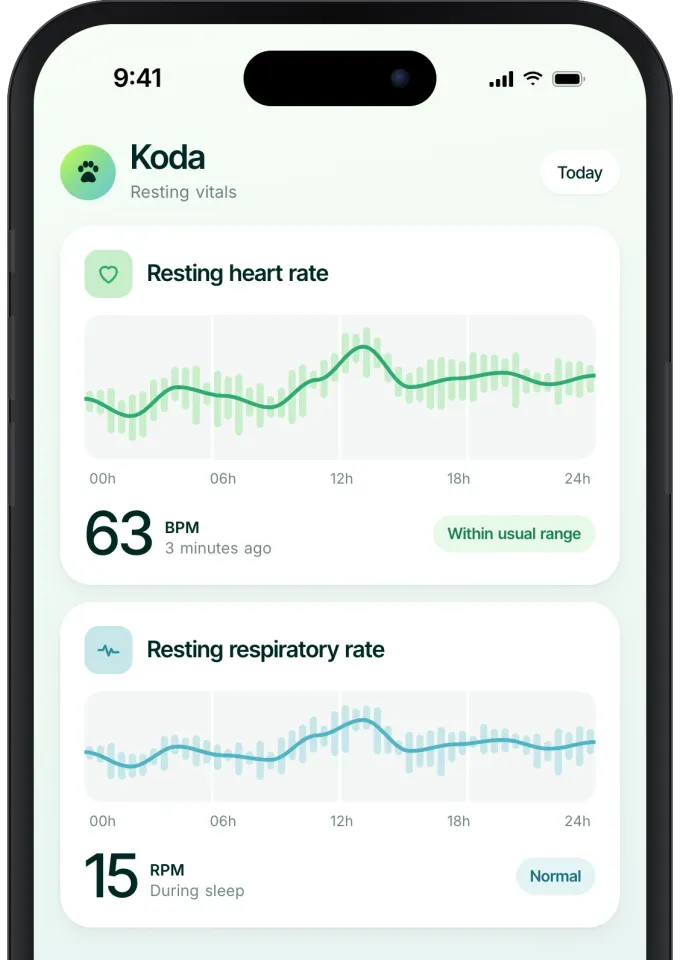
Stay connected to their heart,in a single app.
Track trends, receive alerts and share reports with your veterinary team, all from your phone. Alerts and the daily report are included in the Plus and Max GPS plans.


Our articles ondog heart health
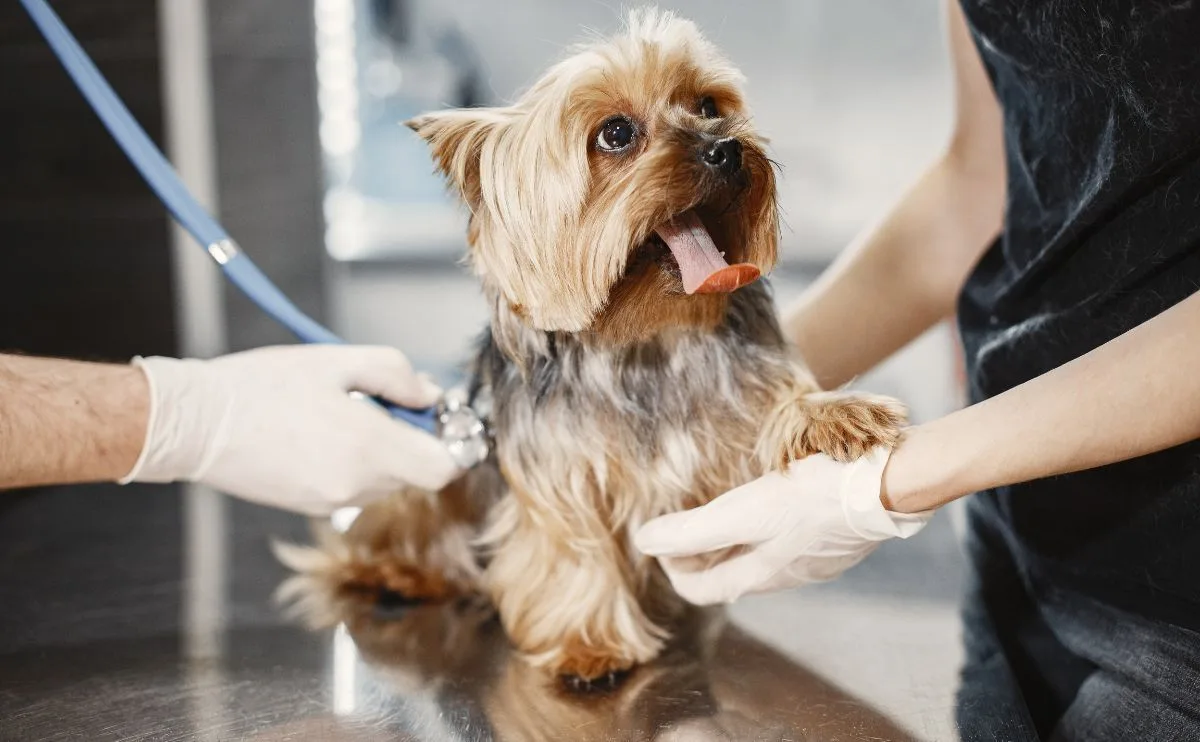
Mitral Valve Disease in Dogs: Everything You Need to Know About This Heart Disease

Mitral Valve Disease in Cavalier King Charles: Everything You Need to Know!
Minitailz Biotracker GPS Enhances Atrial Fibrillation Detection in Dogs: A Leap Forward for Canine Heart Health
Senior Cardiac Dog: How to Effectively Monitor Its Heart
FAQ: mitral valve disease in dogs
What owners of Cavaliers and other small breeds ask us before getting started.
Contact support
Myxomatous mitral valve disease is the most common heart condition in dogs: the valve thickens, stops closing properly and lets blood leak backwards, so the heart works harder for years before anything shows. 1 in 10 dogs develops heart disease, and in Cavalier King Charles Spaniels it is 1 in 2 by the age of 5.
Most often, there are no visible signs at first: it is the vet who hears a heart murmur. Then come faster breathing at rest, visible during sleep, a cough, especially at night, and tiring on exertion. Laboured breathing at rest, bluish gums or a collapse call for an emergency visit.
In a small adult dog, a murmur is very often the first sign of mitral valve disease. On its own, it does not say what stage the disease has reached: only an echocardiogram can show whether the heart is enlarged and whether treatment is useful. Ask your vet when to schedule this check-up.
Stage A: a dog at risk with no abnormality. Stage B1: a murmur without heart enlargement, no treatment. Stage B2: a murmur with enlargement, where preventive treatment may be offered. Stage C: established heart failure, for example pulmonary oedema. Stage D: heart failure that no longer responds to standard treatment.
Cavaliers are the best-known case, but the disease affects many small breeds: Dachshund, toy and miniature Poodle, Chihuahua, Maltese, Pomeranian, Yorkshire Terrier, Shih Tzu, Papillon, Miniature Schnauzer, Cocker Spaniel, Jack Russell Terrier, Boston Terrier and Whippet. Any small dog entering its senior years deserves the same attention.
The damaged valve cannot be repaired with medication, but the disease can be treated. At stage B2, preventive treatment delays heart failure by about 15 months according to the EPIC study. At stage C, treatment becomes daily and lifelong, and breathing rate monitoring helps your vet adjust it.
ACVIM guidelines recommend tracking the resting respiratory rate daily in dogs with heart disease: a rise beyond 25 to 35 breaths per minute can signal impending pulmonary oedema and warrants a prompt call to your vet. The Biotracker measures continuously, so that drift shows up on the curve without anyone counting breaths at night.
Resting heart rate and resting respiratory rate, measured automatically while your dog rests, day and night, plus sleep, activity and atrial fibrillation detection, a world first for dogs. Every measurement feeds a trend line specific to your dog, and you get a notification and an email as soon as a trend drifts (Plus and Max GPS plans). Reports export to PDF for your vet in one tap.
A sustained deviation from your dog's own trends, built from their own measurements, rather than a threshold shared by all dogs. Alerts are part of the Plus and Max GPS plans.
No. It is a monitoring device, not a diagnostic one: it tells you and your vet that something is changing, earlier and more reliably than manual counting. The diagnosis, the echocardiogram and the treatment stay with your veterinarian. The EPIC study showed that treating mitral valve disease before symptoms appear delays heart failure by about 15 months, and that window is exactly what early detection buys.
Yes. It weighs 37 g, clips onto any collar without tightening it and measures without contact, so there is no need to shave the coat or adjust the strap precisely. It is waterproof and runs up to 15 days between charges.
Peace of mindis just one click away
Give your dog continuous cardiac monitoring, and give yourself the certainty of acting at the right time. Alerts and the daily report are included in the Plus and Max GPS plans.
Biotracker is a monitoring device, not a diagnostic tool. It does not replace a clinical examination or an echocardiogram.