




Dilated cardiomyopathyin dogs
It is the most common heart disease in large-breed dogs. The heart enlarges and pumps less effectively, often for months before any symptoms appear.
This silent, or occult, phase is precisely when monitoring is most valuable. Here is what to understand and what you can observe from day to day.





Biotracker:daily health monitoring
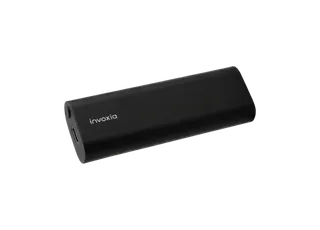
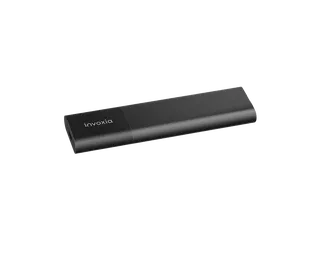
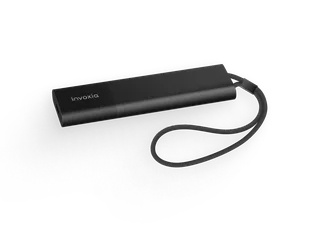
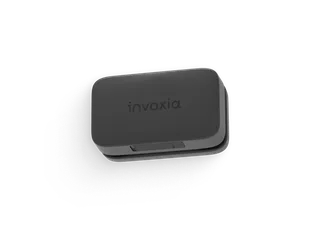
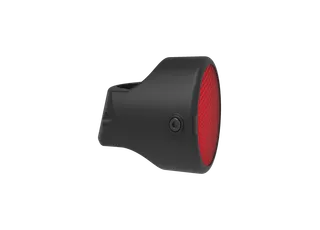
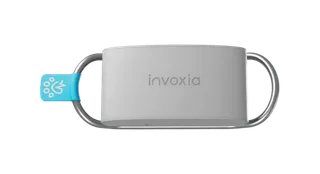
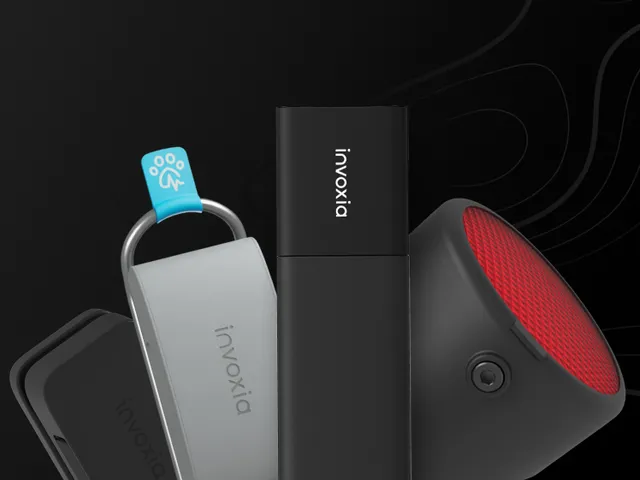
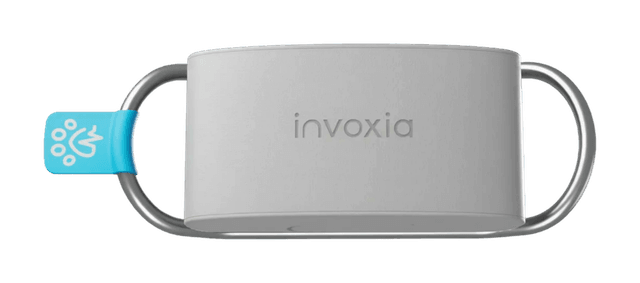
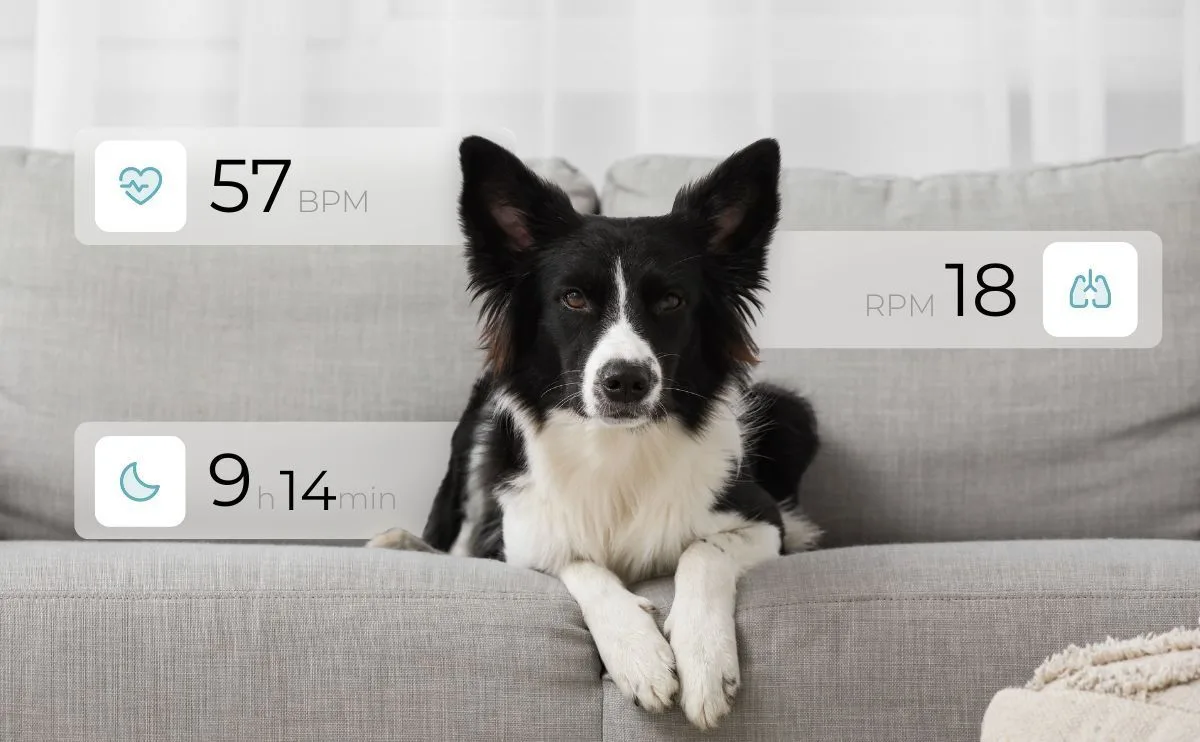
A connected collar device that continuously measures your dog's heart and respiratory rates, without skin contact or shaving, while they go about their normal life.
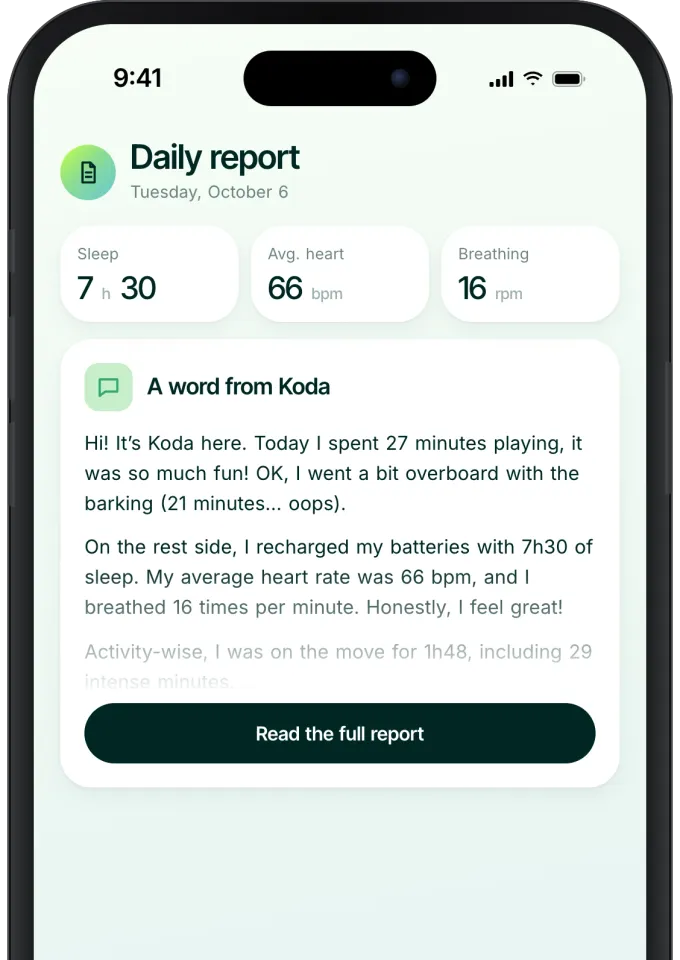
Alerts and the daily report are included in the Plus and Max GPS plans.
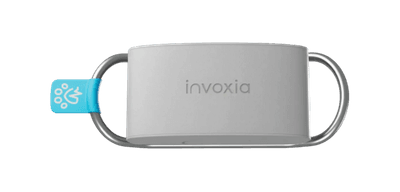
Biotracker
Everyday heart health monitoring
- Resting heart and respiratory rates
- Atrial fibrillation (AFib) risk detection
- Day-to-day trends, beyond a single reading
- A report to share with your vet
From
Discover
What everyday monitoringcan help you spot
Appointments can be months apart. Biotracker records what happens in between, so you do not have to rely on memory. The daily report is included in Plus and Max GPS plans.
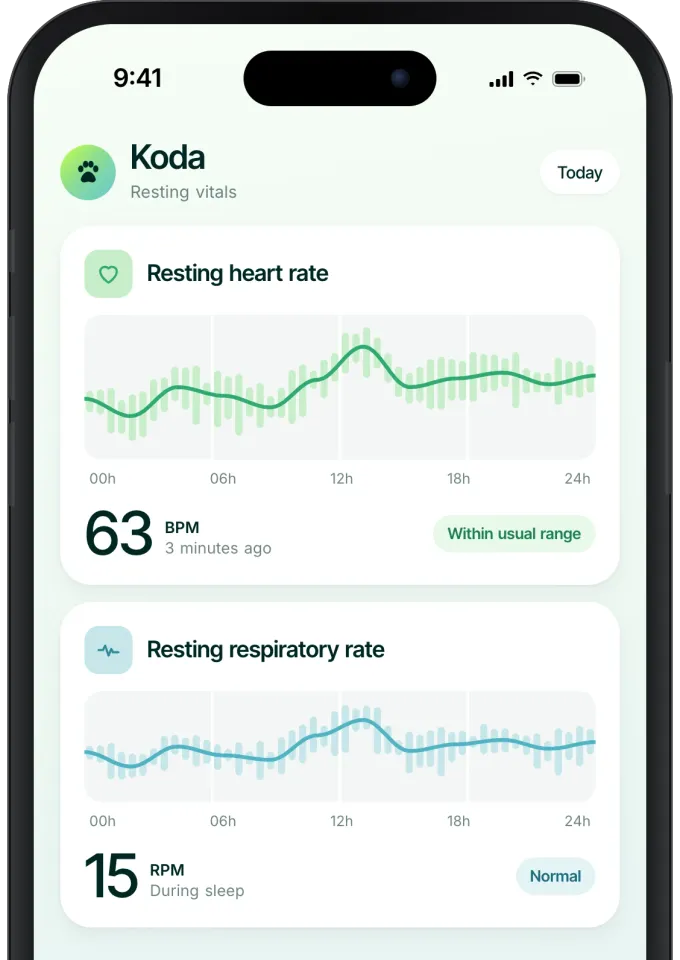
 Resting heart rate
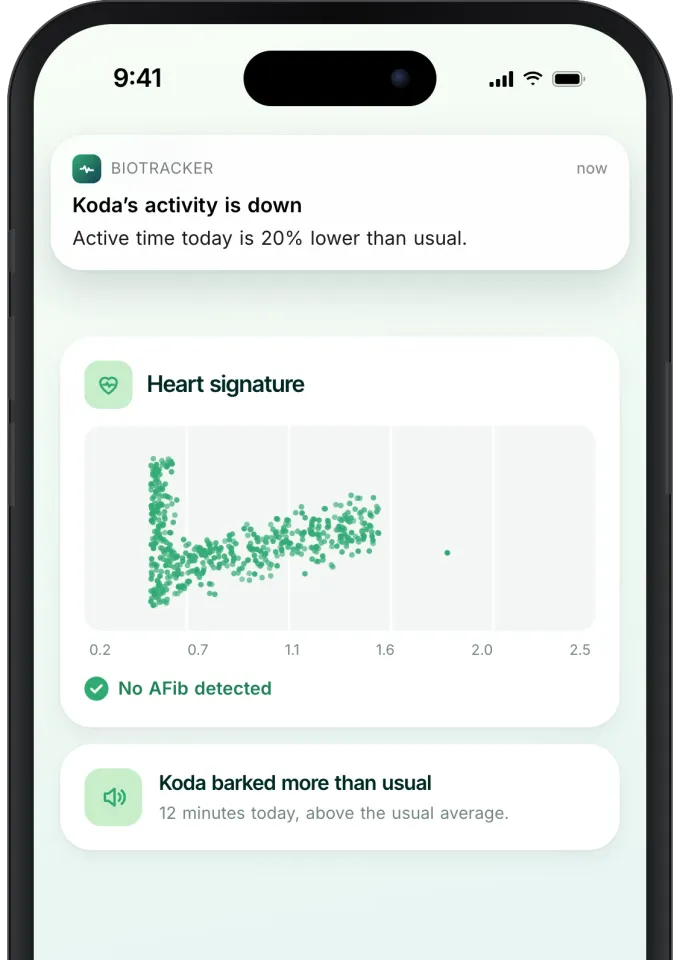
Measured during sleep, when readings are most comparable from one day to the next. Biotracker also includes an estimate of atrial fibrillation (AFib) risk.
 Respiratory rate
The measure cardiologists most often ask owners to count at home, recorded automatically.
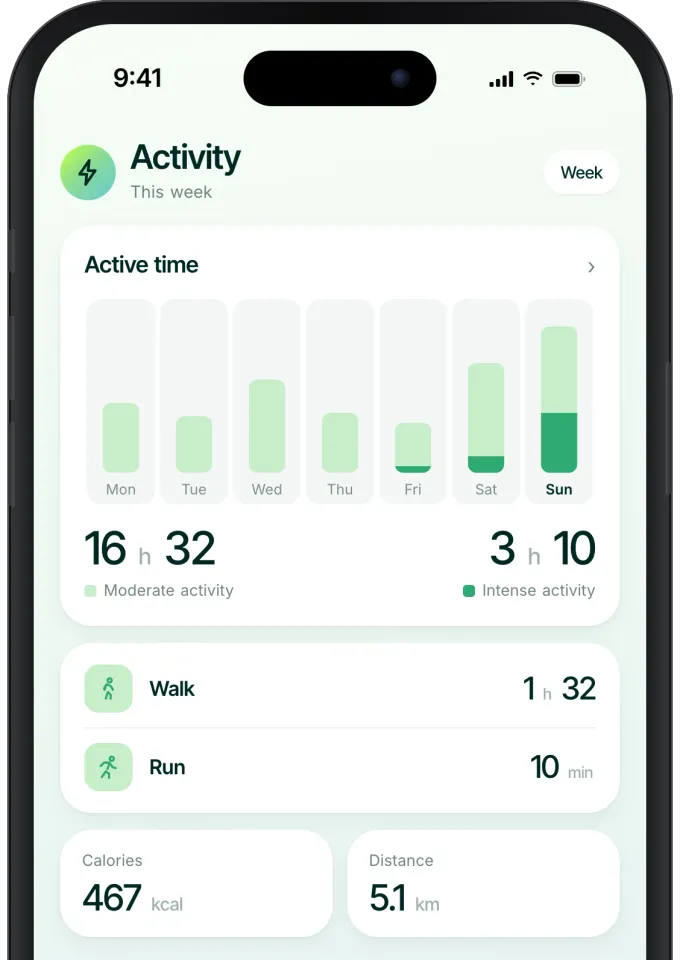
 Sleep and activity
A dog may start moving less or sleeping differently before their owner notices a change.
 Veterinary report
If your clinic uses Biotrack, it can view charts and trends remotely. Otherwise, download a complete PDF report before the visit.
From daily readingsto your veterinary appointment
Biotracker does not make a diagnosis. It records the time between appointments and flags changes from your dog's usual patterns.
Measure at rest
Heart and respiratory rates, measured continuously during rest and sleep.
Build a personal baseline
As readings accumulate, they establish what is normal for your individual dog, rather than for their breed.
Flag a lasting change
Alerts respond to a sustained change from these baselines, never a generic threshold. Alerts are included in the Plus and Max GPS plans.
Share with your vet
Use the dedicated Biotrack platform to access all health and activity data, or download a PDF from the app.
Monitor treatment response
After diagnosis and the start of treatment, Biotracker data helps your vet assess your dog's response and adjust doses if necessary.
Signs that meanit is time to see your vet
No single sign is enough for a diagnosis. Each warrants a heart examination, particularly in a dog from a predisposed breed.
Why do AFib alerts matter in DCM? Atrial fibrillation can complicate DCM and make an already weakened heart less efficient. Biotracker AFib alerts flag a risk between appointments: contact your vet without delay for ECG confirmation and, if needed, a change in care.

Breathing · Faster than usual at rest
A sleeping respiratory rate above your dog's own baseline over several days, without an apparent explanation such as heat, exercise or stress.

Stamina · New fatigue during exercise
Your dog stops earlier on walks, takes longer to recover or avoids outings they used to enjoy. The change matters more than the absolute activity level.

Urgency · Coughing, weakness or fainting
A persistent cough, loss of balance or brief loss of consciousness calls for prompt veterinary attention. These are late signs.
Causes andpredisposed breeds
Canine dilated cardiomyopathy is a disease of the heart muscle: the left ventricle enlarges, its walls become thinner and contractions weaken. A vet makes the diagnosis after ruling out other causes of myocardial dysfunction.

A largely genetic origin
In Dobermans, inheritance is described as autosomal dominant. The condition passes from one generation to the next, explaining the importance of breed and family line in an individual dog's risk.

Two ways it can appear
The disease may begin with rhythm disturbances, reduced contractility or both. Screening therefore combines a 24-hour Holter to assess electrical activity with an echocardiogram to assess heart structure.

Non-hereditary factors
Diet-associated forms have been described since 2018 and remain under investigation. A causal relationship has not been established.
Before and after diagnosis
Before: notice what changes
Your dog belongs to a predisposed breed and seems well. The occult phase can last for years without visible signs. Continuous monitoring replaces neither a Holter nor an ultrasound, but it provides a reference for what is normal for your dog.
- Personal baselines established before anything changes
- An objective reason to bring a screening appointment forward
After: track progression
Once a diagnosis is made and treatment begins, appointments may still be months apart. The disease continues between visits. Monitoring records those months and gives your vet real data to inform adjustments.
- A continuous history rather than isolated readings
- A report to send before each follow-up appointment
Monitor your cardiac patients remotely
Biotrack is Invoxia's professional platform. It brings together data from dogs in your practice wearing a Biotracker, so you can monitor patients you consider at risk between appointments.
Dilated cardiomyopathy:how common is it in Dobermans?
Why focus on Dobermans? This breed is particularly affected by DCM, and detailed age-based screening data is available. The study by Wess et al., involving 412 Dobermans, reported a cumulative prevalence of 58.2%. The figures below apply to this breed and cannot be generalised to all dogs.
Prevalence by age in Dobermans
Screening of 412 dogs using echocardiography and 24-hour Holter monitoring.
| Age | Prevalence |
|---|---|
| 1–2 years | 3% |
| 2–4 years | 10% |
| 4–6 years | 12.5% |
| 6–8 years | 44% |
| Over 8 years | 44% |
These figures come from active screening within a breed population, rather than clinical prevalence seen in consultations. The two methods are not directly comparable.
Sources: Wess et al., J Vet Intern Med 2010; Wess et al., J Vet Cardiol 2017; Tidholm et al., Vet J 2001; Broschk & Distl, Dtsch Tierarztl Wochenschr 2005; Summerfield et al., J Vet Intern Med 2012; Freeman et al., JAVMA 2018; Cornell University College of Veterinary Medicine.
Breedsmost often affected
Dilated cardiomyopathy is the second most common heart disease in dogs and the most common in large breeds.

Dobermans are among the most affected breeds. Learn more about the Doberman.
Irish Wolfhounds are among the breeds most often affected.
Newfoundlands are also among the most affected breeds.
In Boxers, it often presents as ventricular arrhythmias.
Great Danes are among the predisposed breeds discussed in this guide.
In Cocker Spaniels, taurine deficiency may be involved.
The four stagesof the disease
Veterinary cardiologists describe progression in four stages. Much of the time is spent in the first two, when the dog can appear perfectly healthy.
A · At-risk dog
A predisposed breed or affected family line, with no detectable abnormalities. Monitoring starts here.
B · Occult phase
The heart already shows abnormalities, arrhythmias or enlargement, but the dog has no symptoms. This phase can last for years.
C · Heart failure
Clinical signs appear: fatigue, coughing and faster breathing. The vet starts treatment.
D · Refractory stage
Heart failure no longer responds to standard treatment. Hospital-based care becomes necessary.
The PROTECT study showed that starting pimobendan in the preclinical phase delayed clinical signs and prolonged survival in Dobermans. Early identification can therefore directly inform treatment decisions made by the vet.
Your dog's health,in one app.
Resting vital signs, long-term trends, alerts and veterinary reports: follow your dog's heart health on iOS and Android. Alerts and the daily report are included in the Plus and Max GPS plans.


Read more aboutyour dog's heart health

Doberman and Dilated Cardiomyopathy: Early Detection to Act in Time

Canine Health: Understanding Dilated Cardiomyopathy and Protecting Your Dog's Heart
Dog Heart Rate: What if You Knew Yours? When Invoxia Technology Revolutionizes Veterinary Science

Senior Cardiac Dog: How to Effectively Monitor Its Heart
Questions dog owners ask us
A question about the disease or monitoring? Our support team can help directly.
Contact support
No. It is a progressive disease of the heart muscle. It can, however, be treated: veterinary care slows progression and improves your dog's comfort. The PROTECT study showed that treatment started in the preclinical phase delayed the onset of clinical signs in Dobermans.
For Dobermans, the European Society of Veterinary Cardiology recommends annual screening from the age of three, combining a 24-hour Holter and echocardiography. A single screening cannot rule out the disease developing later.
A lack of symptoms does not rule out disease. The occult phase means the heart is already affected even though the dog appears well, and it can last for years. This is why predisposed breeds are screened.
No. It measures vital signs and flags changes from your dog's usual patterns. Diagnosis relies on a clinical examination, echocardiography and Holter monitoring performed by a vet.
A sustained change from your dog's own trends, built from their individual readings. There is no single threshold for every dog: one seven-year-old Doberman's baseline is not another's. Alerts are included in the Plus and Max GPS plans.
Contact your vet without delay and share the Biotracker data. An AFib alert estimates risk; it does not replace a diagnosis, which requires tests including an ECG. If your dog collapses, loses consciousness or has difficulty breathing, contact an emergency veterinary service immediately.
Biotracker attaches to your dog's existing collar and measures without skin contact, shaving or electrodes. Your dog wears it continuously, including during sleep, when resting readings are most reliable.
Keep track of your dog's heart, every day
Biotracker follows your dog's heart and respiratory rates day after day and alerts you when they depart from their usual patterns. Alerts and the daily report are included in the Plus and Max GPS plans.
Biotracker is a monitoring device, not a diagnostic tool. It does not replace a clinical examination, echocardiography or Holter monitoring.