

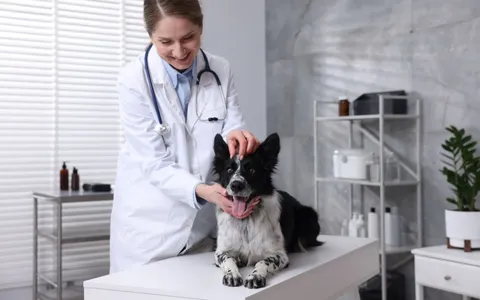

Hypothyroidismin dogs
When a dog has an underactive thyroid, their body runs short of thyroid hormones and everything slows down. Hypothyroidism ranks among the most frequent hormonal conditions in dogs, and its early signs are easy to write off as laziness or simply getting older.
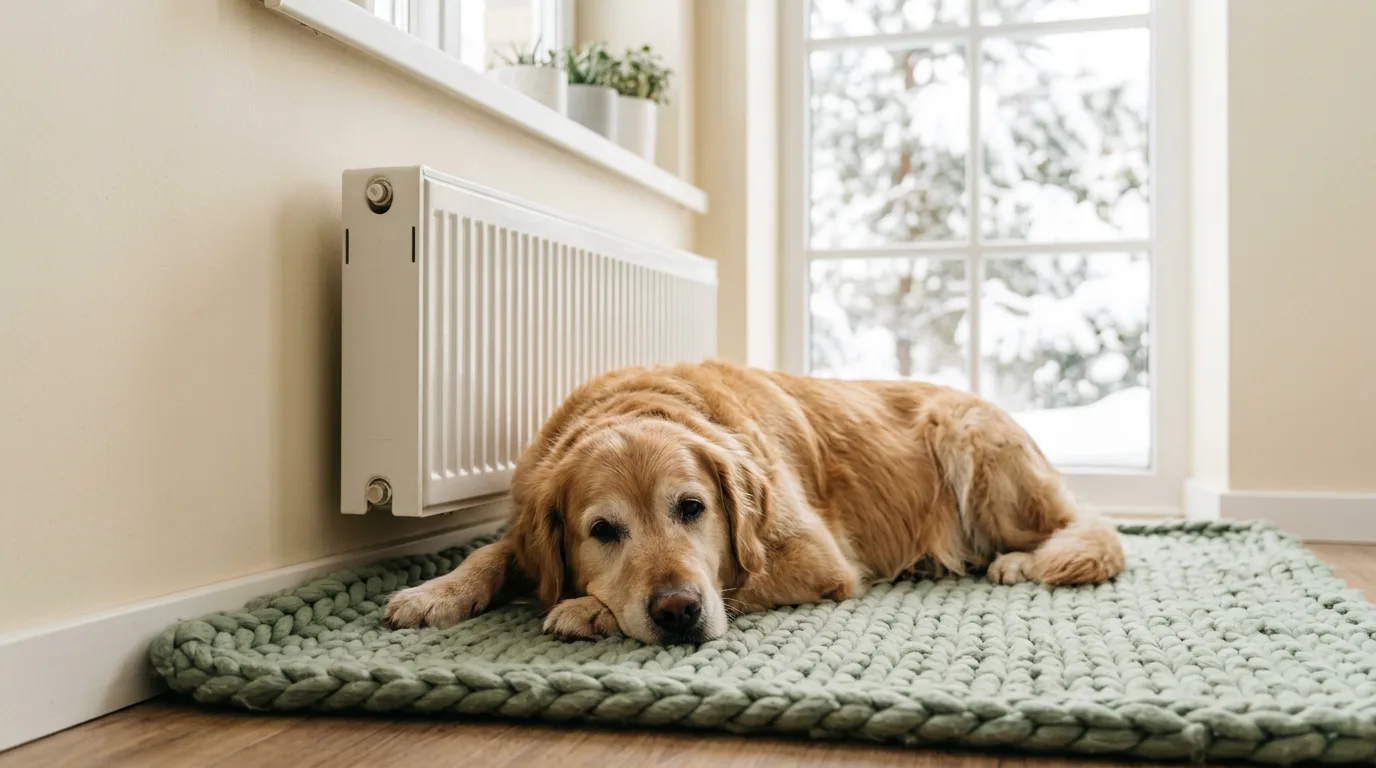
Tiring faster, putting on pounds without eating more, hunting for warm spots: any of these is worth a vet checkup. Below you’ll find the signs to look for and what daily tracking can help you see.



Biotracker:daily health tracking for your dog
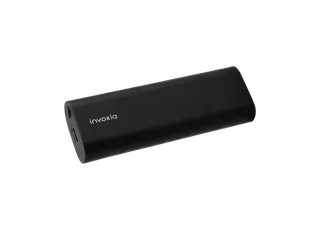
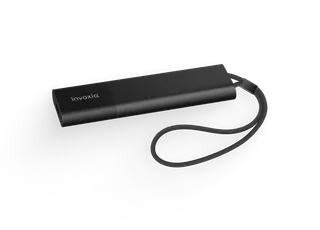
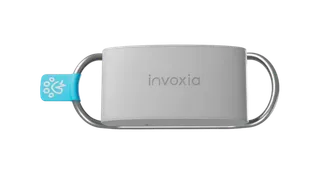
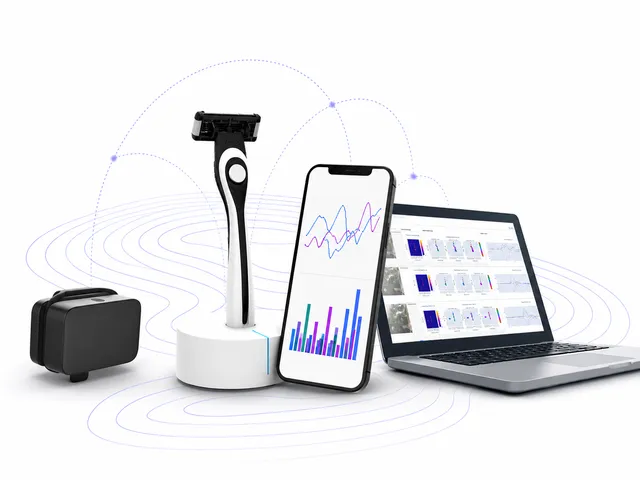
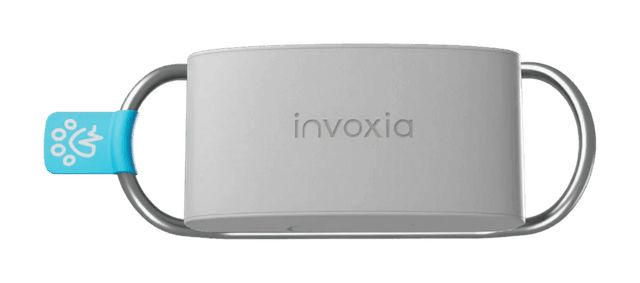
Biotracker logs your dog’s activity along with their heart rate and breathing rate while resting and asleep.
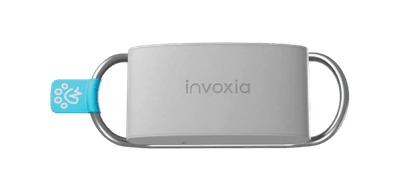
Biotracker
Health tracking, every day
- Heart and breathing rates at rest
- Activity and sleep, day by day
- Battery that lasts up to 15 days
- Vet access via Biotrack
From
Learn more
What daily trackinghelps bring to light
Low thyroid in dogs creeps in over weeks or even months. Instead of relying on memory, Biotracker keeps a record of every change. Plus and Max GPS subscriptions include the daily report.
 Everyday activity
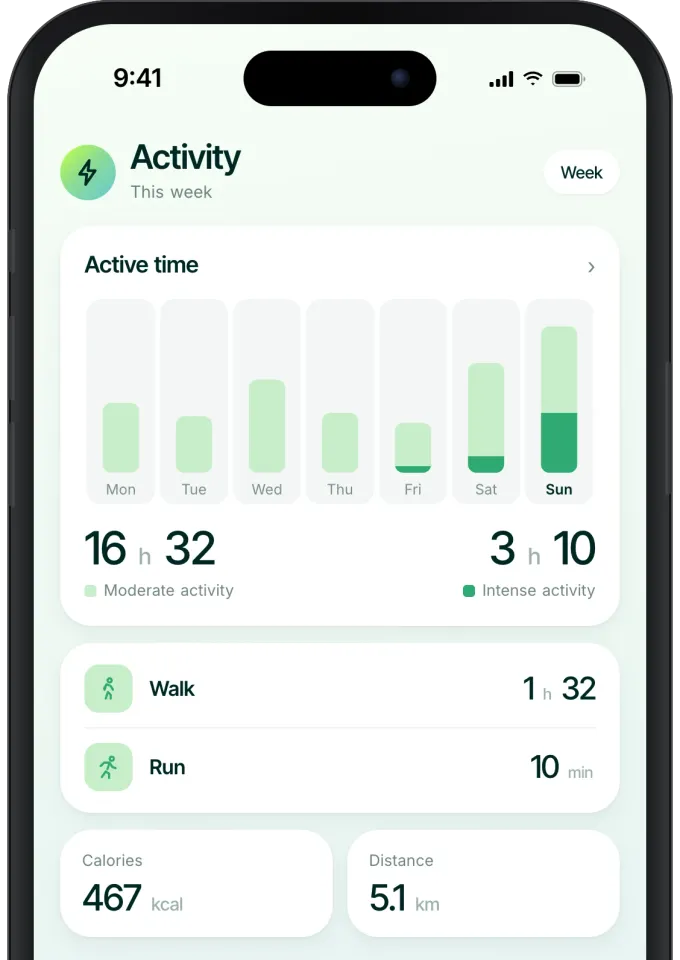
Time spent active, distance covered and intensity, lined up day by day. The trends reveal any drop that lasts.
 Rest and sleep
How long and how regularly your dog sleeps. A dog who slowly starts sleeping more often shows that shift well before anyone picks up on it.
 Heart rate at rest
A slowed heart rate can be one of the signs. Because it is measured while your dog sleeps, comparing one day with the next is simple.
 Tracking treatment
After treatment begins, the recorded history shows your veterinarian how your dog is doing between rechecks.
From everyday readingsto your vet visit
Biotracker is not a diagnostic device. What it does is document the time between two vet visits.
Record daily
Activity, sleep, plus heart and breathing rates at rest, logged around the clock with no need for your dog to hold still.
Learn your dog’s normal
Over the days, the readings set a baseline specific to your dog rather than to their breed.
Catch a shift
Plus, which also comes with Max GPS, sends you a notification when readings stay away from your dog’s usual patterns.
Loop in your vet
Share a link that opens the data on Biotrack for your vet, or download a PDF report ahead of the appointment.
Monitor treatment
Once your dog is diagnosed, the data lets your veterinarian follow how they respond between follow-up blood work.
Dog hypothyroidism symptomsworth a vet visit
On its own, each of these signs looks minor. What should lead to a thyroid test is how they pile up and develop little by little.
No single sign confirms the condition: hypothyroidism can only be diagnosed with blood work ordered by your veterinarian.

Energy · Sluggishness and low enthusiasm
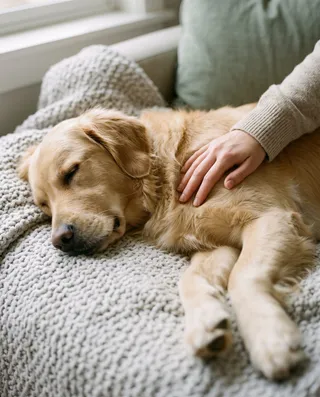
Your dog falls behind on walks, plays less, naps more and avoids effort, with no other clear explanation.

Weight · Weight gain, sensitivity to cold
Pounds go on even though appetite and portions are the same, cold weather is hard to handle and your dog hunts for warm spots.

Skin and coat · Dull fur, thin patches
A dry or sparse coat, heavy shedding, fur that won’t regrow after a shave, and skin or ear infections that keep coming back.
Why do dogs developan underactive thyroid?
Sitting in the neck, the thyroid gland makes the hormones that control how fast metabolism runs. Too little hormone means everything slows: energy, weight, skin and heart. VCA reports that over 90% of cases trace back to two causes, and both of them damage the gland directly.

Autoimmune thyroiditis
The body’s immune system targets the thyroid and destroys it over time. According to VCA, this condition is partly inherited.

Thyroid atrophy
Fat slowly takes the place of the gland’s tissue, and no cause has been identified.

Less common causes
In rarer cases, thyroid cancer is responsible.
Before and aftera diagnosis
Before: set a baseline
Your dog is healthy but getting close to the age when the condition tends to show up. Tracking captures their normal activity and sleep, so a slowdown stands out as it begins.
- Reference values unique to your dog, recorded while healthy
- A solid reason to request a checkup if routines change
After: keep tabs on treatment
Treatment is given daily for life, with blood work at regular intervals. Tracking fills in the months between rechecks.
- A record of activity and sleep from the start of treatment
- Readings to review with your vet ahead of each recheck
Monitor patients on thyroid treatment from a distance
With a link sent by the owner, you can view the dog’s data on the Biotrack platform and follow them between visits. No equipment needs to be set up beforehand.
At what age should a dog’sthyroid be tested?
The MSD Veterinary Manual notes that hypothyroidism usually shows up between 4 and 10 years old, and VCA puts the average at around 6 to 7 years. After treatment begins, the first follow-up blood test happens at about one month, then approximately every six months.
Keep these numbers in perspective
Treat these figures as general guidance. According to the MSD Veterinary Manual, hypothyroidism is frequently overdiagnosed: one low result does not settle the question, and your veterinarian sets the checkup schedule.
Sources: VCA Animal Hospitals; MSD Veterinary Manual.
Breeds at higher riskof hypothyroidism
Any breed can develop hypothyroidism, and so can mixed-breed dogs. Several breeds are named as predisposed by the MSD Veterinary Manual, most of them medium or large. VCA adds that the condition may be more frequent in spayed or neutered dogs.
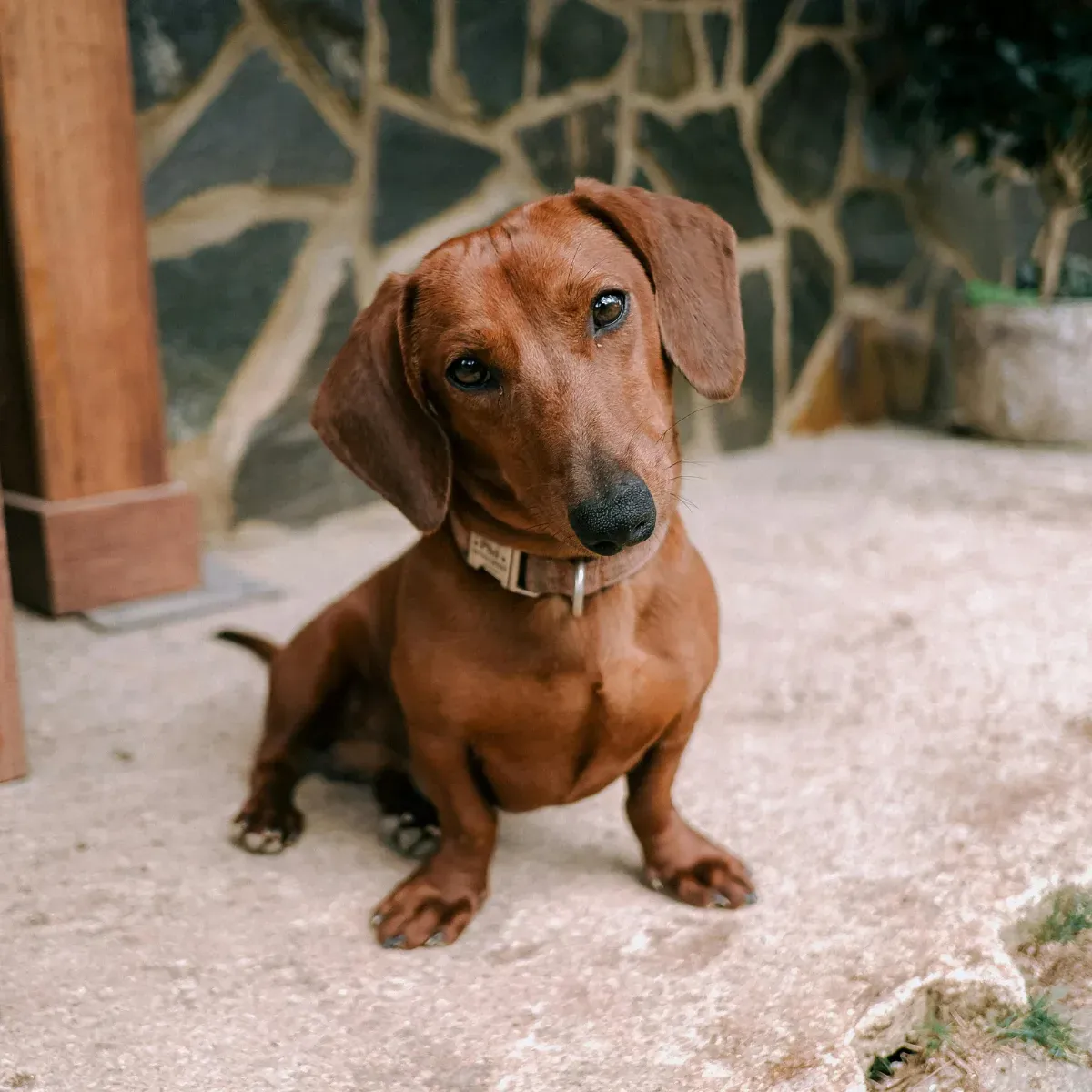
Dachshund: a predisposed breed, so unexplained tiredness or weight gain calls for a checkup.
A predisposed breed: watch their energy level and how their coat looks.
A predisposed breed: ear infections that keep returning may be a sign.
A predisposed breed: weight gain without bigger meals is worth raising with your vet.
Doberman: a predisposed breed, so fading enthusiasm that sticks around should lead to a vet visit.
A predisposed breed: let your vet know about a dull or thinning coat.
How vets diagnoseand treat hypothyroidism
There is no cure for hypothyroidism, yet treatment works well. A diagnosis is based on a physical exam and blood work.
Physical exam
Your veterinarian checks the signs, weight, skin and heart, and looks for other reasons your dog may be tired.
Hormone testing
Blood work checks total thyroxine (T4). When that comes back low, a more targeted free T4 test confirms or excludes the condition.
Daily medication
Levothyroxine, a synthetic thyroid hormone, is given by mouth once a day for the rest of the dog’s life. The dose is based on body weight.
Dose adjustments
Follow-up blood work confirms the dose is correct. Excess hormone can cause restlessness, weight loss or extra thirst.
Most dogs with hypothyroidism do well on treatment: the MSD Veterinary Manual describes treatment failure as uncommon. Energy often comes back within roughly two weeks, but skin and weight may need up to three months. Medication is daily and your dog’s needs shift over time, which is why regular rechecks matter.
Biotracker is a monitoring device: it cannot measure hormone levels and is no substitute for the blood work your veterinarian orders.
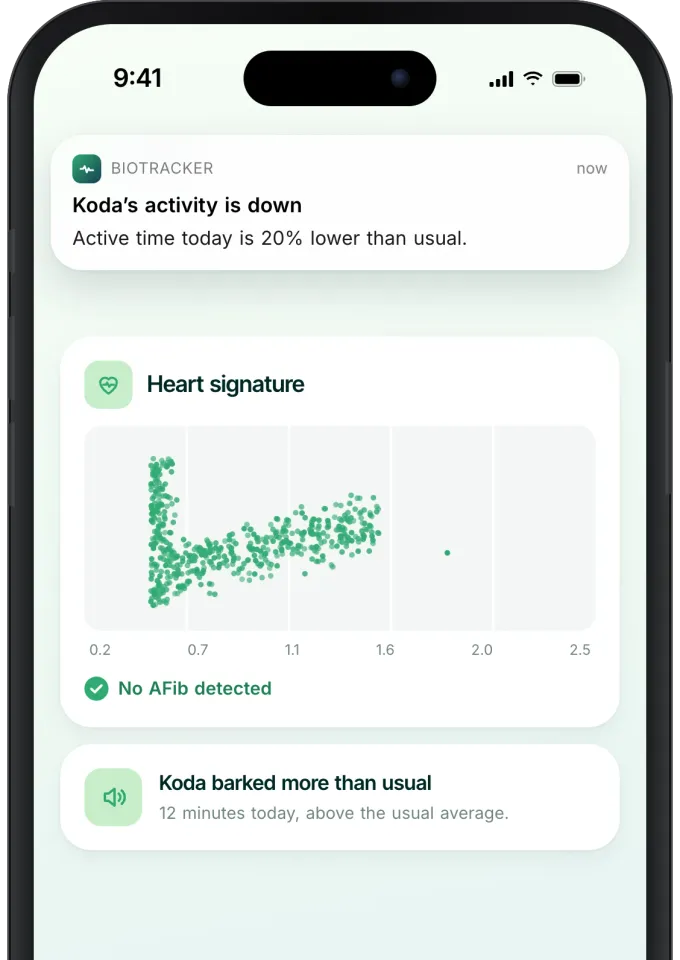
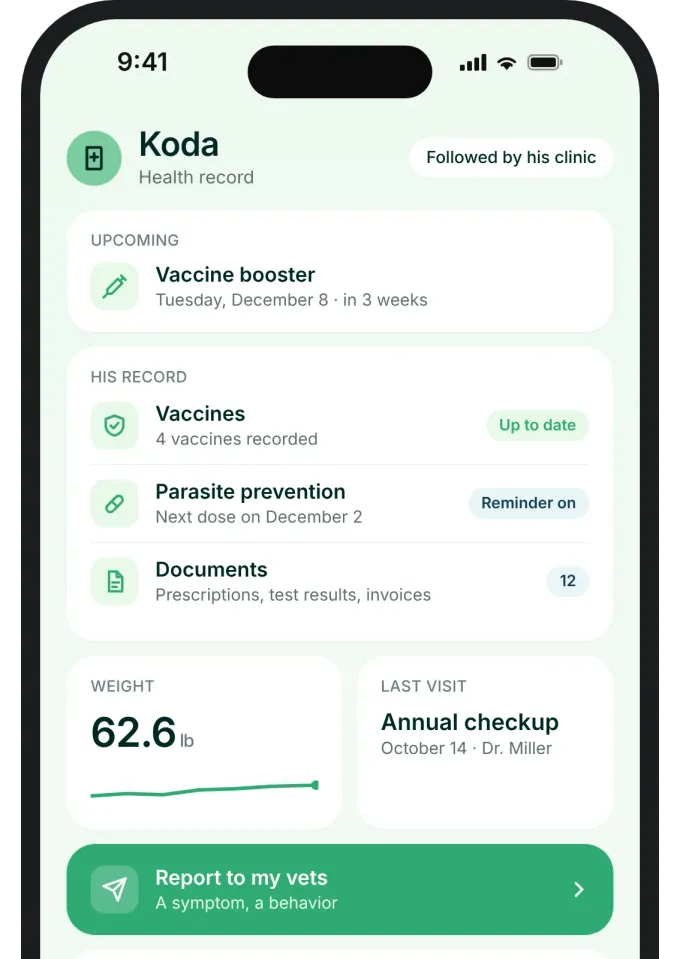
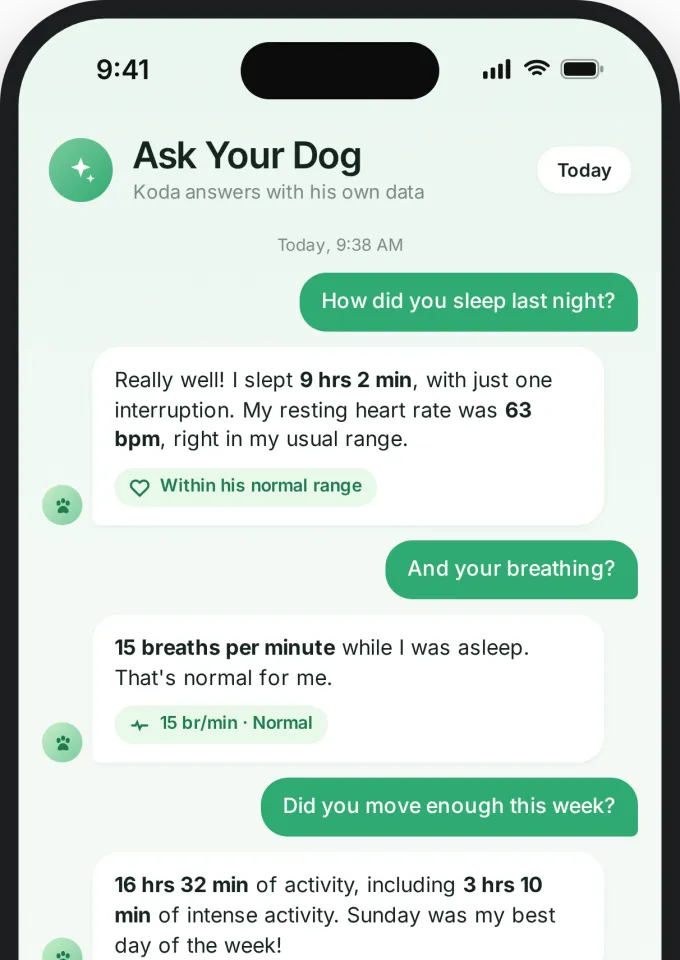
All your dog’s health data,in a single app.
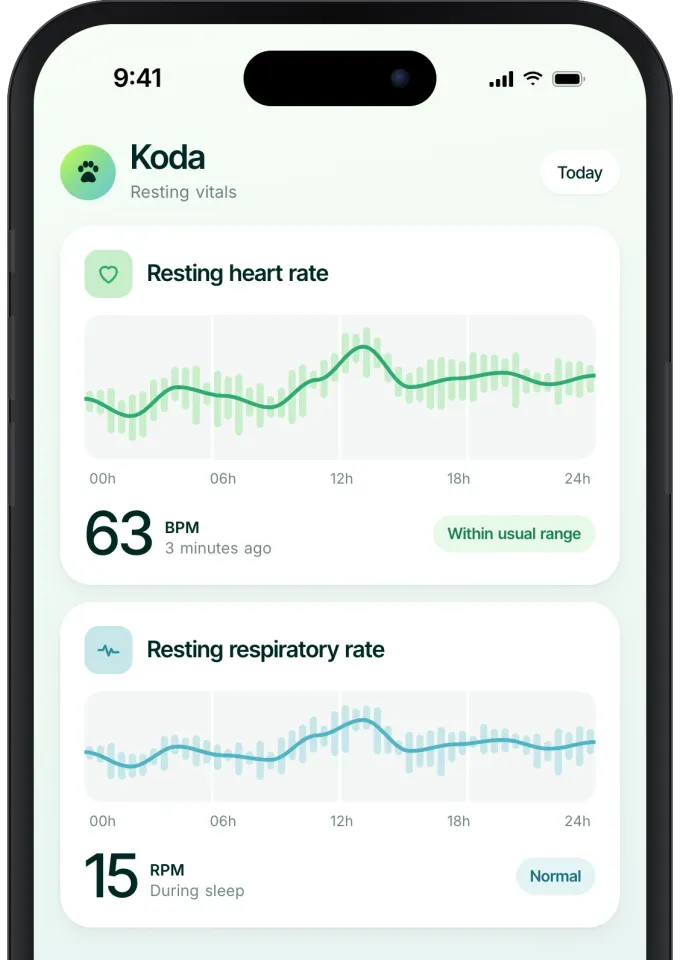
The app gathers resting vitals, activity, alerts, the health record and Ask Your Dog in one place. A Plus or Max GPS subscription is required for health alerts and Ask Your Dog.


More reading onyour dog’s day-to-day health
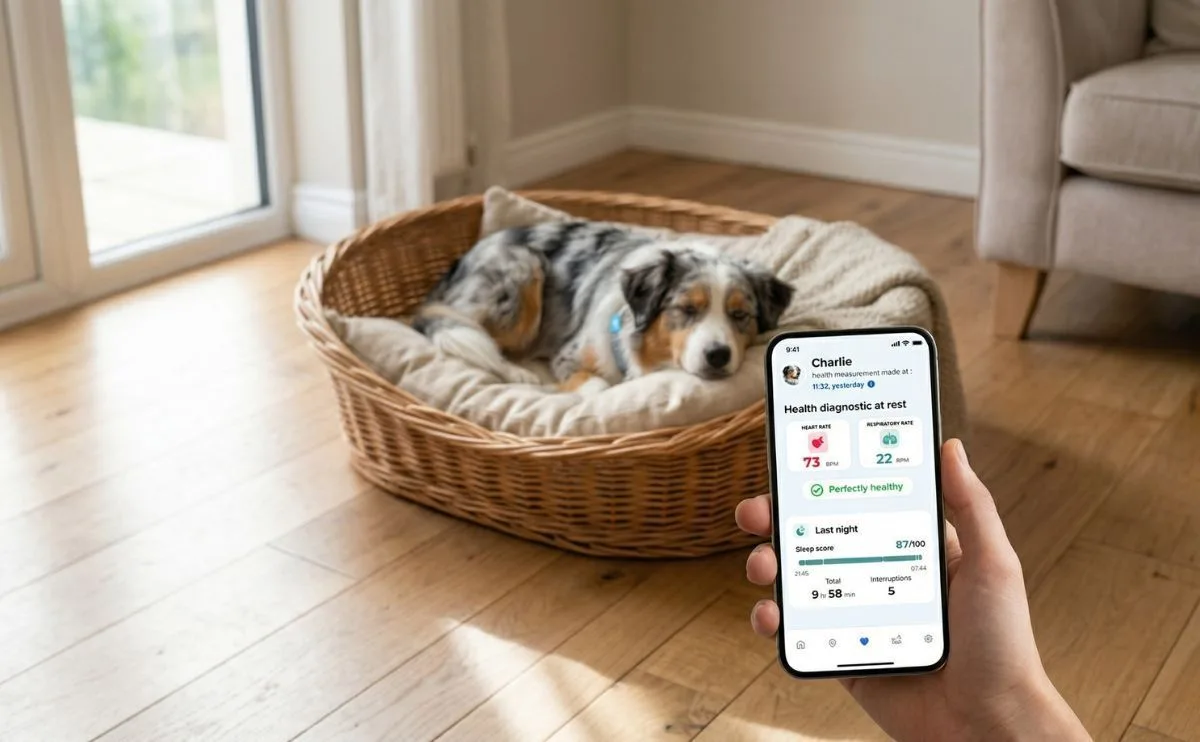
How to Monitor Your Dog’s Health Daily?
Obese Dog: Causes, Risks, and Solutions to Prevent Excess Weight
Dog Shedding: Why It Happens and How to Support It Properly
All you need to know about your dog’s sleep: the new Biotracker feature is now available!
Dog hypothyroidism: your questions answered
Get in touch
Usually fatigue, less interest in moving and weight gain without extra food. Later come a dry or thinning coat, sensitivity to cold, and skin or ear infections that keep recurring.
Typically between 4 and 10 years old, with an average of around 6 to 7 years. It can still develop sooner or later than that, so unexplained fatigue or weight gain calls for a checkup at any age.
Blood work that checks total thyroxine (T4), followed by free T4 if the first result is low. A low T4 by itself is not conclusive: other illnesses can bring it down, and hypothyroidism is frequently overdiagnosed.
No, but treatment works very well. Your dog takes a synthetic thyroid hormone daily for life, and regular blood work guides any dose changes.
Yes, once the dose is correct, often alongside an appropriate diet and regular exercise. Your veterinarian can help you choose a realistic goal.
Your dog may seem restless, sleep badly, lose weight or drink more water. Let your veterinarian know about these changes so the dose can be adjusted.
Not always: senior dogs and dogs with short coats often handle cold weather less well. Still, a newly developed sensitivity to cold, combined with fatigue, weight gain or a dull coat, is a sign of hypothyroidism. Bring it up with your vet.
No. It tracks activity, sleep, and heart and breathing rates at rest, and points out departures from your dog’s normal patterns. Hypothyroidism can only be confirmed with blood work ordered by your veterinarian.
It looks for a lasting shift away from your dog’s own readings, not a single threshold applied to every dog. Plus and Max GPS subscriptions both include health alerts.
Track their energyday after day
Biotracker follows activity, sleep and vitals at rest every day, so you can notice when your dog drifts from their usual patterns.
Biotracker is a monitoring device and does not diagnose disease. It is no substitute for a physical exam or the tests your veterinarian orders.