




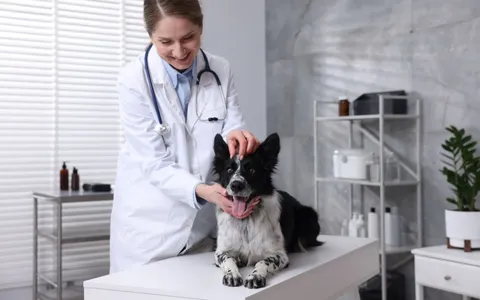

Pulmonary edemain dogs
Fluid collecting inside the lungs is called pulmonary edema. As it interferes with breathing, a dog may breathe rapidly and then have trouble getting air. This requires emergency veterinary care. Advanced heart disease is the most frequent underlying cause in dogs. Faster breathing while asleep can be a warning sign.



Biotracker:see the changes between vet visits
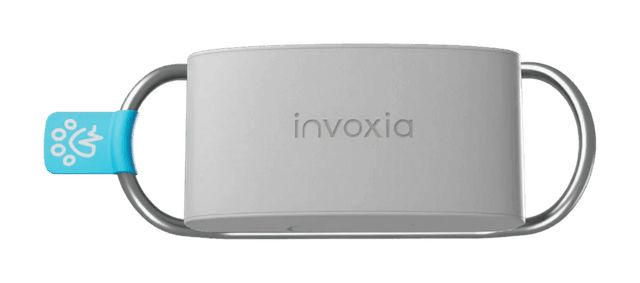
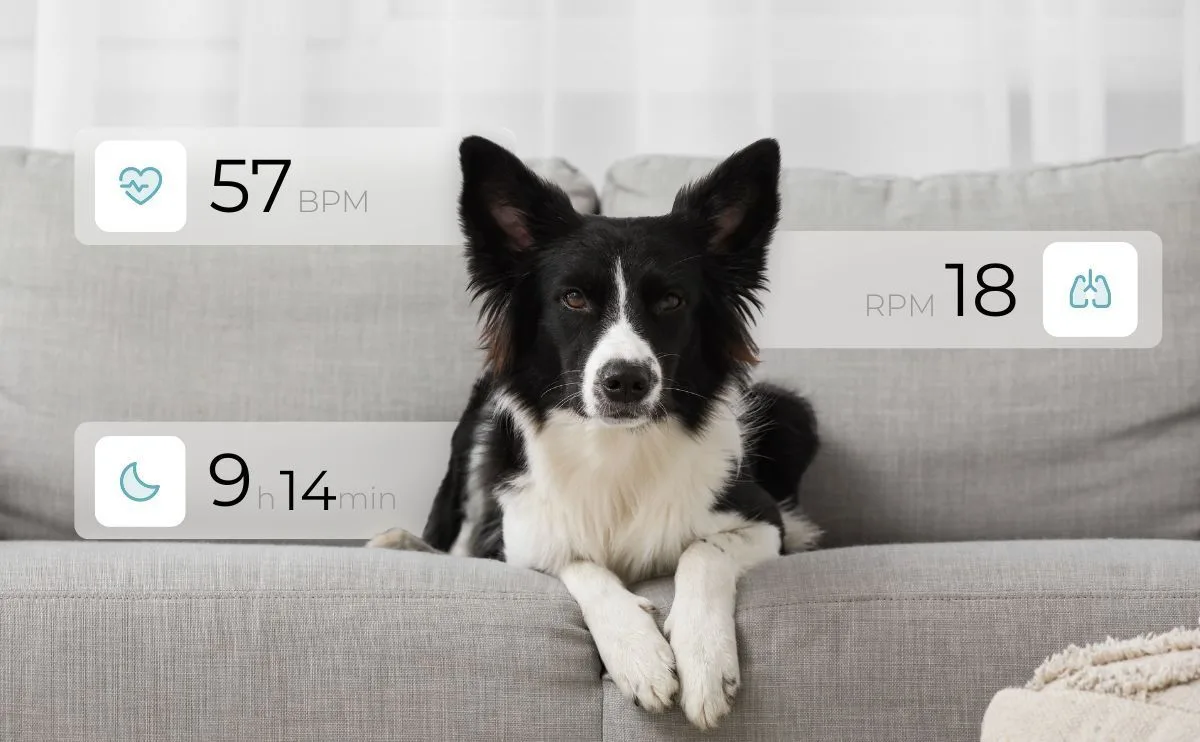
At home, Biotracker records heart rate and respiratory rate when your dog is resting or asleep.
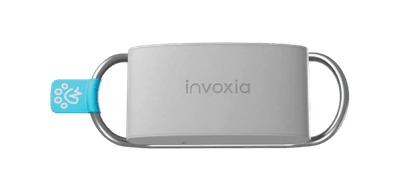
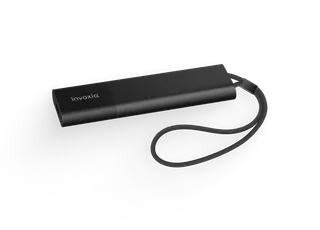
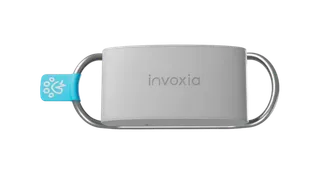
Biotracker
Keep a daily record of heart health
- Heart and breathing measurements at rest
- Battery life of up to 15 days
- A picture of trends across days
- Share a Biotrack access link with your veterinarian
From
Explore
Make everyday changeseasier to see
A veterinary visit captures only part of the picture. Biotracker documents the months in between, providing a record instead of relying on what you remember. Plus and Max GPS include a daily report.
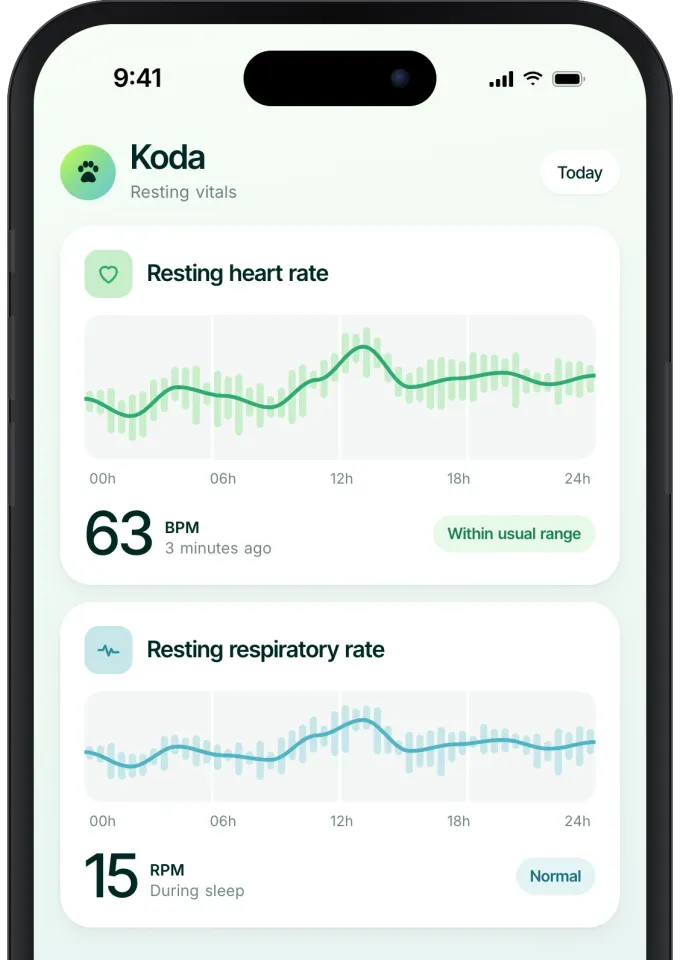
 Heart rate at rest
Recorded while your dog sleeps. A changing pattern may point to pulmonary edema risk months ahead*.
 Respiratory rate
Automatic readings while your dog is asleep.
 Your dog’s baseline
Compare new readings with your dog’s established pattern.
 Data for your veterinarian
Your veterinarian can view the measurements on Biotrack using the link you share. No prior equipment is needed.
* The AI-Collar study, conducted with Prof. Valérie Chetboul, described this individual case: resting heart rate rose gradually during the 120 days before edema developed. The algorithm picked up the signal several weeks ahead of symptoms. That timing cannot be applied to every dog, and the finding is not a diagnosis.
A daily breathing recordfrom Biotracker
Collect sleep-time measurements
As your dog rests, Biotracker measures heart rate and breathing. There is no need to wake them or make them hold still for a reading.
Your dog’s baseline
Repeated measurements build a personal baseline for your dog, showing their usual range over time.
Notice a lasting change
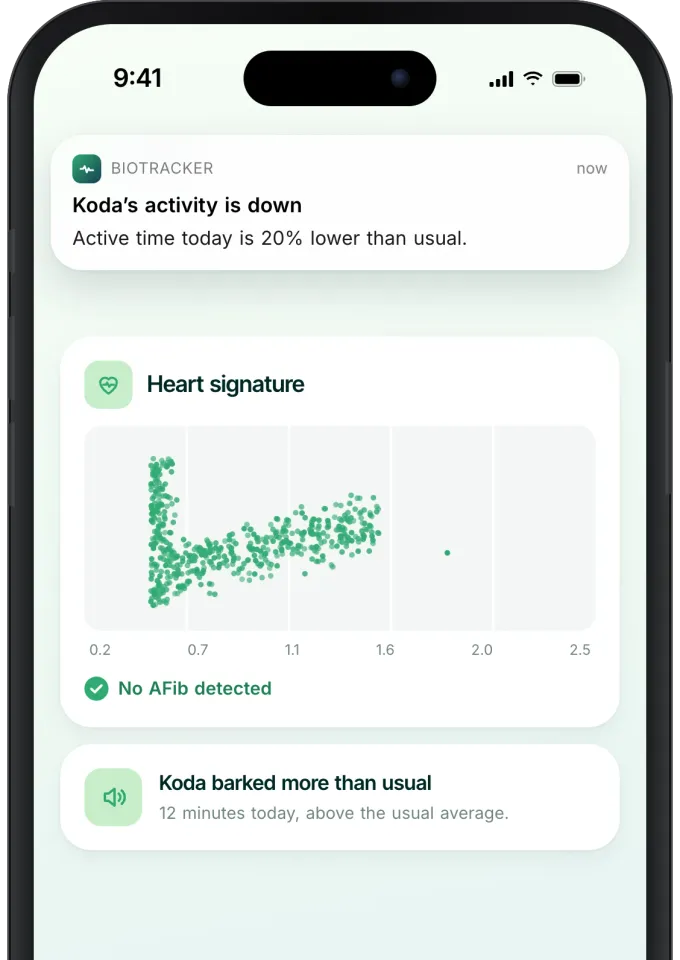
Plus and Max GPS subscribers receive alerts when their dog’s readings remain outside the usual individual pattern.
Bring data to the appointment
Let your veterinarian review the recorded history ahead of your visit to support treatment decisions.
Connect between visits
A link shared with your veterinarian opens your dog’s data on Biotrack, supporting follow-up outside the clinic.
Warning signs:when to call your veterinarian
Watch for a dog breathing faster than usual while resting or asleep. This change can be easy to miss.
Go to an emergency veterinary hospital immediately if breathing is difficult at rest, your dog breathes through an open mouth without an obvious reason, their tongue or gums look pale or blue, or they collapse.

Breathing harder or faster
Without heat or exercise to explain it, your dog may breathe quickly or with an open mouth. Their belly may move noticeably with the effort of each breath.

Coughing or unusual sounds
Listen for a cough, wheeze or crackling sound associated with breathing.

Restlessness, weakness or fatigue
A dog may be unsettled when resting, seem weak or become suddenly tired.
Why fluid builds upin a dog’s lungs
Inside the lungs, tiny air sacs called alveoli transfer oxygen to the blood. Pulmonary edema occurs when fluid accumulates there and disrupts that process. A sudden onset is described as acute pulmonary edema. Finding the underlying problem is essential to choosing treatment.
Heart disease is the leading cause
Blood returning from the lungs backs up when the left heart cannot move it efficiently. Increased pressure pushes fluid into the air sacs, a sign of left-sided congestive heart failure. The main underlying conditions are advanced mitral valve disease and dilated cardiomyopathy. Less often, a birth defect such as patent ductus arteriosus is responsible.
Fluid leakage without heart failure
Not every case starts in the heart. Lung blood vessels can leak after a blocked airway, including laryngeal paralysis, electrical injury, seizures or a head injury.

Other noncardiac causes
Smoke inhalation and near-drowning are other possible triggers. Pneumonia, a systemic infection or severe pancreatitis can also lead to noncardiogenic edema. Different causes require different treatment.
Monitoring before and aftera first pulmonary edema episode
Start with your dog’s normal readings
Heart disease has been diagnosed, but there are no symptoms? Recording breathing while your dog is doing well establishes a reference. That makes a lasting increase easier to recognize.
Give your vet a treatment history
Has your dog been treated for fluid in the lungs? Resting respiratory measurements between checkups help document the response to treatment for your veterinarian. Related conditions include mitral valve disease and dilated cardiomyopathy. You can also learn what a heart murmur in a dog means.
“Biotracker helped us act quickly and adjust her treatment.”
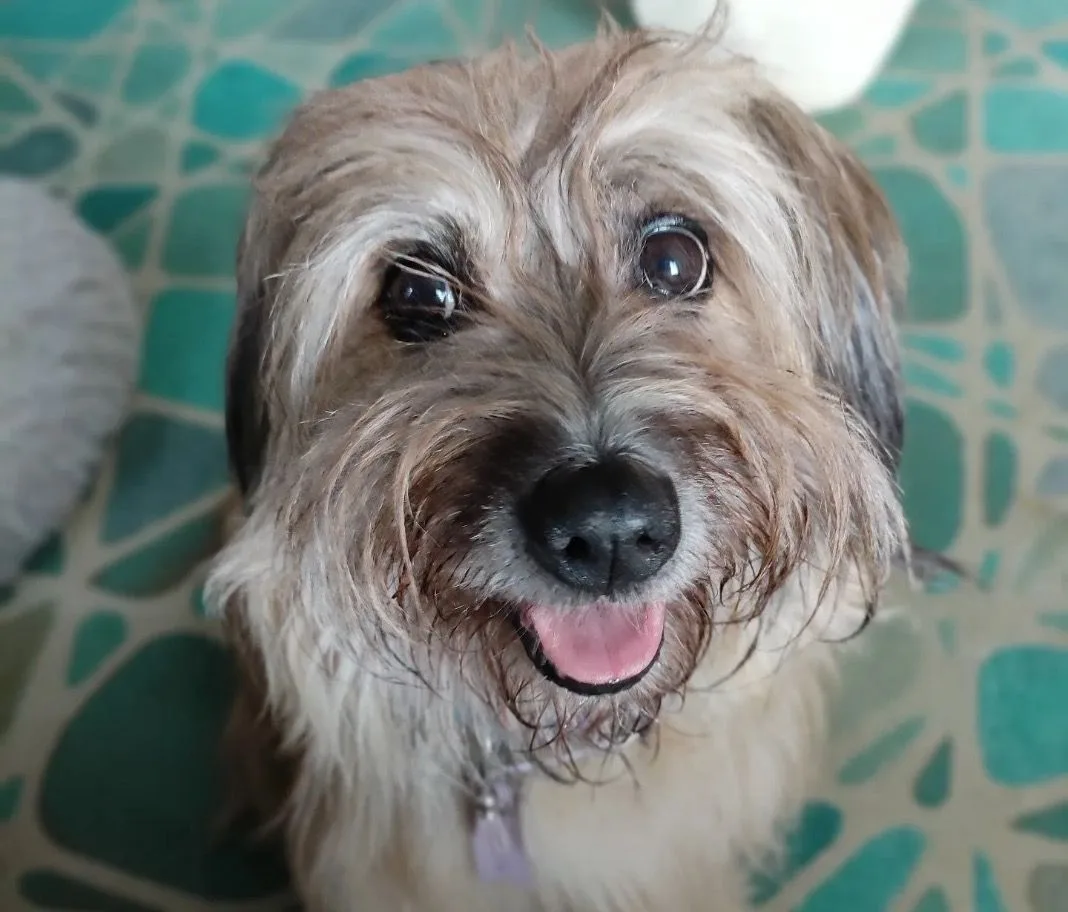
Cracotte’s faster breathing led to an urgent veterinary visit. After an X-ray confirmed fluid in the lungs, her care plan was changed.
Support cardiac patients beyond the clinic
With a link from the owner, your practice can open the dog’s measurements on Biotrack. Review what happens between visits without needing any equipment in advance.
Sleeping respiratory rate:understand the numbers
For dogs with cardiac disease, a rise above their personal breathing baseline is a key indicator of decompensation. The ACVIM consensus guidelines support tracking respiratory rate at home, as recommended by veterinary cardiologists.
Match each figure to the dogs studied
| Dogs or condition studied | Breathing measurements |
|---|---|
| Symptom-free mitral valve disease, asleep | Generally under 25/min; seldom over 30/min |
| Heart failure before stabilization | Above 40/min for most dogs |
| Heart failure controlled by treatment, asleep | 20/min median; below 30/min considered a reasonable goal |
| AI-COLLAR: 703 apparently healthy dogs at rest | 16.1/min median |
Do not use these study figures to diagnose your dog. Agree with your veterinarian on the reading that should prompt a call. For a manual count, use a full minute of quiet, deep sleep. Avoid heat and active dreaming, and count one inhale plus one exhale as a single breath.
Sources: VetCompass, Royal Veterinary College; The Veterinary Journal; AI-COLLAR, conducted with Prof Valérie Chetboul (ENVA).
WHAT THE STUDY FOUND
“This early HR signal was detected by the algorithm several weeks before the onset of overt clinical signs.”
Which dogsneed particular attention?
Risk often follows the underlying cardiac condition. Dogs prone to heart disease are therefore more exposed to pulmonary edema.
Small dogs weighing less than 44 lb (20 kg) are especially affected by mitral valve disease, the main cause of cardiogenic edema. Age increases its frequency: ACVIM reports valve lesions in up to 85% of small dogs by 13 years old. Cavaliers can be affected earlier in life. Annual screening is recommended by cardiologists for Cavalier King Charles Spaniels, Dachshunds, and Miniature and Toy Poodles.
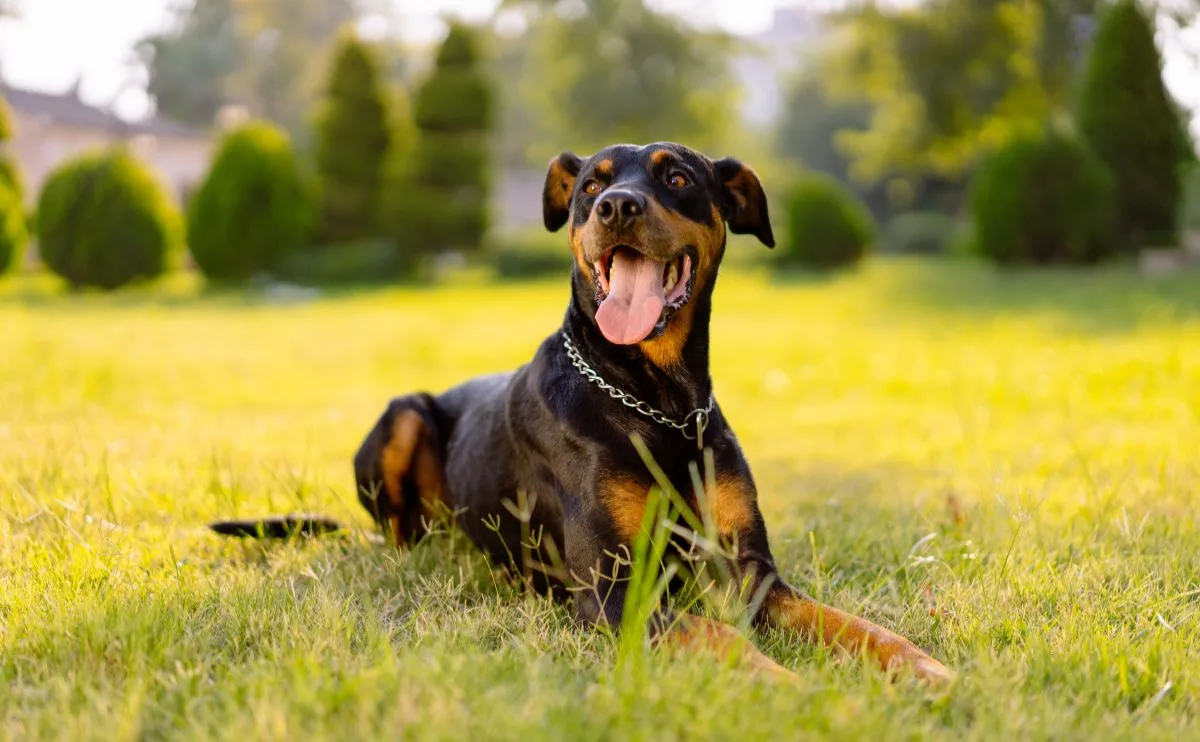
For larger dogs, dilated cardiomyopathy is a concern, particularly in Dobermans, Great Danes, Irish Wolfhounds, and Newfoundlands.

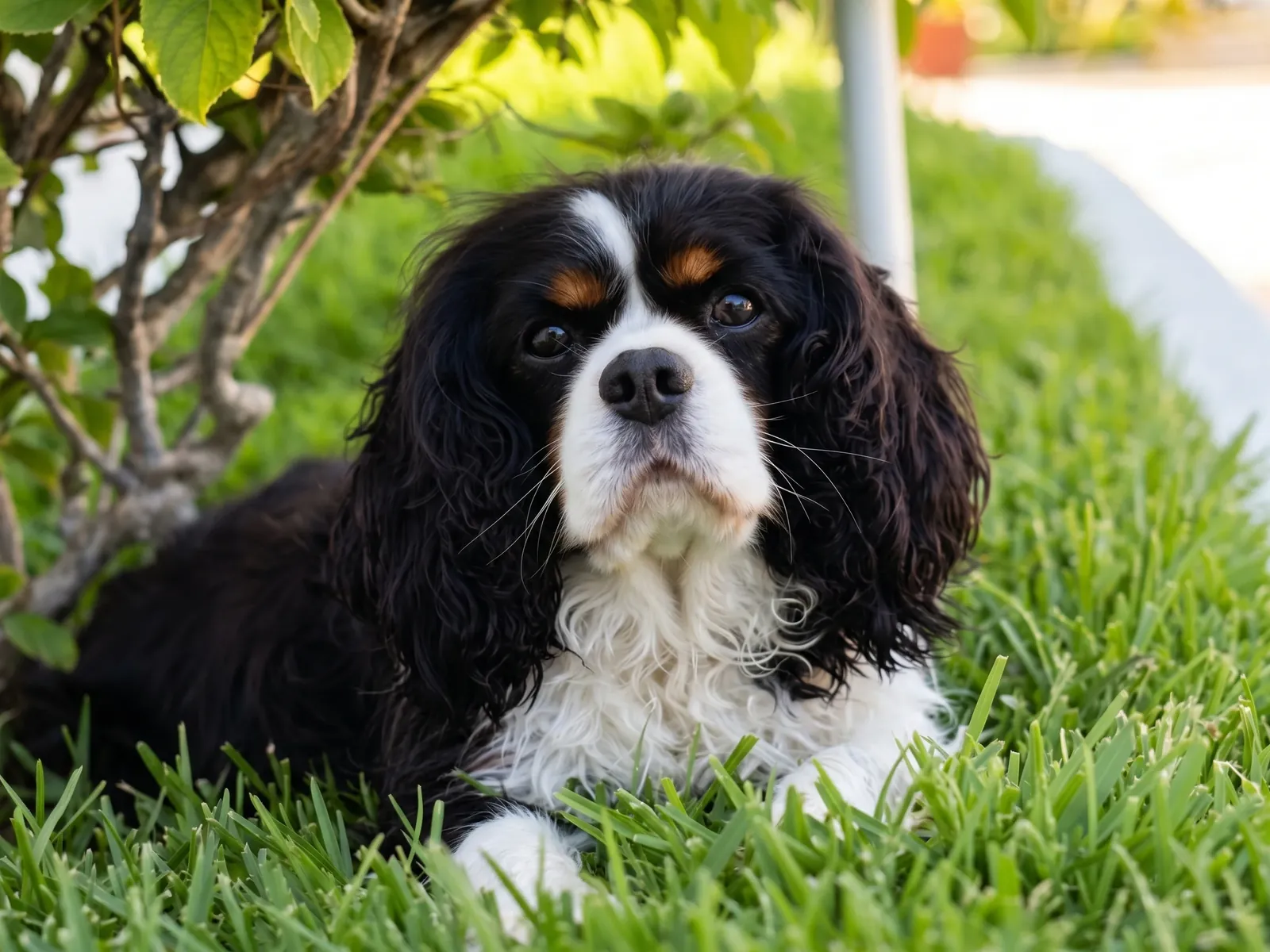
The Cavalier King Charles Spaniel can develop mitral valve disease at a young age.
For the Dachshund, cardiologists recommend screening every year.
Yearly cardiac screening is advised.
Dilated cardiomyopathy is a known predisposition in the Doberman.
Great Danes have a predisposition to dilated cardiomyopathy.
Dilated cardiomyopathy also affects these large dogs.
How veterinarians diagnoseand treat pulmonary edema
Care begins with helping the dog breathe. The veterinary team then addresses the cause, with quiet and rest forming part of recovery.
Support breathing first
A dog in respiratory distress needs stabilization before further workup. Emergency treatment includes supplemental oxygen.
Check for lung fluid
A chest X-ray is used to confirm that fluid is present in the lungs.
Identify the underlying condition
Heart ultrasound, or echocardiography, helps determine whether cardiac disease is responsible. The assessment often also includes bloodwork or an electrocardiogram.
Choose cause-specific treatment
When the cause is cardiac, diuretic medication helps remove extra fluid and is often combined with a heart-supporting drug. For other cases, treatment targets the problem responsible, such as pneumonia, airway blockage or electrical injury.
Recovery depends on why the edema developed and how soon treatment starts. Fluid often clears well with prompt care. If heart disease is responsible, lifelong medication and follow-up are needed, and another episode is possible. A persistent rise in breathing during sleep can be a reason to review treatment. Your veterinarian is the person who can assess the outlook for your dog.
Biotracker supports monitoring; it cannot diagnose a condition or take the place of a veterinary exam. Seek care for difficult breathing without waiting for the app to alert you. PetMD’s guide to fluid in dogs’ lungs explains the tests and treatments.
See your dog’s patternsin one place.
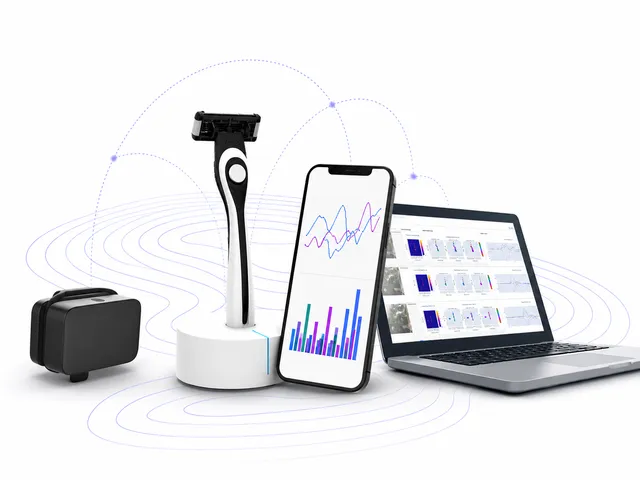
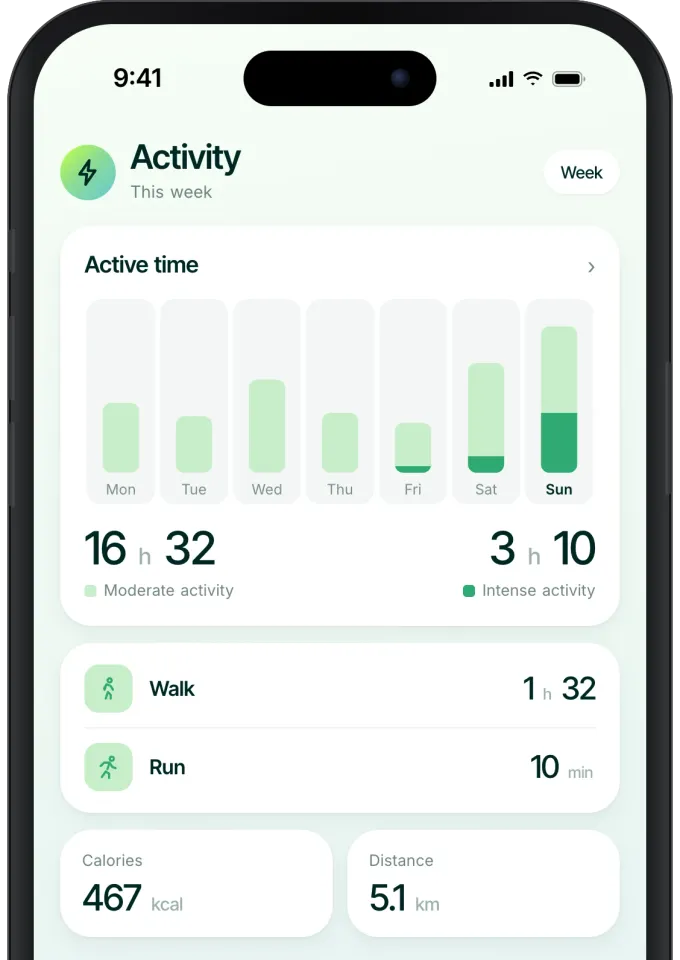
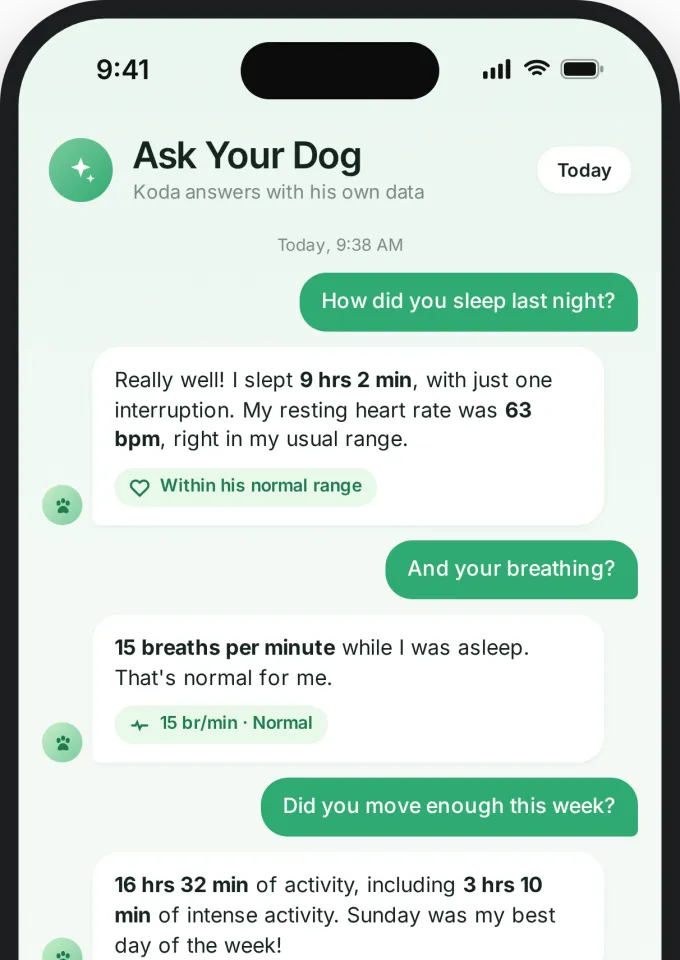
The app brings together activity, resting measurements, alerts and Ask Your Dog. Access to health alerts and Ask Your Dog requires a Plus or Max GPS subscription.


Explore heart healthand respiratory care for dogs
How Émilie followed Cracotte’s breathing
What research with Invoxia reveals about canine heart rate
Keeping track of an older dog’s heart health
Dilated cardiomyopathy in Dobermans: why screening matters
Questions about pulmonary edema and your dog
Contact support
Watch for faster breathing when your dog is resting or sleeping, one of the early signs that deserves attention. Coughing, restlessness, breathing with an open mouth or visible belly effort are other signs. A collapse or blue-looking gums means your dog needs emergency care.
Yes. Trouble breathing while resting requires a veterinarian right away. Contact an emergency veterinary hospital if needed; do not wait for a routine appointment.
Advanced mitral valve disease and dilated cardiomyopathy are the most common cardiac causes. A dog may also develop lung fluid after seizures, an electrical injury, near-drowning, an airway blockage or pneumonia.
Healthy dogs in the studies stayed under 30 breaths a minute while asleep. The lower figure, usually under 25 and rarely over 30, refers specifically to dogs with mitral valve disease but no symptoms. Follow your dog’s individual trend and ask your veterinarian which number should trigger a call.
Choose a quiet time when your dog is deeply asleep and not overheated or actively dreaming. Watch the chest for a full minute. Each complete movement in and out counts as one breath.
Treatment can resolve the fluid buildup, especially when started quickly. However, an underlying heart condition needs lifelong management. Regular checkups remain important because the fluid can come back.
Another episode is possible, especially if heart failure worsens again. Keeping track of breathing during sleep can help you recognize a rising rate early and bring it to your veterinarian’s attention.
Chest radiographs reveal lung fluid. To look for an underlying heart problem, the veterinarian uses echocardiography and may add blood tests or an ECG to complete the evaluation.
The risk is linked to a predisposition to heart disease. Older small breeds, including Cavaliers, Dachshunds and Miniature and Toy Poodles, are prone to mitral valve disease. Large breeds such as Dobermans and Great Danes are predisposed to dilated cardiomyopathy.
No: a diagnosis of pulmonary edema must come from your veterinarian. Biotracker records sleep, activity and resting heart and breathing rates, then highlights changes from your dog’s personal patterns.
It looks for lasting departures from the individual dog’s baseline. There is no single cutoff applied to every dog. Both Plus and Max GPS subscriptions include health alerts.
Let sleep-time readingssupport your dog’s follow-up
Biotracker collects resting heart and breathing measurements as your dog sleeps. Those nightly records help you see how their usual patterns change over time.