






Asset management
Definition
Asset management refers to the systematic process of developing, operating, maintaining, and selling assets in a cost-effective manner. It encompasses a range of activities aimed at maximizing the value, performance, and lifespan of physical and intangible assets. In the context of technology and IoT, asset management often involves the use of advanced tools and systems for tracking, analyzing, and optimizing assets to ensure efficient operation and return on investment.
Importance
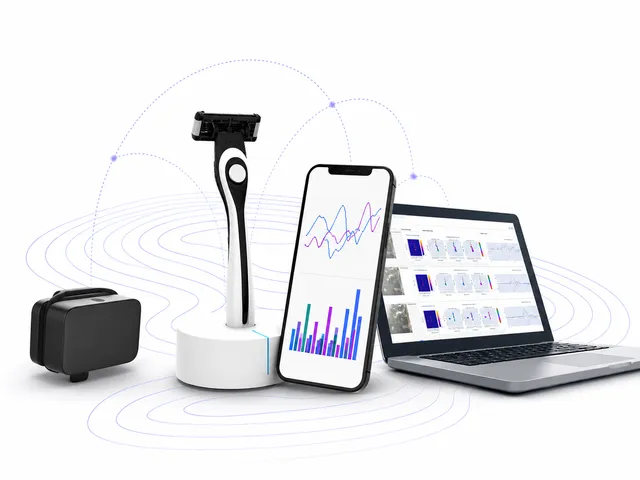
Effective asset management is crucial for businesses, particularly those dealing with physical goods, equipment, or technology. For companies utilizing GPS trackers and other IoT devices, a comprehensive asset management strategy can enhance operational efficiency, improve resource allocation, and reduce unnecessary costs. By employing real-time tracking solutions, organizations can monitor the status, location, and condition of their assets, ensuring they are used optimally and mitigating the risks associated with loss or theft, including challenges addressed by anti-theft-gps-tracking.
Practical Context
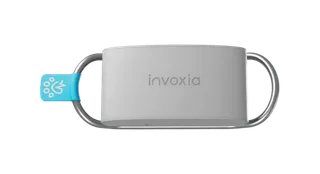
In the realm of pet monitoring, asset management extends to ensuring the health and safety of pets through the use of wearable technology. Devices equipped with GPS tracking capabilities provide pet owners with vital information regarding their pets' movements and well-being. By integrating these technologies into a broader asset management approach, pet owners can track their pets' activities, prevent loss, and improve overall care. This application of asset management not only benefits the pet owner but also enhances the services provided by pet care businesses, while also relating to activity-tracking.
Conclusion
Overall, effective asset management is essential in today’s tech-driven world. By leveraging tools like GPS trackers and IoT devices, businesses and individuals can optimize their operations and ensure higher levels of accountability over their assets. As asset management continues to evolve with technological advancements, it remains a critical component for maximizing value and ensuring longevity in both business and personal contexts.