










Lost asset prevention
Definition
Lost asset prevention refers to the strategies and technologies implemented to safeguard valuable items from being lost or stolen. This involves the use of tracking systems, monitoring devices, and operational best practices designed to mitigate risks associated with asset loss in various environments, including personal, commercial, and industrial settings.
Importance
The significance of lost asset prevention has grown in an increasingly mobile and digital world. As assets—such as equipment, vehicles, pets, or sensitive documents—become more dispersed, the potential for loss or theft increases. Effective lost asset prevention can lead to substantial cost savings, enhanced operational efficiency, and improved peace of mind for individuals and businesses alike.
GPS Tracking Solutions
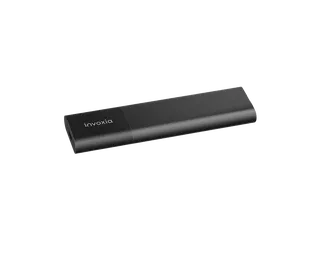
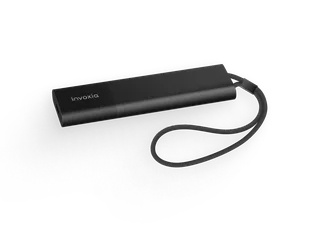
One of the most effective means of lost asset prevention is the deployment of GPS tracking devices. These small, lightweight devices can be attached to items ranging from vehicles to personal belongings. GPS trackers provide real-time location data, enabling users to quickly locate their assets if they are misplaced or stolen. This is especially beneficial in contexts such as fleet management, where businesses can monitor the location of vehicles and equipment to optimize logistics and reduce losses.
IoT Integration
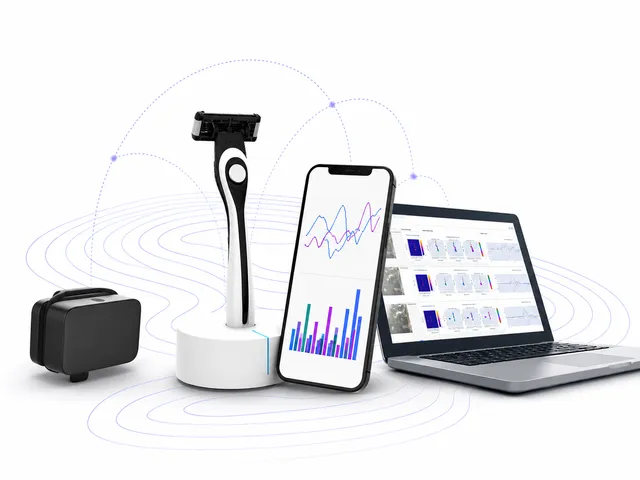
The Internet of Things (IoT) has transformed lost asset prevention by allowing devices to communicate and share data seamlessly. IoT-enabled devices, such as smart tags or sensors, can send alerts when assets move outside designated parameters, helping users take immediate action. For instance, pet health monitors integrated with GPS technology allow pet owners to track their pets' whereabouts, ensuring their safety and preventing them from getting lost.
Best Practices
To enhance lost asset prevention efforts, individuals and organizations can adopt several best practices:
- Regular Audits: Conduct frequent inventories and audits of assets to identify discrepancies quickly.
- Employee Training: Educate staff on best practices in asset management to foster a culture of responsibility.
- Technology Utilization: Invest in advanced tracking technologies, such as GPS and IoT systems, to enhance visibility and control over assets.
By employing a comprehensive approach to lost asset prevention, both personal and organizational assets can be protected more effectively, leading to greater security and reduced financial loss.