




LPWAN Connectivity
LPWAN connectivity, or Low Power Wide Area Network connectivity, refers to a group of wireless technologies designed to connect low-power devices over long distances with minimal energy consumption. This technology is particularly vital for applications in the fields of Internet of Things (IoT), GPS tracking, and pet health monitoring.
Overview of LPWAN Technologies
LPWAN encompasses various protocols, including LoRaWAN, Sigfox, and NB-IoT. These technologies are optimized for long-range communication, typically ranging from 2 to 20 kilometers in urban settings and even more in rural areas. LPWAN is designed to transmit small amounts of data infrequently, making it ideal for devices that require longer battery life and may not need constant data updates.
Key Features
- Low Power Consumption: Devices utilizing LPWAN can operate for years on small batteries, making them perfect for remote and hard-to-reach locations where frequent battery replacement is impractical.
- Wide Coverage: LPWAN networks can cover large geographical areas, making them suitable for tracking assets, pets, and vehicles across cities and rural landscapes alike.
- Cost-Effective: The infrastructure for LPWAN is generally less expensive to deploy than traditional cellular networks, which allows for greater scalability and accessibility in various applications.
Applications in GPS Tracking and IoT
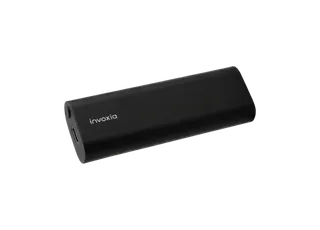
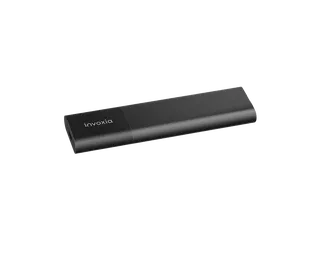
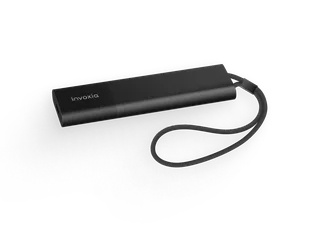
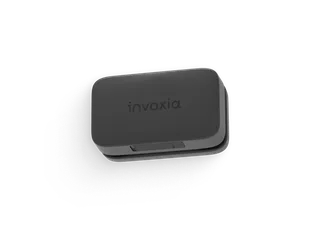
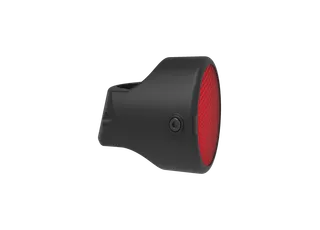
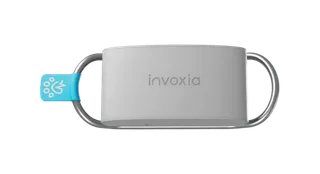
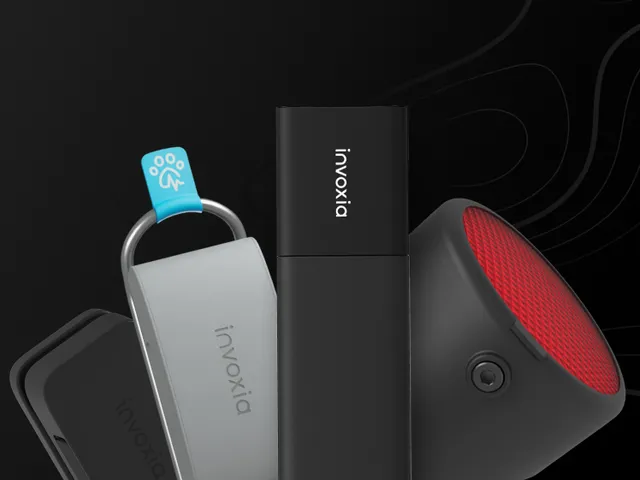
LPWAN connectivity is particularly significant for GPS tracking systems, which require reliable communication with minimal energy use. For instance, battery-powered GPS trackers designed for pets can send location data without draining their power quickly. This is essential for pet owners who want peace of mind while ensuring their pets remain safe.
Additionally, LPWAN is beneficial for environmental monitoring devices, such as sensors that track temperature and humidity in remote areas, which can send critical updates without requiring regular maintenance.
Conclusion
In conclusion, LPWAN connectivity emerges as a game-changer in the world of IoT, providing a cost-efficient and energy-saving solution for a wide range of applications, including GPS tracking and pet health monitoring. Its ability to connect devices over long distances while conserving battery life makes it a pivotal technology for the future of connected devices.