




Machine-to-Machine (M2M) communication
Definition
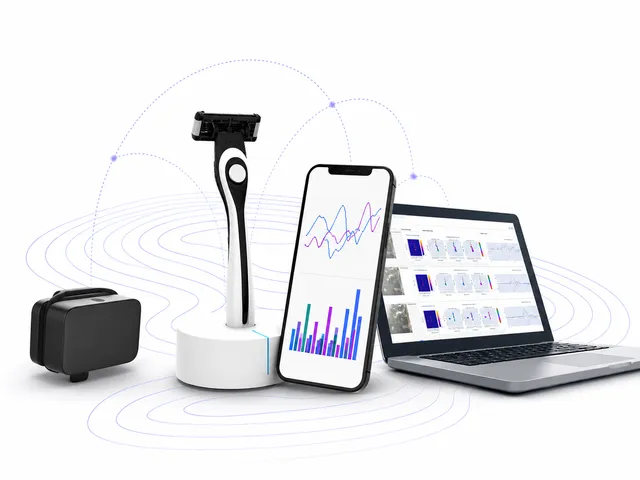
Machine-to-Machine (M2M) communication refers to the direct exchange of data between devices without human intervention. This technology enables devices to send and receive information over networks, facilitating automation and improved efficiency in various applications. M2M communication lies at the core of the Internet of Things (IoT), where interconnected devices collaborate to perform tasks, gather data, and make decisions in real time.
Applications in GPS Tracking
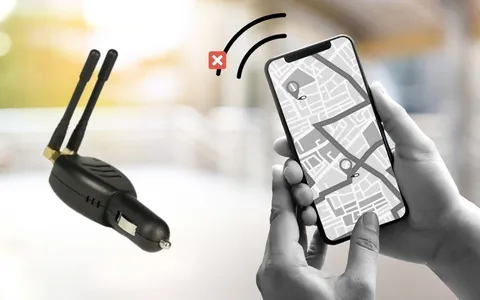
In the realm of GPS tracking, M2M communication is pivotal for ensuring accurate location data transmission. For instance, GPS trackers embedded in vehicles or personal belongings utilize M2M technology to send location updates to cloud-based servers. This process allows users to monitor their assets' positions remotely via mobile apps or web browsers. As a result, individuals and businesses can track stolen goods, manage fleet logistics, and optimize routes, thereby enhancing operational efficiency.
Real-time Data Transfer
The advantage of M2M communication in GPS tracking is real-time data transfer. Whenever a GPS tracker moves beyond a designated area or experiences significant changes in speed, it can instantly relay that information, allowing users to act swiftly in emergencies. This real-time monitoring can be crucial in minimizing theft losses or managing pet safety through the use of connected devices.
Impact on Pet Health Monitoring
M2M communication also plays a vital role in pet health monitoring systems. For example, IoT-enabled collars equipped with various sensors can track a pet's activity levels, heart rate, and even location. These devices use M2M communication to transmit data to pet owners, providing insights into their animals' health and wellbeing. This monitoring often relies on technologies such as low-power-wide-area-networks (LPWAN) that facilitate communication over long distances without frequent battery replacements.
Enhanced Monitoring Capabilities
By automating data sharing, pet owners can receive alerts for abnormal behaviors or health indicators without needing to interact with the devices actively. This proactive approach helps owners maintain a close watch on their pets' health while ensuring timely responses to potential issues.
In conclusion, M2M communication acts as a fundamental enabler of efficient data sharing between devices, especially in applications related to GPS tracking and pet health monitoring. Its capacity for real-time data transmission not only enhances safety and operational efficiency but also contributes to improved health management for pets.