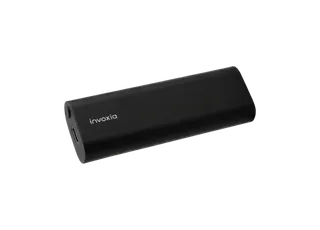
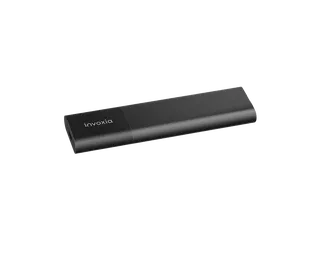
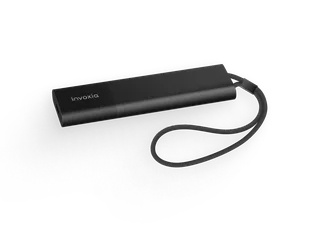
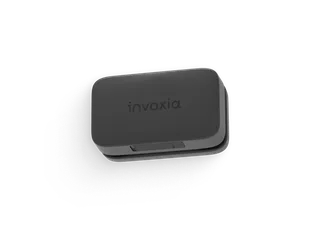





Smart Sensors
Definition
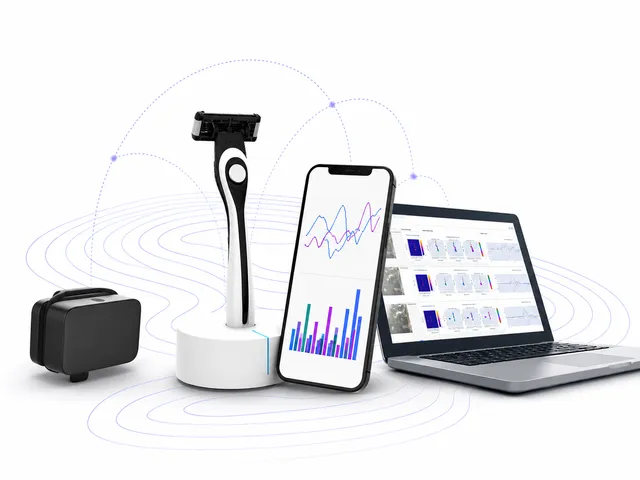
Smart sensors are advanced devices that can collect, process, and transmit data in real time, providing valuable insights for a variety of applications. These sensors leverage cutting-edge technology, including artificial intelligence (AI) and the Internet of Things (IoT), to monitor environmental conditions, detect movements, and communicate information. They play a vital role in enhancing the functionality of GPS trackers, IoT devices, and health monitors, enabling smarter and more efficient ways to gather and analyze data.
Applications in GPS Tracking
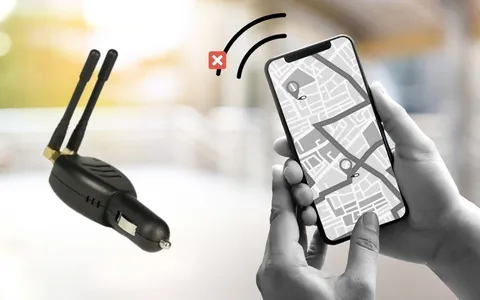
Smart sensors are integral to GPS tracking systems, particularly in monitoring vehicle movements or assets. These sensors can detect various parameters such as speed, direction, and location, allowing users to receive real-time updates on their tracked items. Enhancements like geofencing, where alerts are triggered when tracked objects enter or exit predefined boundaries, utilize smart sensor technology. This capability is especially useful for fleet management, ensuring operational efficiency and security while minimizing downtime and loss of assets.
Role in IoT and Pet Health Monitoring
In the realm of the Internet of Things, smart sensors serve as the backbone for interconnected devices, enabling them to share data effortlessly. For instance, pet health monitors equipped with smart sensors can track a pet's activity levels, heart rate, and location, providing pet owners with essential health insights. This real-time data helps owners make informed decisions regarding their pets’ well-being and fosters timely interventions in case of health issues.
Benefits of Smart Sensors
The utilization of smart sensors results in numerous benefits, including:
- Increased Efficiency: Automating data collection and analysis processes reduces the manual effort required and leads to quicker decision-making.
- Enhanced Accuracy: Advanced sensing technology allows for precise data collection, reducing the likelihood of errors.
- Remote Monitoring: With the ability to transmit data over the internet, smart sensors enable remote monitoring of various applications, from vehicle tracking to pet health, ensuring pet owners or managers can stay informed even when they are away.
In summary, smart sensors represent a crucial component in the ecosystem of modern technology, providing enhanced functionality, connectivity, and insights across various fields, including GPS tracking, IoT, and pet monitoring. Additionally, they are often integrated with real-time location services (RTLS) to improve location accuracy and functionality.