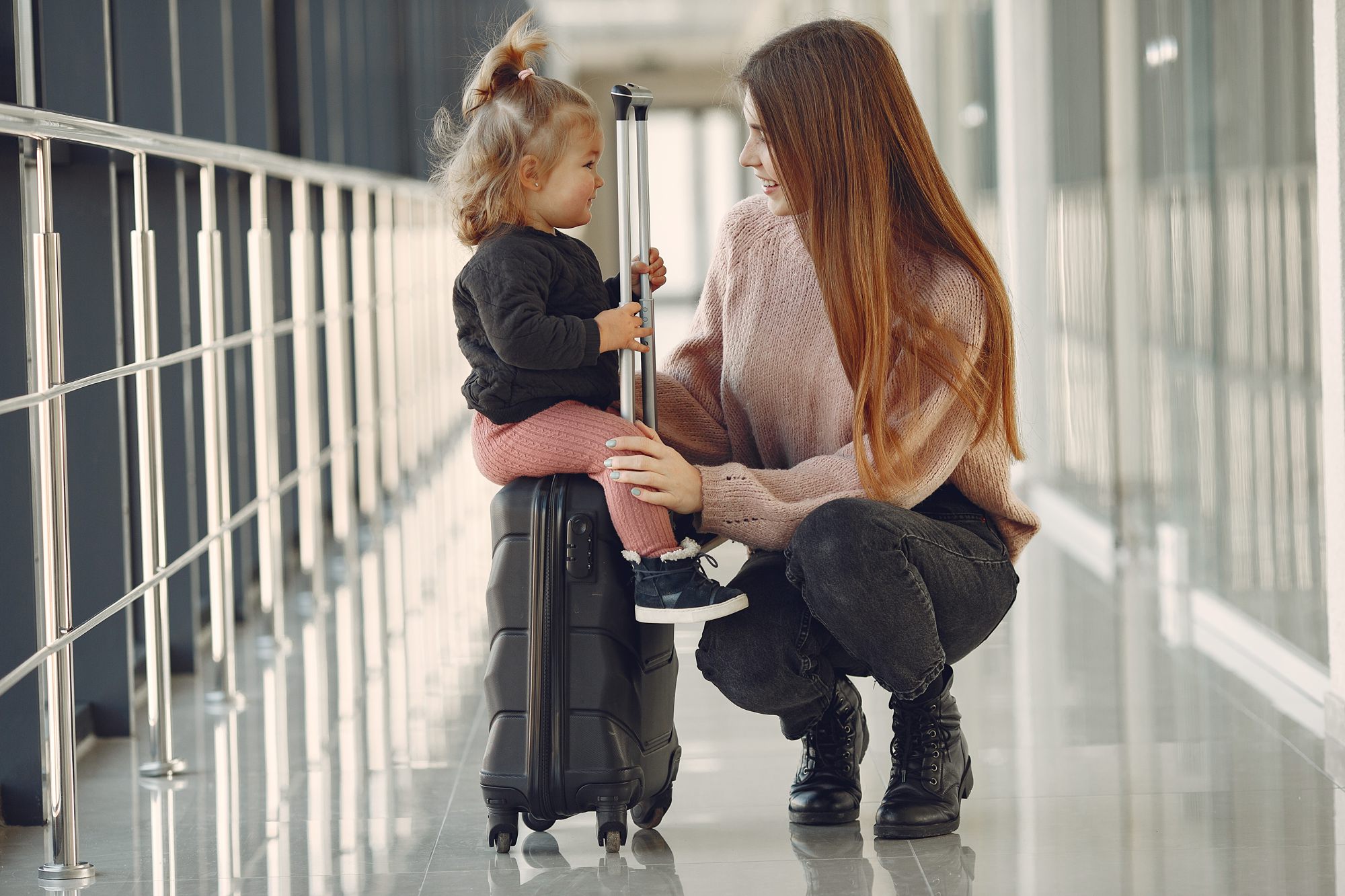
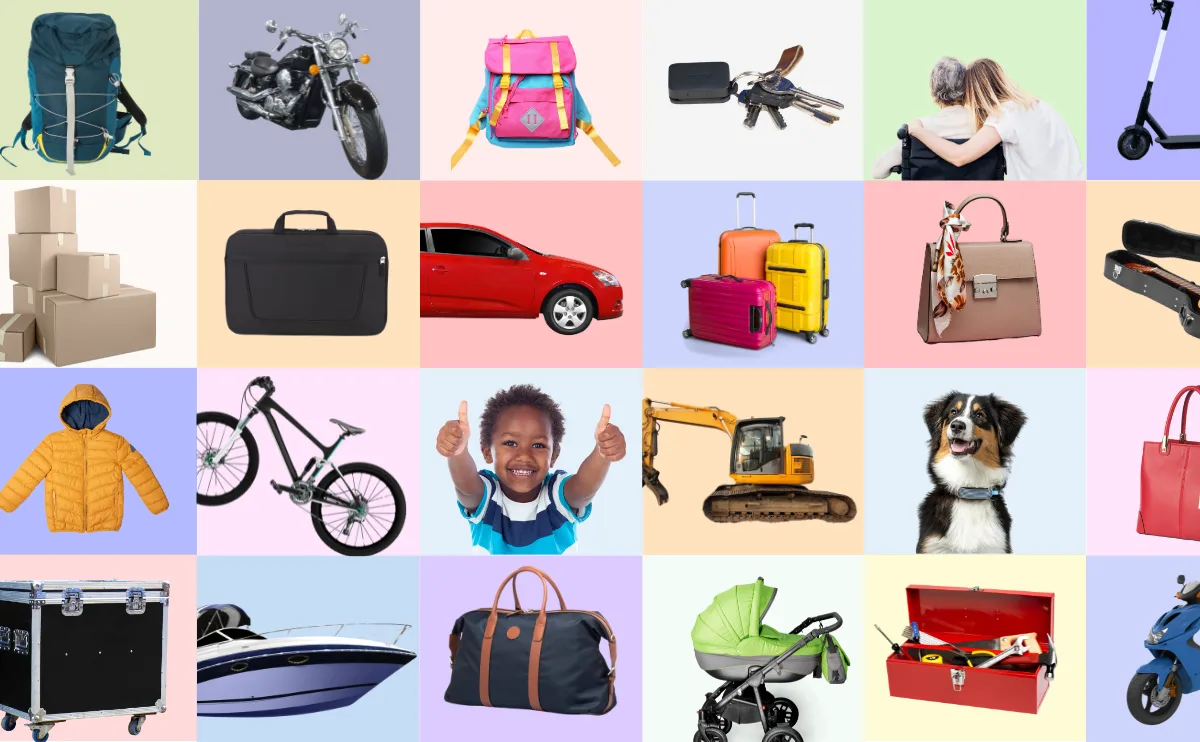
Personal GPS Tracker: a discreet way to stay connected to a loved one
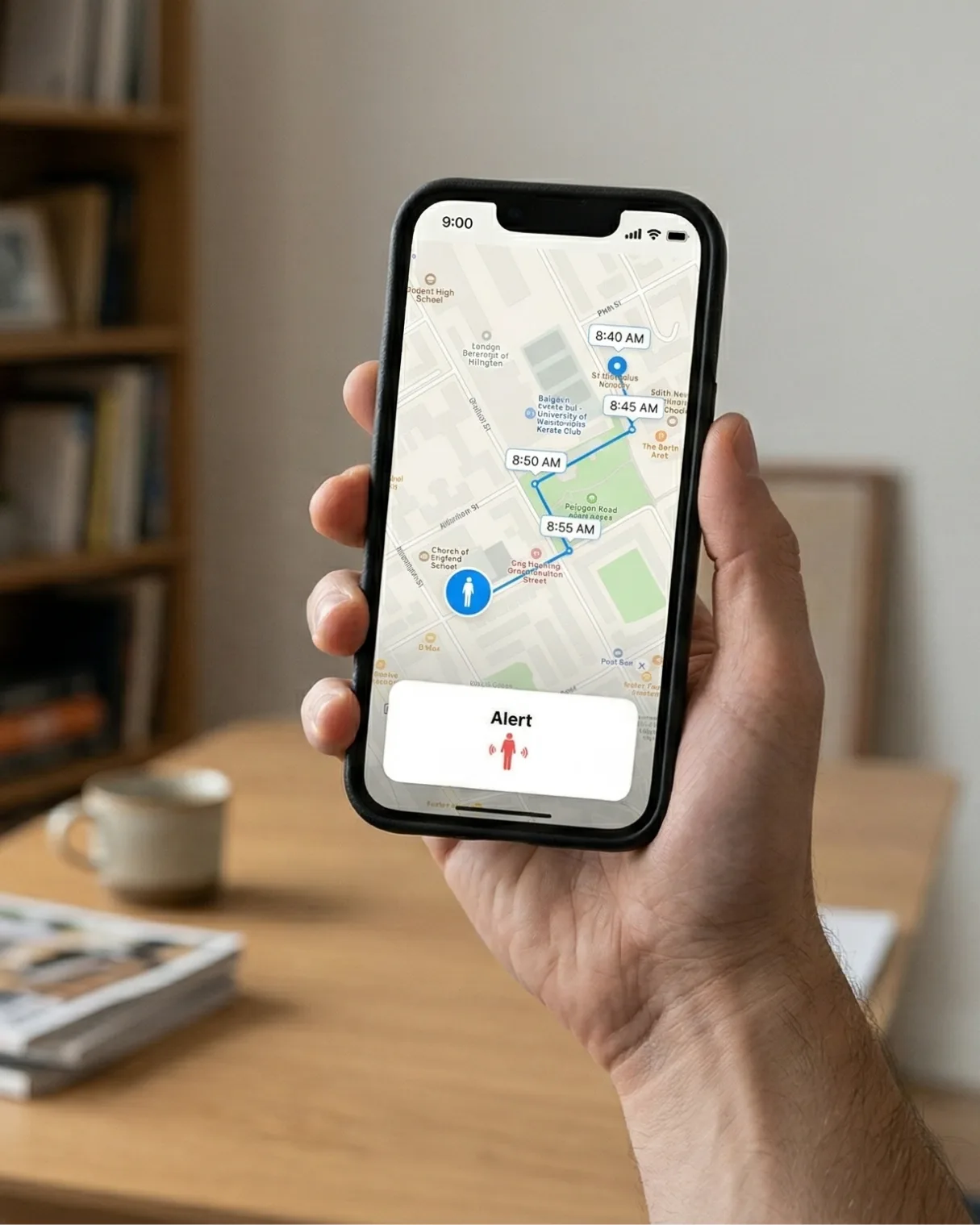
A personal GPS tracker helps you follow a loved one's movements, check their last known location and receive useful alerts in case of movement or when they leave a defined area. For a child, a senior, an independent teenager or someone who often travels alone, it is a simple way to gain peace of mind every day, provided it is used transparently and with the person's consent.
4.2/5 Overall rating
400,000+ Satisfied customers
#1 GPS tracker in Europe
When should you use a GPS tracker for a person?
Reassure a loved one every day
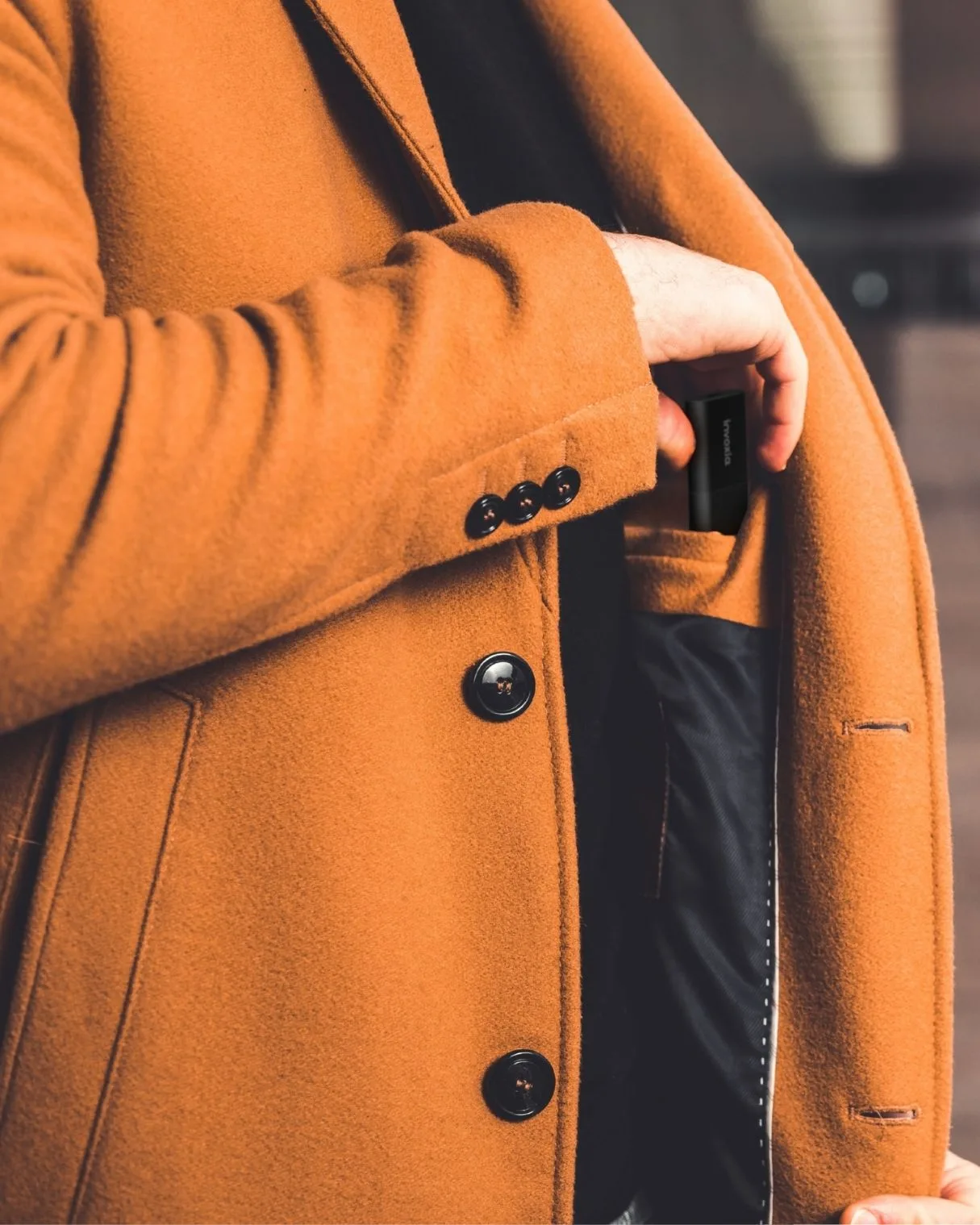
A GPS tracker for a person is especially useful when a loved one moves around alone and you want a simple point of reference in case something unexpected happens. Slipped into a coat pocket, a bag or a shoulder bag, it lets you check location, trip history and recent movements from the app.
Why choose an Invoxia personal GPS tracker?
A discreet format to slip into clothing or a bag
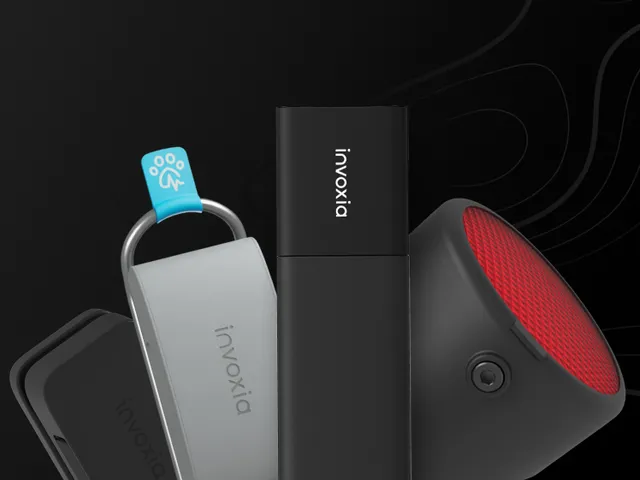
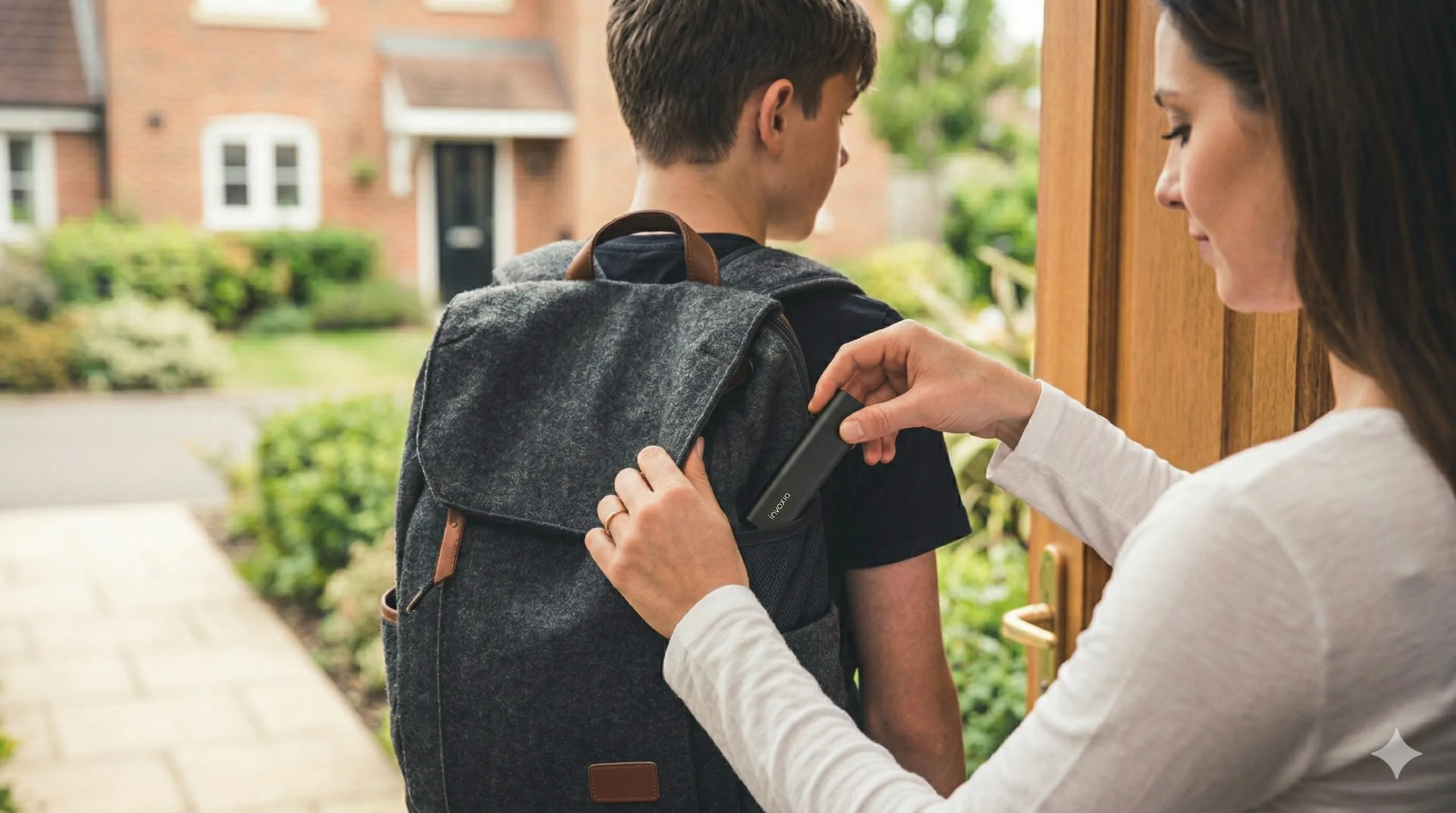
Invoxia trackers can be placed in a pocket, lining, school bag or handbag so they stay discreet in everyday life. This makes regular use easier without adding unnecessary constraints.
Useful alerts so you can react quickly
Motion detected, zone exit, recent trip history: you keep the important information at your fingertips from your smartphone so you can understand a situation and react quickly if needed.
Different networks depending on the coverage you need
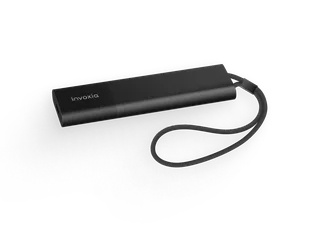
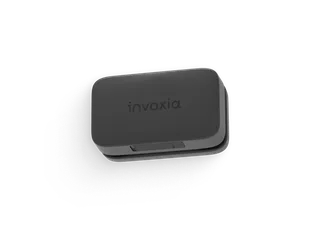
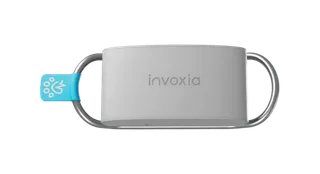
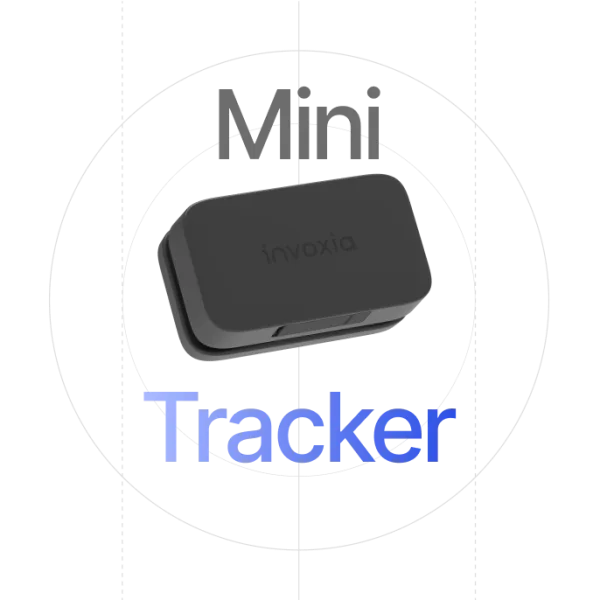
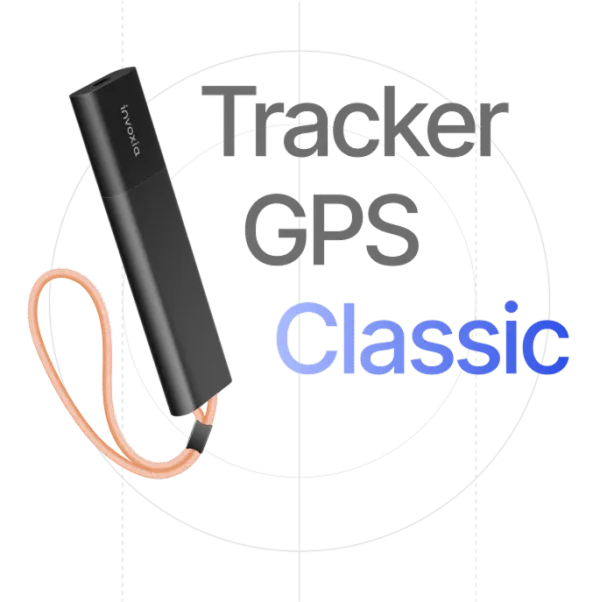
Depending on the model, Invoxia relies on Sigfox or LTE-M. You can therefore choose a compact tracker for national use with the GPS Tracker Classic or Mini Tracker, or a more advanced model if your needs include broader coverage.
A clear app to track and share location
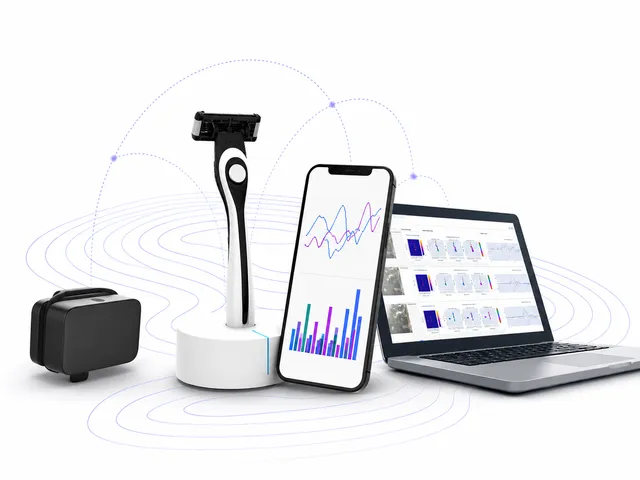
The app centralizes location, safety zones, history and temporary location sharing. You get a simple view of the situation without complex installation.
How does an Invoxia personal GPS tracker work?
An Invoxia personal GPS tracker works like a small autonomous beacon that you place in a personal item: pocket, school bag, backpack, handbag or jacket. Once paired with the app, it sends positions based on detected activity and lets you retrieve recent routes as well as the last available location.
Every day, you can define safety zones, review movement history and receive a notification when motion is detected or when an important perimeter is crossed. Some models focus on long battery life, while others offer wider coverage and more sustained tracking depending on the network used.
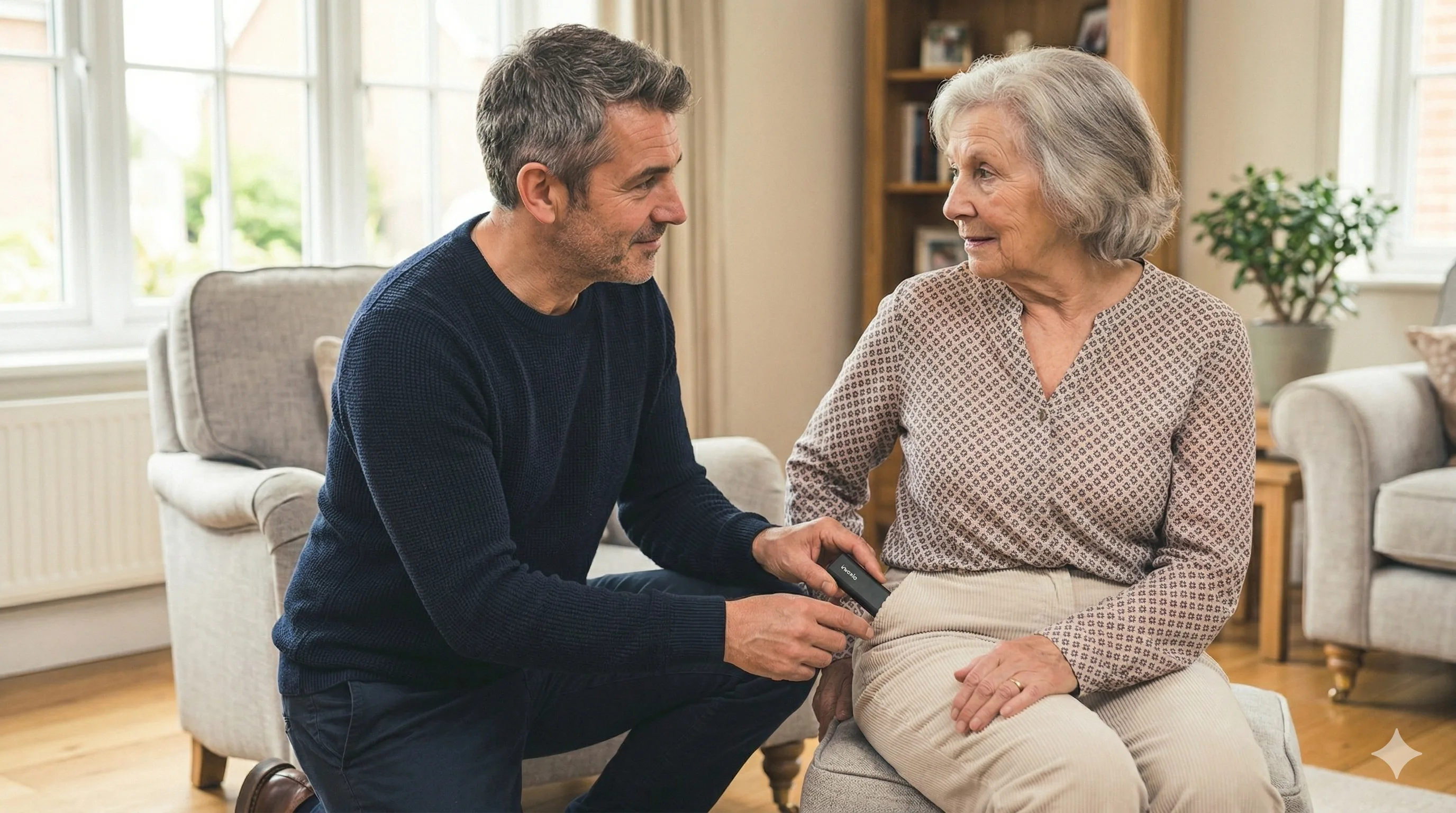
For child GPS tracker, senior GPS tracker or GPS tracker for a loved one use cases, the key point is choosing a format that fits real daily life: compact, discreet, easy to carry and adapted to the covered geographical area.
See the Mini Tracker
Which personal GPS tracker should you choose?
To choose the right GPS tracker for a person, start with your main use case:
- For a child, a teenager or a loved one who mostly moves locally: choose a compact and discreet format that is easy to slip into a bag or a piece of clothing, such as the Mini Tracker.
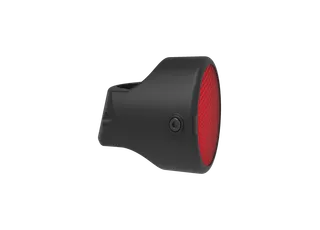
- For broader or more frequent travel: a model with wider coverage, such as the GPS Tracker Pro, will be more suitable.
- For comfortable battery life in a versatile format: the GPS Tracker Classic remains a strong option when carried in a bag or personal item.
The right criteria are discretion, battery life, type of alerts, network coverage and how easy the tracker is to carry every day. If you hesitate between several models, the best approach is to compare their size and coverage against the actual habits of the person concerned.
Compare GPS trackers
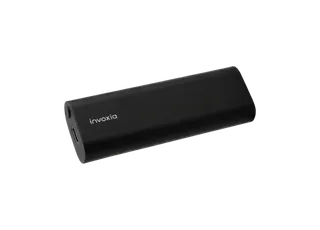
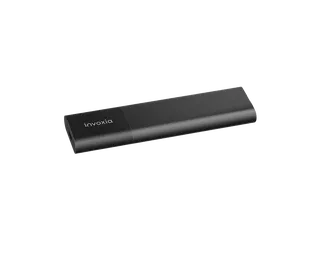
Discover the Invoxia GPS trackers suited to protecting a loved one

Compare formats, battery life and coverage to choose the GPS tracker best suited to personal, family or mobile use.
Invoxia GPS trackers praised around the world

They already protect a loved one with their Invoxia GPS tracker

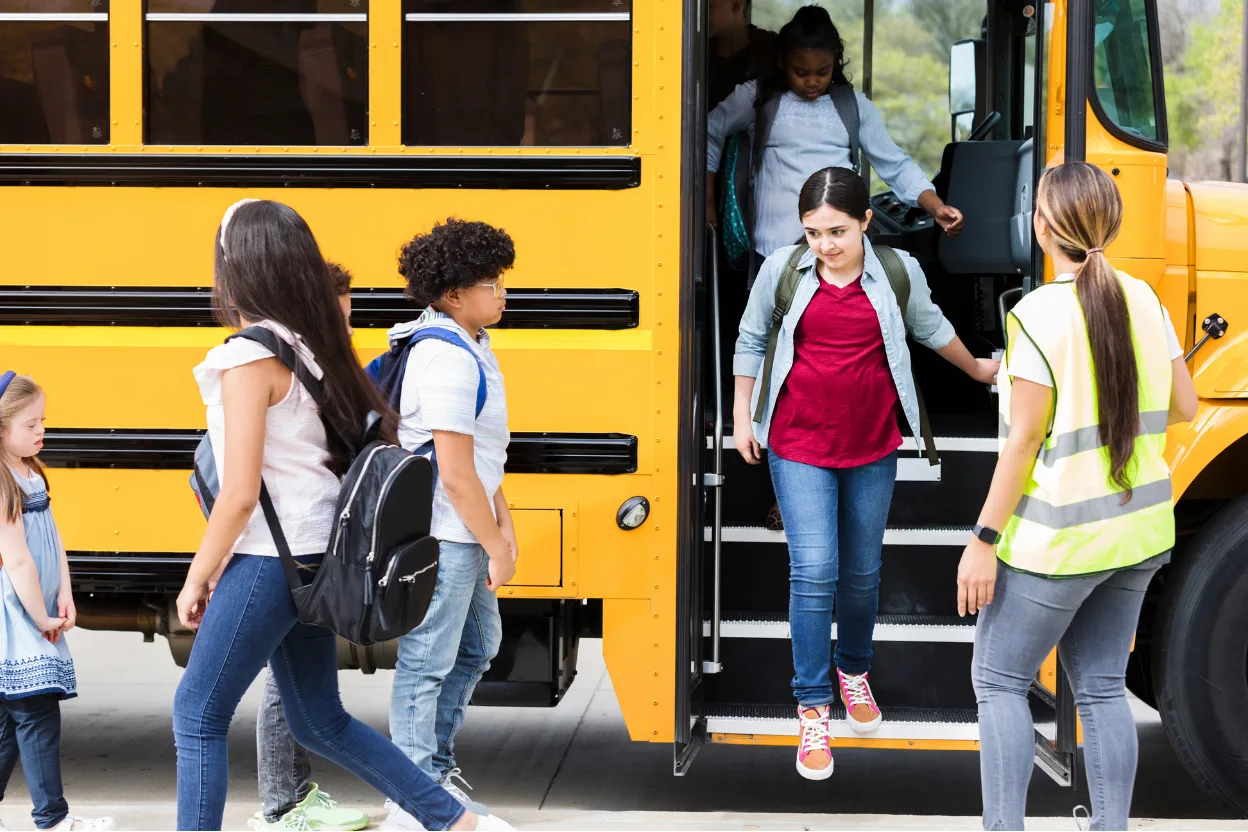
"My 8-year-old daughter was going on a school trip. With everything happening nowadays, I did not want to keep her from going while still keeping a layer of safety. I needed a tool I could really rely on, one that could show me the coach's movements live and send notifications in case of movement or stops so I could feel reassured. This device is amazing."
Faïza Gervais

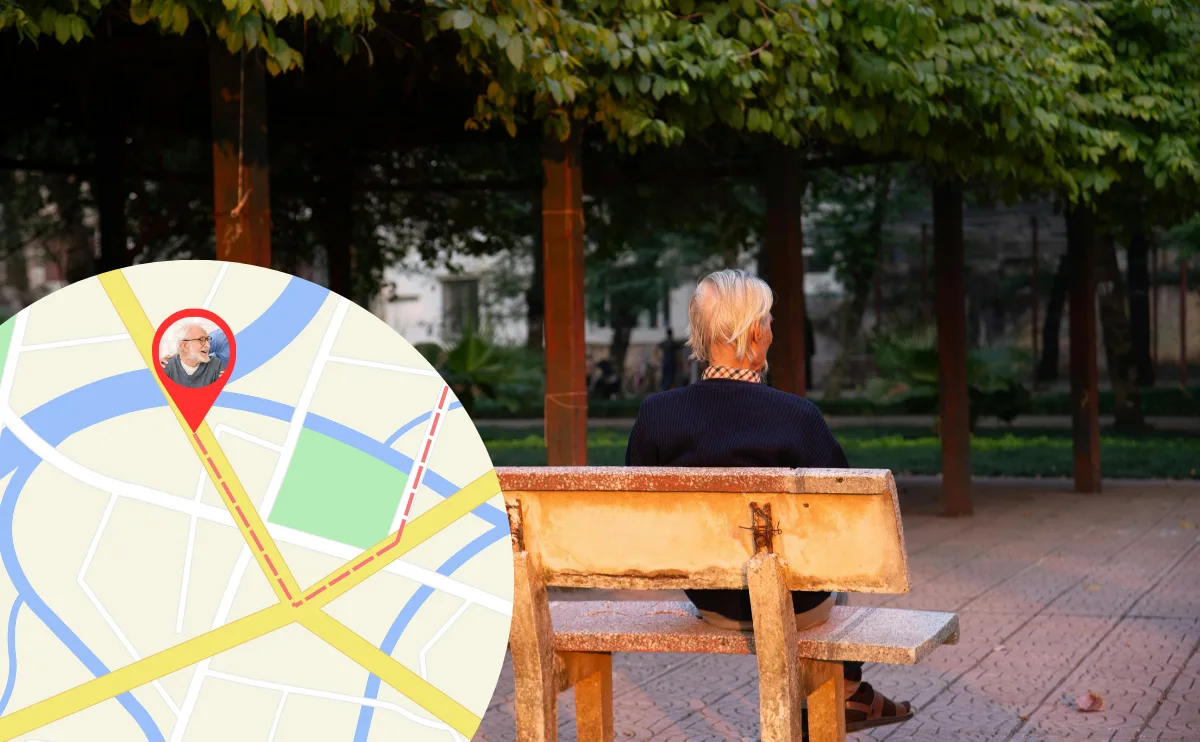
"I bought it to put in my husband's backpack. He has Parkinson's disease, would leave and get lost, and it has often helped me find him, including at the emergency room. Since then I bought a second one for the motorhome and my daughter has one too. With six months of battery life, it really brings peace of mind."
Rita

"I use this device to follow my elderly husband, who suffers falls. We live in the countryside and this tracker is extremely useful to tell me where he is when he is in difficulty. The best part is not having to recharge it frequently."
Jeanne Gros
Articles to explore further
Best GPS tracker for loved ones: complete comparison and guide in 2026
Top features to look for in a GPS tracker for your valuables and loved ones

GPS chip: the complete guide to protecting what matters most
Autism and safety: a father's story after choosing Invoxia for his son
Frequently asked questions about personal GPS trackers

You can also visit our support page and get help with any product.
Contact us
Yes, provided privacy and the applicable legal framework are respected. Tracking an adult generally requires their consent except in specific situations provided by law. For a minor child, use should remain proportionate, transparent and focused on safety.
Yes. A GPS tracker can help follow a child or teenager during everyday trips such as school, home or activities. The key is choosing a discreet format that is easy to carry and explaining its purpose clearly depending on the child's age.
It depends on the need. For someone who usually carries a bag, jacket or coat, a compact autonomous tracker may be enough. If the area covered needs to be broader or the tracking needs to be more sustained, a model such as the GPS Tracker Pro may be more appropriate.
In practice, the tracker is usually slipped into a bag, school bag, inside pocket, jacket or coat. The goal is to balance discretion, comfort and signal quality while avoiding environments that are too metallic whenever possible.
Not in the sense of a continuous second-by-second feed. Invoxia trackers send positions at smart intervals, with alerts and history available in the app. Depending on the model, tracking frequency can be more or less sustained.

Yes. The network connectivity required to send positions and alerts generally relies on a subscription. Depending on the Invoxia model, it may be included for a certain period when you buy the tracker and then renewed.
Battery life depends on the model, the network used, the number of alerts and the frequency of position updates. Invoxia trackers are designed to deliver long battery life and limit frequent recharging in everyday use.

Yes. You can create safety zones such as home, school, a relative's house or an activity location. The app will then alert you when an entry or exit is detected.

A Bluetooth tag depends on nearby devices to relay its location, whereas a connected GPS tracker uses a dedicated network to send locations and alerts remotely. To follow a loved one when you are not physically nearby, a GPS tracker is therefore much more suitable.
The best choice mainly depends on the context: maximum discretion, battery life, network coverage or tracking frequency. For everyday use in a bag or piece of clothing, the Mini Tracker is often the simplest option. For wider travel, the GPS Tracker Pro is more relevant. If you are unsure, compare the different models against the real habits of the person concerned.