





Wearable Devices
Definition
Wearable devices are technology-enabled gadgets that can be worn on the body, incorporating sensors and software to collect and analyze data about user activities, health metrics, and environmental interactions. These devices are often designed for comfort and convenience, seamlessly integrating into the daily lives of users.
Types of Wearable Devices
Fitness Trackers
Fitness trackers are among the most common types of wearable devices. They primarily monitor physical activities, such as steps taken, calories burned, and heart rate. Many fitness trackers are equipped with GPS technology, allowing users to track outdoor activities like running or cycling with precision. The data collected can help users set fitness goals, monitor progress, and improve overall health.
Smartwatches
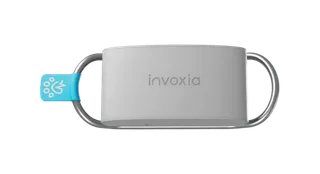
Smartwatches combine traditional timekeeping with advanced features like notifications, fitness tracking, and even mobile payments. Some models have built-in GPS, enabling location services without requiring a smartphone connection. This functionality is especially beneficial for outdoor enthusiasts and pet owners using GPS-enabled pet collars, allowing them to receive alerts and track their pets' whereabouts in real time. This is a key aspect of real-time-location-services-rtls.
Health Monitors
Health monitors are designed to provide insights into various health metrics, such as heart rate, blood pressure, and sleep quality. Devices like smart rings or advanced wristbands can play a crucial role in early health detection and management. For pet owners, wearable health monitors for pets can track vital signs and activity levels, helping to ensure that furry companions maintain a healthy lifestyle.
Practical Applications
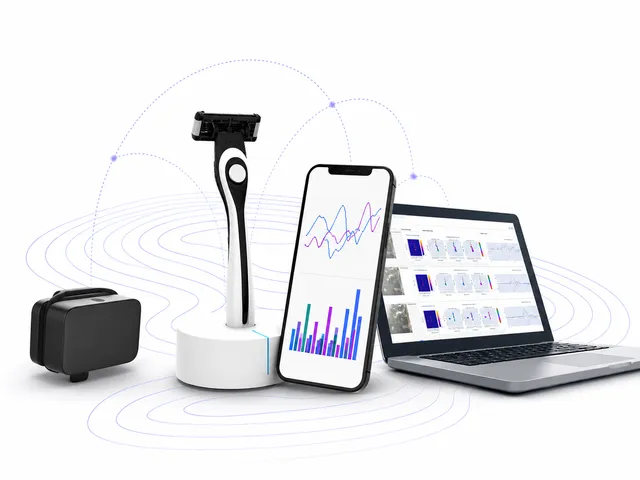
Wearable devices have revolutionized the way individuals track and enhance their lifestyle choices. In the realm of GPS tracking, wearables empower users to monitor their activities and environment, offering peace of mind whether tracking fitness progress or keeping tabs on pets. The integration of IoT technology in wearables allows for seamless connectivity with other smart devices, enhancing the overall user experience. Coupled with advancements in smart-sensors, these devices can provide even more accurate data and insights.
In conclusion, wearable devices represent a growing category of technology that blends functionality with portability. Their applications in fitness, health monitoring, and GPS tracking underscore their role in advancing personal well-being and safety.