







Pulmonary oedemain dogs
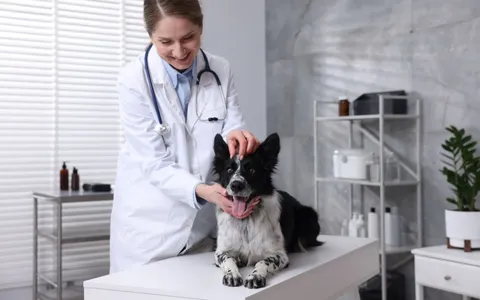
Pulmonary oedema is an abnormal build-up of fluid in the lungs. It makes breathing less effective: your dog breathes faster and may struggle to breathe. It is a veterinary emergency. In dogs, advanced heart disease is the most common cause. One sign that may herald it is faster breathing during sleep.





Biotracker:a tool for everyday monitoring
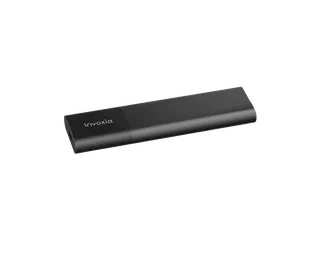
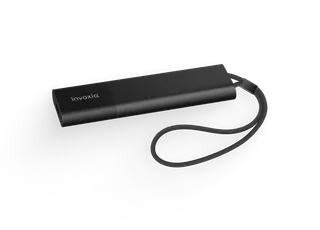
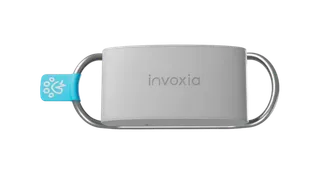
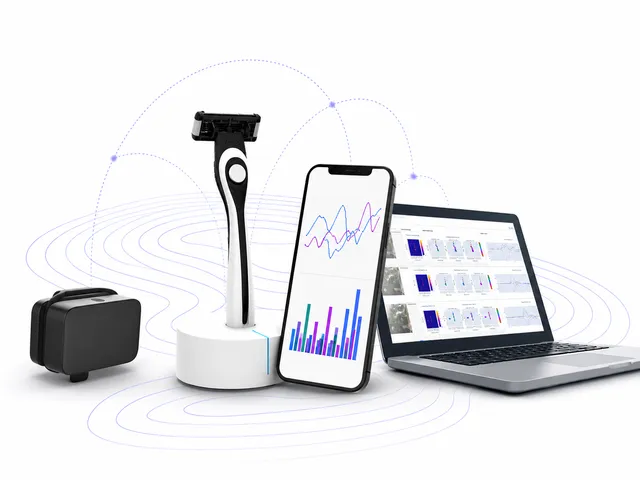
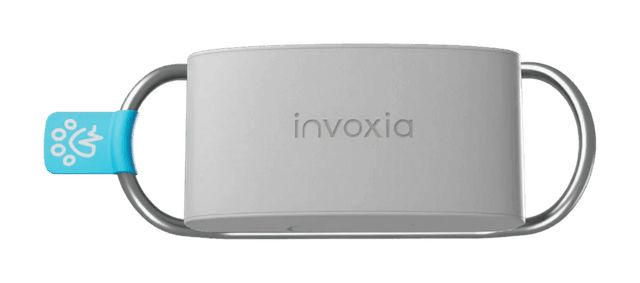
Biotracker measures your dog’s heart and breathing rates at rest and during sleep.
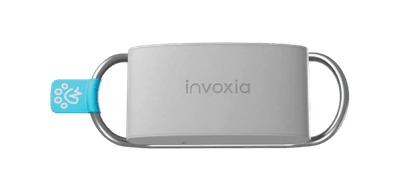
Biotracker
Daily heart monitoring
- Resting heart and respiratory rates
- Up to 15 days of battery life
- Trends over time, beyond a single reading
- Veterinary access through a Biotrack link
From
Discover
What everyday monitoringcan help you notice
Months may pass between appointments. Biotracker records this time so you do not have to rely on memory. The daily report is included in Plus and Max GPS plans.
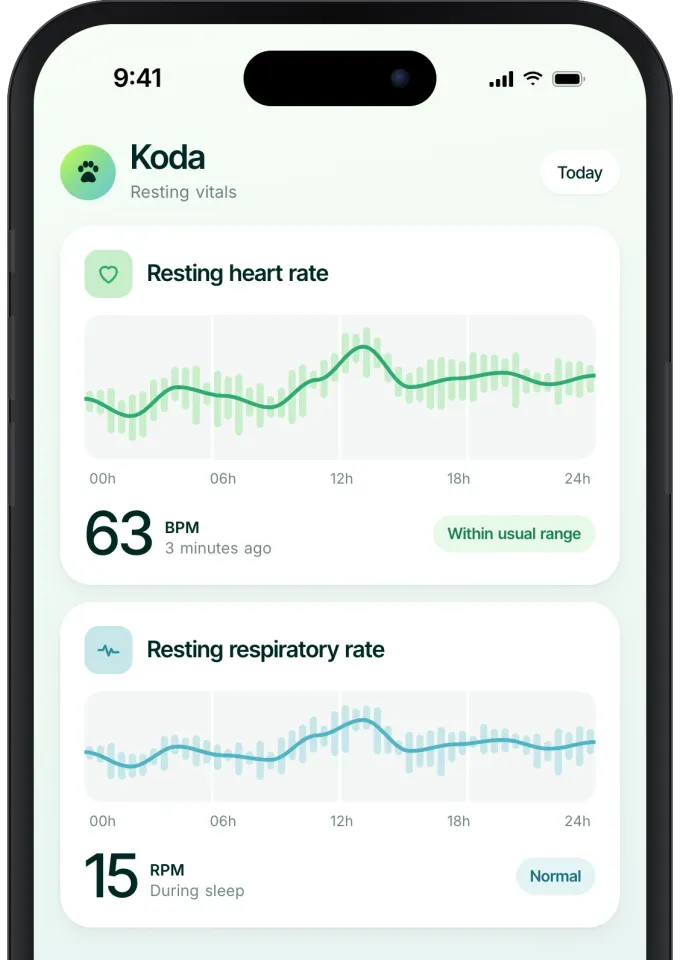
 Resting heart rate
Measured during sleep. Changes may help identify a risk of pulmonary oedema several months in advance*.
 Respiratory rate
Automatically measured during sleep.
 Individual baselines
Changes identified against their usual patterns.
 Veterinary follow-up
Send your vet a link: they can access the data on Biotrack without any prior equipment.
* In this individual case reported in the AI-Collar study with Prof Valérie Chetboul, resting heart rate increased progressively over the 120 days preceding the oedema. The algorithm identified the signal several weeks before symptoms. This lead time cannot be generalised to all dogs and does not constitute a diagnosis.
Breathing monitoringwith Biotracker
Readings during sleep
Biotracker records your dog’s respiratory and heart rates during rest, without waking them or asking them to stay still.
Individual baselines
Day by day, the readings establish what is normal for your dog.
Alerts for changes
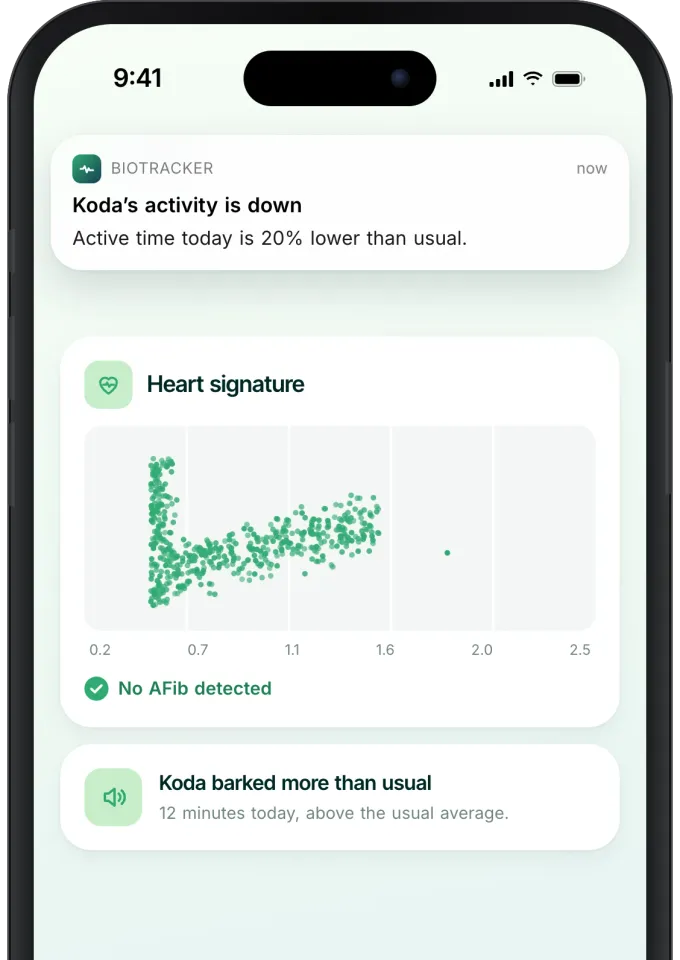
With Plus, also included in Max GPS, you are notified when readings show a sustained departure from your dog’s usual patterns.
Share with your vet
Share the history before an appointment to help your vet review treatment using recorded data.
Remote follow-up
Give your vet access to the data on Biotrack between appointments by sharing a link.
Symptomsthat need veterinary attention
Faster breathing at rest can be a subtle warning sign, particularly noticeable while your dog sleeps.
Seek emergency care if your dog struggles to breathe at rest, breathes with an open mouth for no apparent reason, has pale or bluish gums or tongue, or collapses. Go immediately to a vet or an emergency veterinary service.

Breathing · Fast or laboured
Rapid breathing, sometimes with an open mouth, even without exercise or heat; the abdomen working with each breath.

Breathing sounds · Coughing and wheezing
Coughing, wheezing or crackling sounds when breathing.

Behaviour · Restlessness and weakness
Unusual restlessness at rest, weakness or sudden tiredness.
What causes pulmonaryoedema in dogs?
Pulmonary oedema means fluid accumulating in the alveoli, the tiny air sacs where oxygen passes into the blood. This ‘fluid in the lungs’ interferes with oxygenation. When it develops suddenly, it is called acute pulmonary oedema. It is a consequence of another problem, which determines the treatment.
Most often, a heart-related cause
When the left side of the heart cannot move blood returning from the lungs effectively, pressure rises and fluid leaks into the alveoli. This is a sign of left-sided heart failure. Advanced mitral valve disease and dilated cardiomyopathy are the main causes; a congenital defect such as patent ductus arteriosus is a less common cause.
Causes unrelated to heart failure
Pulmonary blood vessels may leak fluid without heart failure. An airway obstruction such as laryngeal paralysis, electrical injury, seizures or head trauma can cause this.

Other possible triggers
Near-drowning, smoke inhalation, pneumonia, systemic infection or severe pancreatitis can also cause non-cardiogenic oedema. Identifying the cause matters because treatment differs.
Before or after a first episodeof pulmonary oedema
Before: establish a baseline
Does your dog have heart disease without symptoms? Monitoring establishes their usual breathing rate while they are well, helping you spot a sustained increase.
After: document treatment
Has your dog already had pulmonary oedema? Monitoring records resting breathing between check-ups and documents the effect of treatment for your vet. Learn more about mitral valve disease and its stages, dilated cardiomyopathy and heart murmurs in dogs.
“Biotracker helped us act quickly and adjust her treatment.”
An increase in her breathing rate prompted an emergency appointment. X-rays confirmed the oedema, and her treatment was adjusted.
Follow your cardiac patients between appointments
The owner sends you a link, giving you access to their dog’s data on the Biotrack platform between appointments. No prior equipment is required.
Breathing during sleep:which readings matter?
In a dog with heart disease, an increase from their usual breathing rate is an important indicator of decompensation, according to the ACVIM consensus. Cardiologists therefore recommend monitoring it at home.
Put the numbers in context
| Study population or condition | Respiratory rate |
|---|---|
| Mitral valve disease without symptoms, during sleep | Usually below 25/min, rarely above 30/min |
| Heart failure that is not stabilised | Most dogs exceed 40/min |
| Stabilised heart failure, during sleep | Median 20/min; a target below 30/min considered reasonable |
| 703 apparently healthy dogs in AI-COLLAR, at rest | Median 16.1/min |
These figures are not diagnostic thresholds. Your vet will tell you when to call about your own dog. Count for a minute during deep, quiet sleep, away from heat and active dreams: one breath is one inhalation and one exhalation.
Sources: VetCompass, Royal Veterinary College; The Veterinary Journal; AI-COLLAR, conducted with Prof Valérie Chetboul (ENVA).
FROM THE RESEARCH
“This early HR signal was detected by the algorithm several weeks before the onset of overt clinical signs.”
Dogsat greater risk
As pulmonary oedema is most often a consequence of heart disease, dogs predisposed to these conditions are more at risk.
Mitral valve disease, the leading cause of cardiogenic oedema, mainly affects dogs under 20 kg and becomes very common with age. According to the ACVIM, up to 85% of small dogs have a valve lesion by age 13. Cavalier King Charles Spaniels are predisposed from a young age. Cardiologists recommend annual screening for Cavaliers, Dachshunds and Miniature and Toy Poodles.
Dilated cardiomyopathy mainly affects large breeds, including Dobermans, Great Danes, Irish Wolfhounds and Newfoundlands.

Cavalier King Charles Spaniel: predisposed to mitral valve disease from a young age.
Dachshund: annual screening is recommended.
Annual screening is recommended.
The Doberman is predisposed to dilated cardiomyopathy.
A breed predisposed to dilated cardiomyopathy.
These large breeds are also affected by dilated cardiomyopathy.
Diagnosis and treatment:veterinary care
The priority is to ease breathing, then treat the underlying cause. Rest and a calm environment are part of care.
Stabilise breathing
If breathing is difficult, the vet first stabilises the dog. Emergency care includes oxygen.
Confirm the oedema
Chest X-rays help confirm fluid in the lungs.
Find the cause
An echocardiogram investigates a possible cardiac cause. Blood tests or an ECG often complete the assessment.
Treat the underlying problem
For heart-related oedema, a diuretic removes excess fluid, often alongside medication to support the heart. Otherwise, the vet treats the cause, such as pneumonia, an obstruction or the effects of electrical injury.
The outlook after pulmonary oedema depends on its cause and how quickly care begins. With prompt treatment, the oedema often resolves well. Heart disease needs lifelong treatment and check-ups, and the oedema may return. A sustained rise in sleeping breathing rate may suggest treatment needs reviewing. Only your vet can assess your dog’s prognosis.
Biotracker is a monitoring tool: it does not diagnose disease or replace a veterinary consultation. If breathing is difficult, do not wait for an alert. Read about tests and treatment in PetMD’s veterinary guide.
Your dog’s health,in one app.
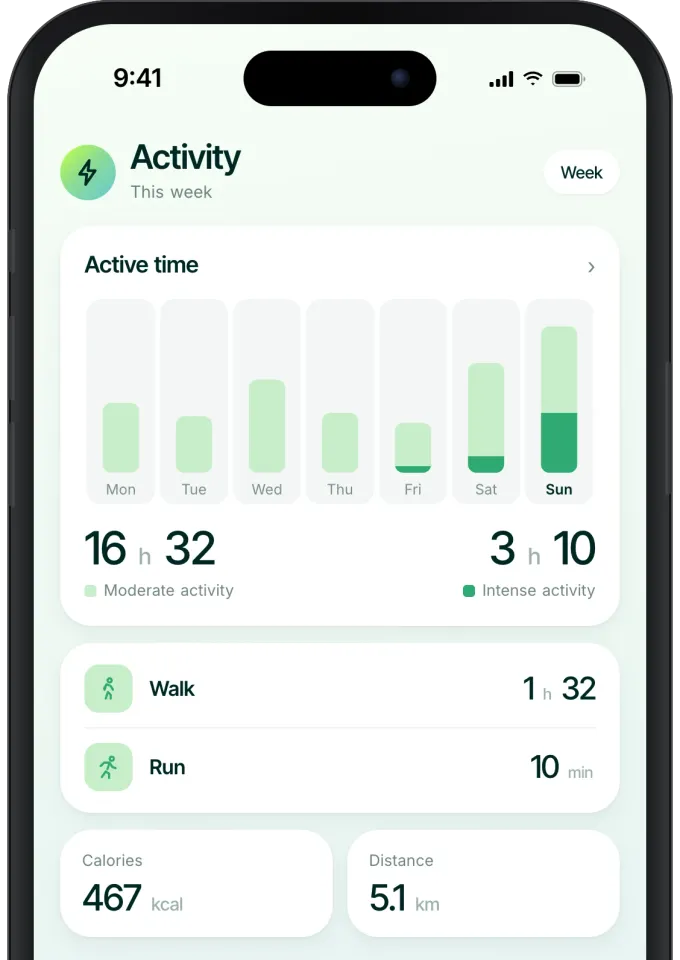
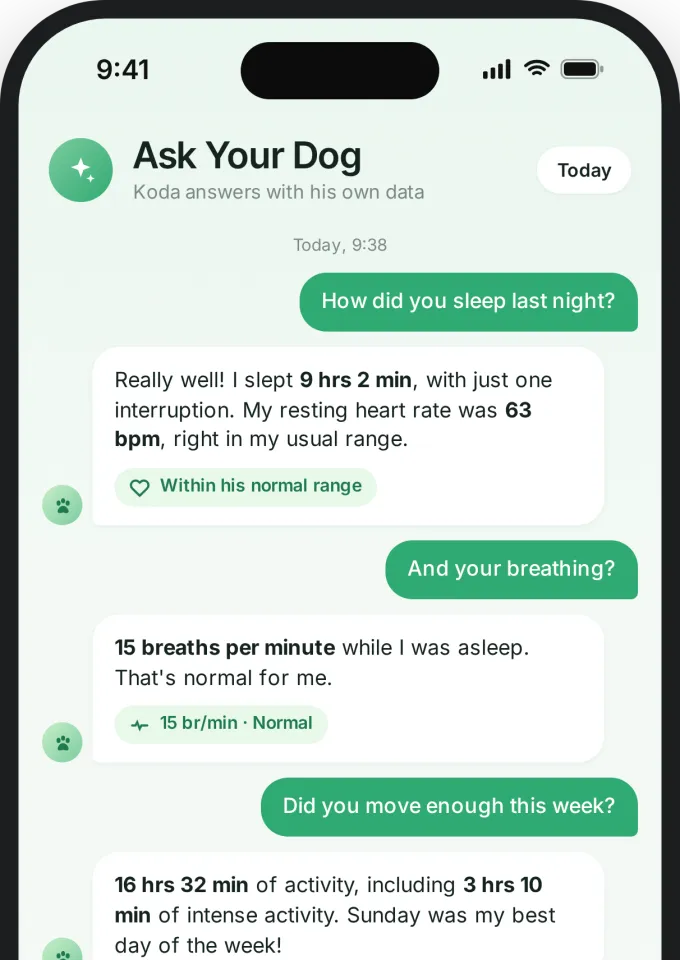
Resting vitals, activity, alerts and Ask Your Dog bring your dog’s monitoring together in the app. Health alerts and Ask Your Dog are available only with Plus and Max GPS plans.


Read more aboutyour dog’s heart and breathing

Émilie and Cracotte’s story
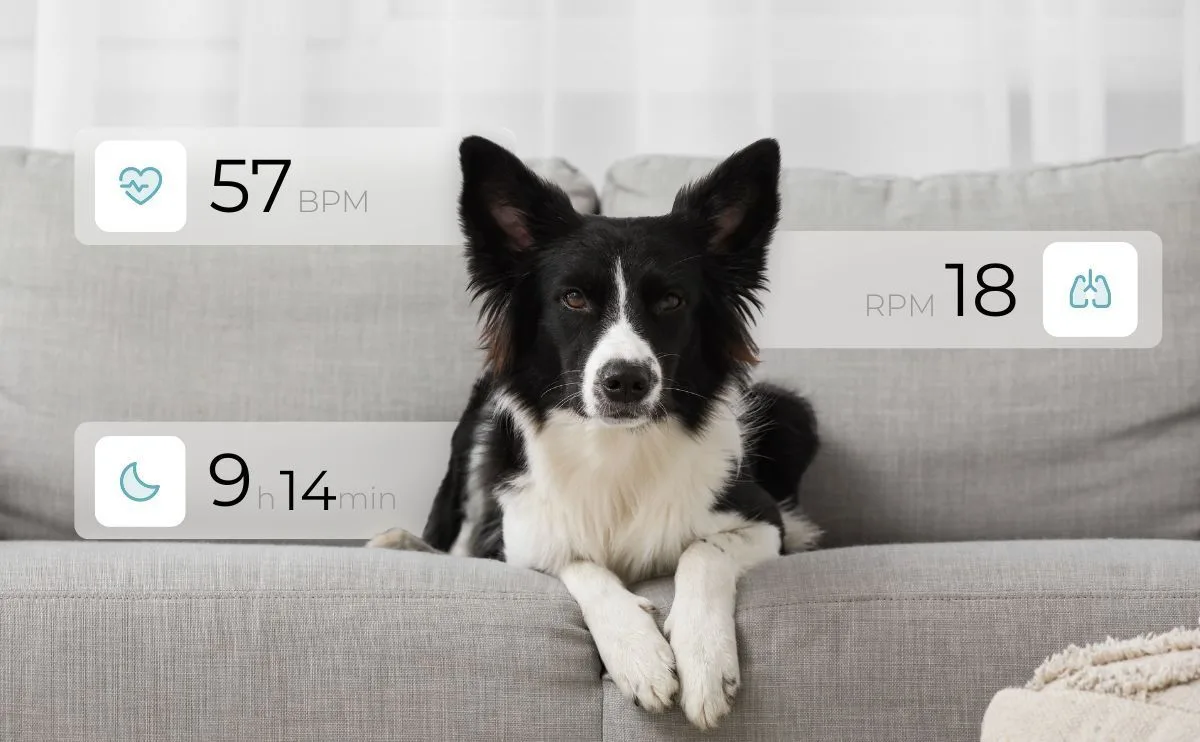
Your dog’s heart rate: new insights from Invoxia’s veterinary research
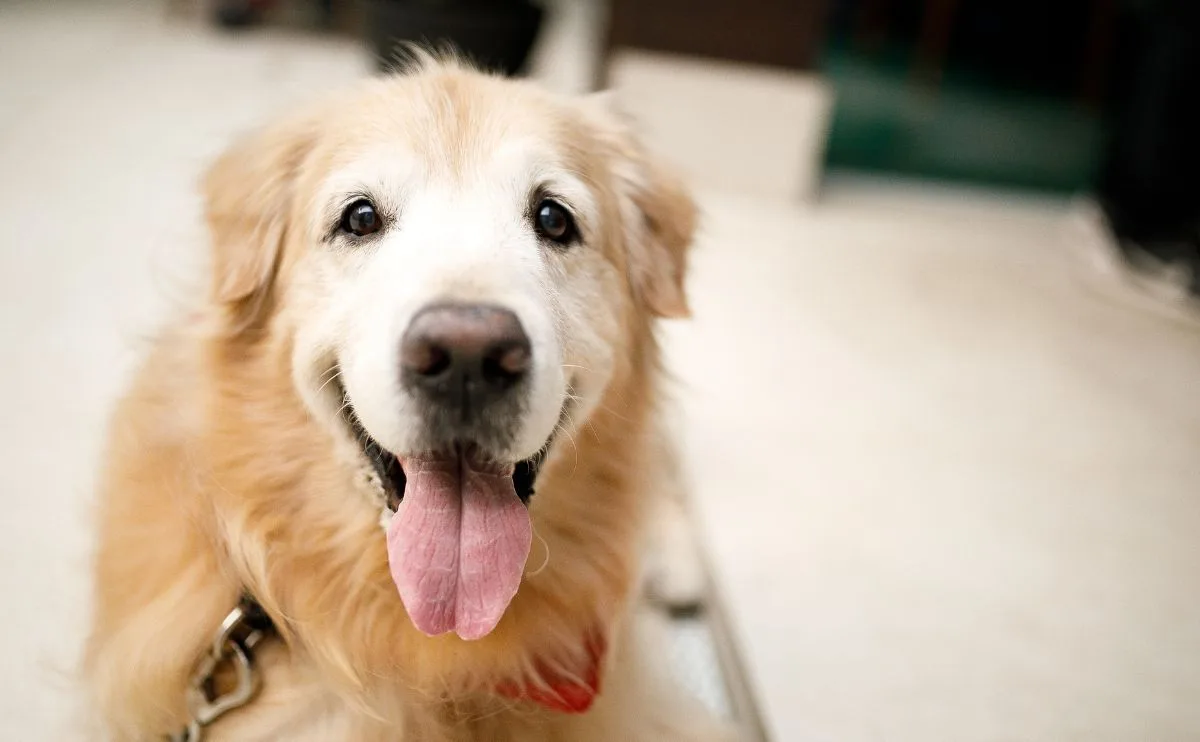
Monitoring heart health in senior dogs

Dobermans and dilated cardiomyopathy: screening to support timely care
Pulmonary oedema in dogs: frequently asked questions
Contact support
One early sign to watch for is faster breathing at rest, noticeable during sleep. Other signs include open-mouth breathing, abdominal effort, coughing and restlessness. Bluish gums or collapse require emergency veterinary care.
Yes. A dog struggling to breathe at rest needs immediate attention from a vet or emergency veterinary service.
Most often, advanced heart disease: mitral valve disease or dilated cardiomyopathy. Other causes include an airway obstruction, electrical injury, seizures, near-drowning or pneumonia.
In the healthy dogs studied, sleeping breathing rate stays below 30 breaths per minute. In dogs with mitral valve disease without symptoms, it is generally below 25 and rarely above 30. Every dog has their own baseline: changes from that pattern matter. Ask your vet which threshold applies to your dog.
While your dog is sleeping deeply, calmly and away from heat, count chest movements for one minute. One breath includes an inhalation and an exhalation. Avoid periods of active dreaming.
Yes, the oedema itself can be treated, particularly when care begins promptly. If heart disease is the cause, lifelong treatment is needed and oedema may recur, which makes regular follow-up important.
Yes, particularly when a cardiac condition causes heart failure to decompensate again. Monitoring sleeping respiratory rate helps you notice an increase early and discuss it with your vet.
Chest X-rays show fluid in the lungs. An echocardiogram investigates a cardiac cause, and blood tests or an ECG often complete the assessment.
Breeds predisposed to heart disease: older small dogs for mitral valve disease, including Cavaliers, Dachshunds and Miniature and Toy Poodles; large breeds such as Dobermans and Great Danes for dilated cardiomyopathy.
No. It measures resting respiratory and heart rates, activity and sleep, and flags departures from your dog’s usual patterns. Only a vet can diagnose pulmonary oedema.
A sustained change from your dog’s own readings, rather than a threshold shared by all dogs. Health alerts are included in Plus and Max GPS plans.
Follow your dog’s breathingwhile they sleep
Night after night, Biotracker records resting respiratory and heart rates and helps you notice changes from your dog’s usual patterns.